Wednesday, April 15, 2020

The Anti-Concurrent Causation Clause: Their Effects On Insurance Claims & How It Works

Many homeowners’ insurance policies have an anti-concurrent causation (ACC) clause. This single clause can play a crucial role in the insurance claims process.

For some homeowners, this simple clause has been the difference between a $100,000 payout and a $0 settlement.

Today, we’re explaining everything you need to know about the anti-concurrent causation clause, including how the clause works and what it means when you have an insurance claim.

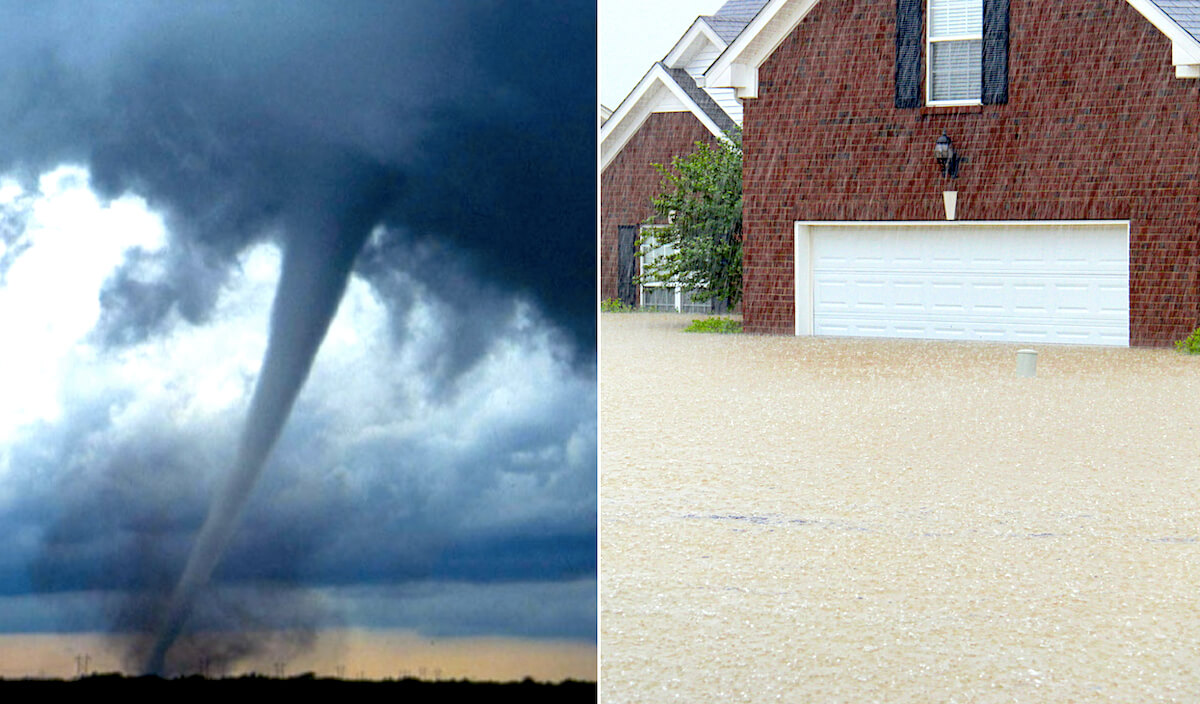
Concurrent Causation Tornado and Flood Damage

What is Concurrent Causation?

Concurrent causation is a method of handling losses or damages that occur from more than one cause.

If a windstorm and flood hit your home at the same time and cause damage, for example, then this is concurrent causation: the two events have damaged your property at roughly the same time.

In insurance, concurrent causation occurs when a property experiences a loss from two separate causes. Issues arise when one cause is covered by your insurance policy and the other is not. Your policy may cover windstorm damage but not flood damage, for example.

Depending on your situation, damages from both causes are likely to be covered if your insurance policy has a concurrent causation clause.

Damages will not be covered, however, if you have an anti-concurrent causation clause.

How Does Concurrent Causation Work For Insurance Claims?

A concurrent causation loss occurs when two separate things damaged your property at roughly the same time.

The two events may have occurred simultaneously. Or, they might have occurred one after the other.

Let’s say a tropical storm hits your home. Strong winds damage your roof, while heavy rains cause flooding throughout your neighborhood. Your front door is blown open by the strong winds, and flood waters leak into your home.

In this situation, it may not be possible to separate the damage caused by the flood from the damage caused by the tropical storm. It’s all mixed together.

However, your homeowners’ insurance policy covers damage from wind (like the tropical storm) but excludes damage from flooding.

With a concurrent causation clause, the insurance company will be required to pay damages to the policyholder – even though one type of loss was excluded.

Under anti-concurrent causation, the insurance company would not be required to pay any damages – even though one type of loss was covered.

Concurrent causation traces its history back to California courtrooms in the 1970s and '80s. These courts ruled that claims for damages from concurrent events were valid. If a covered hazard (a windstorm blowing open your door or tearing off your roof) increased the damage from an excluded risk (the flood damage), the entire loss would be claimable by the policyholder.

We’ve seen similar rulings with earthquake insurance claims. Most homeowners’ insurance policies do not cover earthquakes. However, if an earthquake shakes your home, destroys your foundation, and causes a gas line to break and start a fire, then your insurer may be required to cover these damages.

We also hear about anti-concurrent causation clauses every time a hurricane strikes the United States. Many homeowners have had their homes destroyed by hurricane-force winds (which should be covered), but their homes were also damaged by flooding (which is not covered). Because of anti-concurrent causation clauses, homeowners may not receive any compensation for their claims.

What is an Anti-Concurrent Causation Clause?

Today, most homeowners’ insurance policies contain anti-concurrent causation (ACC) provisions.

Anti-concurrent causation provisions arose because insurance companies disagreed with the rulings such as those from California that started in the 1970s and 80s. Insurance companies disliked the idea that they could be liable for more damages. It increased their costs and liabilities.

In response to these rulings in the 1980s, insurance companies gradually started adding anti-concurrent causation clauses to contracts.

The anti-concurrent causation clause excludes damage from covered perils even if a second, covered peril contributed to the damages. The exclusion also applies when two covered events happen at the same time or in a sequence.

Many insurance policies use anti-concurrent causation clauses to limit their liability in certain extreme situations. Many property insurance policies, for example, apply anti-concurrent causation language to specific exclusions like law and ordinance, earth movement, government action, nuclear hazards, utility services, water, flooding, or fungus and mold.

How Do Anti-Concurrent Causation Clauses Work?

An Anti-Concurrent Causation Clause in an insurance policy can have significant impacts when you have an insurance claim for property damage - it can cause an entire claim to be denied for coverage. A typical anti-concurrent causation clause contains language like this:

“The loss will be excluded whether or not any other cause or event contributes concurrently or in any sequence to the loss.”

The anti-concurrent causation clause is typically included as part of a small number of exclusions – including water damage, earthquakes (‘earth movement’), nuclear hazards, and other extreme exclusions.

Many homeowners’ insurance policies are “all-risk” or “open perils” policies, which means direct physical losses are covered unless excluded or limited. The insurance policy may cover all direct physical losses to your home except for losses caused by flooding or earthquakes, for example.

On all-risk policies, an insurance company may use an anti-concurrent causation provision to reduce its liability if you have an insurance claim.

Are Anti-Concurrent Causation Clauses Enforceable in All States?

The vast majority of jurisdictions enforce anti-concurrent causation language in property policies under the basis of freedom of contract: policyholders and insurers have entered a contract, and both parties have agreed to follow the terms of that contract.

ACC clauses have held up in court in some states but not others.

States That Do Not Enforce Anti-Concurrent Causation Clauses

Some states have determined that insurers cannot contract around the jurisdiction’s public policy interest in enforcing the proximate cause rule. Thus, anti-concurrent causation clauses are not valid in all states.

Specifically, four states have ruled that they will not enforce anti-concurrent causation clauses:

  • California
  • North Dakota
  • Washington
  • West Virginia

An insurance company may try to argue that it is not liable for damages because of the anti-concurrent causation clause in the policy.

A court may rule, meanwhile, that the covered peril was the proximate or predominant cause of the loss, in which case the damage should be covered.

In most states, the court will side with the insurer based on the principle of freedom of contract. In the four states above, however, courts will not enforce anti-causation clauses.

States that Have Validated ACC Clauses

In most other states, ACC clauses have been validated in court. Here are the states that have specifically validated anti-concurrent causation clauses:

  • Alabama
  • Alaska
  • Arizona
  • Colorado
  • Indiana
  • Louisiana
  • Massachusetts
  • Michigan
  • North Carolina
  • New Hampshire
  • Nevada
  • New Jersey
  • New York
  • Pennsylvania
  • South Carolina
  • South Dakota
  • Tennessee
  • Texas

However, even in states that have validated ACC clauses, there may be some disagreement with how the law is applied.

After Hurricane Katrina in Mississippi, for example, federal and state courts disagreed on how insurance companies would cover damages and deal with ACC provisions.

Federal courts argued that ACC clauses prevent coverage even when a covered peril (like the wind of the hurricane) contributed concurrently or in any sequence to cause the loss by an excluded peril (flooding). Mississippi state courts, meanwhile, found that ACC clauses were inapplicable where an excluded peril (flooding) followed a covered peril (wind damage) and combined to cause an indivisible loss.

Determining the ‘Proximate Cause’ of Your Damage

The best way to fight back against anti-concurrent causation clauses is to argue that the proximate (predominant) cause of your loss should be covered.

If your home is damaged by wind and mold after a storm, for example, then you would argue that most of the damage was caused by wind – not mold.

If the proximate cause of your loss is deemed to be mold – not wind – then your loss will be excluded and your claim will be denied.

If the proximate cause of your loss is deemed to be wind instead of mold, then your loss will be included and your claim should be approved.

For Help With Concurrent Causation Situations, Talk To A Public Adjuster

Anti-concurrent causation clauses are controversial. Insurance companies across the United States have attempted to use anti-concurrent causation clauses to deny coverage on insurance claims.

ACC clauses have been validated in some jurisdictions but not others. Additionally, ACC clauses may be applied in certain situations but not others.

Anti-concurrent causation clause situations can get complicated. If you feel your insurance company has wrongfully denied your claim by applying its ACC clause, or if you’re disappointed in the treatment by your insurance company, then it’s in your best interest to talk to a Public Adjuster.

Contact ClaimsMate today to setup a free consultation with an experienced Public Adjuster that can help in dealing with claims involving anti-concurrent causation clauses.

Originally Published Here: The Anti-Concurrent Causation Clause: Their Effects On Insurance Claims & How It Works

Tuesday, March 31, 2020

Public Adjusters in Cleveland

Insurance claims in Cleveland can be tricky. Insurers want to pay you as little as possible – and they may use sneaky tactics to get their way.

That’s why many Clevelanders are hiring a public adjuster. A good public adjuster helps you fight back against the insurance company. You can avoid the common tactics used by insurers to limit payout. That means more money in your pocket that you rightfully deserve.

When you buy insurance, you sign a contract with your insurance company. Unfortunately, many Cleveland insurance companies use hidden strategies to avoid abiding by that contract.

Many Cleveland policyholders have been shocked to receive a low initial settlement offer from the insurance company. Your insurance company may be offering you a fraction of what you rightfully feel owed.

Other insurance companies drag their feet. Some deny claims entirely. Some insurance companies demand excessive documentation and hope policyholders get frustrated.

That’s why our Cleveland public adjusters want to help. A good public adjuster forces your insurer to abide by the terms of that contract. You get every penny legally owed to you based on the terms of your insurance contract.

[jump_to_form location="a Cleveland"]

ClaimsMate Has Experienced Public Adjusters in Cleveland OH

ClaimsMate has licensed public adjusters in Cleveland, OH standing by to assist with your claim.

The state of Ohio requires public adjusters to be licensed. All public adjusters are licensed insurance industry professionals. When you hire an adjuster through ClaimsMate, you’re getting a qualified expert with a proven track record.

Our public adjusters have secured settlements for clients up to 270% higher than what was initially offered by the insurance company.

ClaimsMate in Cleveland Ohio

Public Adjusters in Cleveland

877-202-0204

Public Adjusters Cleveland

How Do Public Adjusters Help My Claim?

Public adjusters analyze your claim, check your insurance contract, then negotiate with the insurer on your behalf to maximize the settlement.

First, the public adjuster will check your claim, verify the damages, and analyze your documentation.
Then, the public adjuster checks your insurance contract to determine how much the insurance company should cover.

Finally, the public adjuster approaches your insurance company with a fair settlement offer. The adjuster will fight to ensure you receive every penny owed to you based on the terms of your insurance contract – nothing more or less.

When to Hire a Public Adjuster in Cleveland

Typically, you hire a public adjuster in Cleveland if the disputed amount is more than $10,000.

With higher disputed amounts, you have more to gain by hiring a public adjuster. Some people save hundreds of thousands of dollars by hiring a public adjuster. For many, it’s a lifechanging decision.

Public adjusters get paid on a contingency basis. That means you don’t pay the public adjuster upfront. Like certain lawyers, public adjusters only charge payment after a settlement is reached. Once you have agreed to the insurance company’s best offer, you pay your public adjuster a pre-arrange percentage of the final settlement.

Many of our Cleveland customers agree: the moment they hire a public adjuster, it feels like an enormous weight has been lifted from their shoulders.

Setup a Free Consultation with a Public Adjuster in Cleveland, OH Today

Hiring a public adjuster in Cleveland can be lifechanging. ClaimsMate’s public adjusters are qualified experts. They take over your claim and fight on your behalf to secure the highest possible settlement.

That means you can be assured you receive the best possible settlement to make repairs and recover.

[dynamic_contact_us text="Schedule a Free Consultation"]

Discover how ClaimsMate’s public adjusters in Cleveland can help. Our public adjusters offer free consultations with no obligations. Contact us today.

Read Full Article Here: Public Adjusters in Cleveland

Columbus Public Insurance Adjusters

Hiring a public adjuster for your Columbus insurance claim can be lifechanging.

A good public adjuster can secure a payout 2x to 3x higher than the payout initially offered by your insurer. That means more money in your pocket at a time when you need it most.

ClaimsMate’s public adjusters proudly serve policyholders across the city of Columbus, Ohio. Our public adjusters use their unique skills and expertise to secure higher payouts. That means more money for policyholders like you.

Insurance claims can be tricky. Many Columbus insurance companies use devious tactics to deny claims. They might demand excessive documentation, for example. Some drag their feet. Many insurers offer disappointingly low initial settlements because they expect policyholders to deny the first offer.

Insurance can be a dirty business. That’s why ClaimsMate’s public adjusters in Columbus want to help.

[jump_to_form location="a Columbus"]

ClaimsMate in Columbus Ohio

Contact a Columbus public adjuster

877-202-0204

Public Adjusters Columbus

ClaimsMate Has Proven Public Adjusters in Columbus

ClaimsMate’s public adjusters have combined decades of industry experience. Many Columbus public adjusters have previously worked for the insurance companies they now fight against. They know the tactics these insurance companies use to limit payouts. They also know how to defeat these tactics.

When you hire a ClaimsMate public adjuster, you’re getting a licensed insurance professional with a proven track record of maximizing insurance claims for clients.

Our public adjusters perform a straightforward job. They analyze your insurance claim, check every detail of your insurance contract, and then arrange the best possible payout based on that insurance contract.

[dynamic_contact_us text="Schedule a Free Consultation"]

Your insurer wants to pay you the least amount legally possible based on the terms of your insurance contract. A public adjuster works the opposite way, fighting to secure every dollar legally owed to the policyholder.

When to Hire a Public Adjuster in Columbus OH

Columbus policyholders should consider hiring a public adjuster if the disputed amount is worth more than $10,000.

The larger the disputed amount, the more the policyholder has to gain from hiring a public adjuster.

Most public adjusters work on property damage insurance claims – like homeowners insurance claims. However, you can hire public adjusters for any high-value insurance claim.

One thing that’s clear: when customers hire a Columbus public adjuster through ClaimsMate, they feel like a weight has been lifted from their shoulders. A skilled public adjuster takes over your case, then fights for every dollar legally owed to you by your insurer.

What Do Columbus Public Adjusters Do?

Each claim is different. Our Columbus public adjusters use their decades of experience to decide the best approach for your insurance claim.

It starts with an inspection of the property damage and an analysis of the claim. The public adjuster will analyze your situation and assess the damages.

Then, the Columbus public claims adjuster will pore over your insurance contract, analyzing every word to distill its meaning and ambiguities.

Based on the adjuster’s analysis of the damage and the insurance contract, the adjuster will approach the insurance company with a fair settlement offer. The public adjuster will negotiate with the insurer on your behalf to secure the highest possible settlement.

[dynamic_contact_us text="Schedule a Free Consultation"]

ClaimsMate public adjusters work on a contingency basis. They don’t charge any fees upfront. You only pay your public adjuster after you have accepted the final settlement offer from your insurance company, at which point you pay a pre-arranged percentage fee of the final settlement. You get more money in your pocket, your public adjuster gets paid, and your insurer is held responsible for the legal insurance contract they signed.

Contact a Public Adjuster in Columbus Today

ClaimsMate has public adjusters in Columbus, Ohio standing by to handle your insurance claim.

Contact ClaimsMate today to setup a free consultation with a skilled, experienced public adjuster near you. We serve all corners of Columbus, OH and the greater Columbus metropolitan area.

A good public adjuster can fight for compensation that’s legally owed to you. In some cases, policyholders can earn a settlement up to 270% higher than the payout initially offered.

Take a load off your shoulders. Hire a public adjuster in Columbus, OH today.

Read Full Article Here: Columbus Public Insurance Adjusters

Public Adjusters in Cincinnati

Insurance claims can be tricky – and most policyholders are inexperienced. They’ve never filed an insurance claim before.

Unfortunately, insurance companies in Cincinnati may try to take advantage of that inexperience. They offer low settlement payouts, for example, or demand excessive documentation to frustrate or delay policyholders.

That’s why a growing number of Cincinnatians are hiring public adjusters.

A public adjuster is a licensed insurance industry professional who works on your side and represents your needs during an insurance claim. Your insurance company has its own adjuster. That adjuster’s goal is to pay you as little as legally required. A public adjuster works for you to secure the highest possible settlement.

ClaimsMate’s public adjusters in Cincinnati can secure settlements up to 270% higher than the initial payout offered by your insurance company.

Hire a Licensed Public Adjuster in Cincinnati OH

The state of Ohio requires public adjusters in Cincinnati to be licensed. All ClaimsMate public adjusters are licensed, experienced insurance industry professionals with a proven track record of maximizing claims for clients.

Our customers agree: hiring a public adjuster takes a load off the shoulders. When you hire a public adjuster, that public adjuster takes over your claim, working determinedly to secure the highest possible payout.

[jump_to_form location="a Cincinnati"]

Public adjusters are paid on a contingency basis. You only pay after accepting the final settlement offer from your insurance company, at which point the public adjuster takes a pre-arranged percentage of the payout.
Insurance claims in Cincinnati can be tricky. Insurers will use countless strategies to avoid paying what they’re legally obligated to pay.

Fortunately, our public adjusters know these strategies. In fact, many public adjusters once worked for insurance companies in Cincinnati. Today, they’ve “switched sides” and represent the public. They know the strategies insurance companies use to limit payout, and they’ll fight to protect policyholders from these strategies.

ClaimsMate in Cincinnati Ohio

Get help from a Cincinnati public adjuster

877-202-0204

Public Adjusters Cincinnati

When to Hire a Public Adjuster in Cincinnati Ohio

You typically hire a public adjuster when the disputed amount is worth more than $10,000.
As the disputed amount gets larger, you have more to gain by hiring a public adjuster. For some policyholders, hiring a public adjuster is the difference between receiving a $100,000 payout – or having a claim completely denied.

Let’s face it: most policyholders are not insurance claim experts. Most policyholders will only file a handful of claims in their entire life. Some policyholders have never filed a claim before. A public adjuster helps policyholders navigate the complex world of insurance claims, ultimately securing a higher settlement for the policyholder.

How Public Adjusters Help in Cincinnati

Public adjusters play a crucial role in the insurance claims process. They have a proven ability to raise insurance claim payouts for policyholders. But how do they do it?

Public adjusters start by analyzing every facet of your claim. They check your property, verify any damages, and scour your property for any losses you may have missed.

Then, public adjusters check your insurance contract. They pore over your policy, identify ambiguous wording, and check any restrictions.

Finally, using their expert insurance industry knowledge and years of experience, public adjusters will create a desired settlement payout. The goal is to determine a payout that covers every penny legally owed to you based on the insurance contract, which is a legal document you signed with your insurer. Your insurer is legally required to abide by the terms of that contract.

The ultimate goal is to get a fair settlement for policyholders so they can recover, at a time when they need it most.

Contact a Public Adjuster in Cincinnati Today

ClaimsMate’s public adjusters are proven insurance experts with a long history of securing high payouts for policyholders.

If you have a disputed insurance claim amount worth more than $10,000, then contact ClaimsMate today. Setup a free consultation with a public adjuster in your area.

[dynamic_contact_us text="Schedule a Free Consultation"]

Our public adjusters are located throughout Cincinnati, OH. The sooner you contact a public adjuster, the sooner a higher insurance payout can be in your bank account.

Call ClaimsMate today to speak with qualified public adjusters in Cincinnati, OH.

Article Source Here: Public Adjusters in Cincinnati

Tuesday, March 10, 2020

Insurance Claim Loss of Use Coverage and Additional Living Expenses For Homeowners

If a fire destroys your home, you can claim hotel accommodations, car rentals, meals out, and other expenses that are a result of a covered claim. These expenses are claimed through home insurance under loss of use coverage and additional living expenses.

Loss of use coverage and additional living expenses can make up a significant portion of an insurance claim. However, many policyholders don’t understand how these coverages work.

House Fire Claim Causes Loss of Use and ALE

Keep reading to discover what you need to know, along with answers to the most common questions, about loss of use coverage and additional living expenses on an insurance claim.

What is Loss of Use Coverage?

If your home or property is unlivable due to an incident, then you have “lost” the “use” of that property. You may have to live at a hotel for the days, weeks, or months it takes for your property to be repaired. We're already seeing a lot of these situations with the recent tornado damage claims in Nashville Tennessee from the March 3 tornadoes that hit the area, causing at least one billion dollars in property damage. If you are unsure of your coverage for Loss of Use or Extended Living Expenses, or have other questions regarding a property damage claim from the recent Nashville Tornado, speak with a Nashville Public Adjuster for assistance.

Most home insurance policies have some type of loss of use coverage. This coverage will compensate you for certain additional living expenses incurred while your property is unable to be used – like hotels and meals.

If you’re a landlord, then loss of use coverage can also cover any lost rental income, which is income you would have earned if your rental property was livable.

Loss of use coverage is also known as additional expenses insurance or part D coverage. It covers any living expenses that you incur if your home is declared uninhabitable as a result of a covered peril.

If your home burns down in a fire, for example, then you and your family can no longer live in your home while dealing with a fire damage claim. You may have to live at a hotel for a few months. You may need to dine out. In this situation, you should be able to make a claim through your home insurance policy’s loss of use coverage.

What Types of Expenses Are Covered By Loss of Use Coverage?

Loss of use coverage can vary between insurance plans. Generally, however, your home insurance company will reimburse you for any money spent to help you maintain your current standard of living while your property is being repaired, rebuilt, or replaced.

Some of the most common expenses claimed through loss of use coverage include:

  • Temporary accommodations like a hotel, motel, or apartment
  • Moving costs
  • Grocery and restaurant bills
  • Laundry costs
  • Transportation expenses
  • Parking fees
  • Pet boarding

Thanks to loss of use coverage, you can continue your normal standard of living after a covered peril like a house fire. You don’t have to live in a homeless shelter, for example, because your house burned down. You had home insurance, and home insurance will give you a safety net until your property is livable again.

How Much Loss of Use Coverage Do I Have? Is There a Limit?

Your home may be unlivable for weeks or months. Will your home insurance continue paying your bills forever? Or is there a limit to your loss of use coverage?

Typically, loss of use coverage adds up to 20% to 30% of your home’s insured value. If your home is insured for $500,000, for example, then you might be able to claim a maximum of $100,000 to $150,000 under your loss of use coverage.

What happens if you exceed your loss of use coverage? In this situation, you may need to pay for expenses out of pocket.

Certain higher-end insurance companies like Chubb and AIG offer unlimited loss of use coverage to policyholders. Under unlimited loss of use coverage policies, there’s no limit to how much reimbursement homeowners can receive.

Generally, however, the average home insurance policy from a standard insurer will provide loss of use coverage up to 20% to 30% of your home’s insured value.

When Can I Request Loss of Use Coverage?

Loss of use coverage doesn’t apply to all home insurance claims. It only applies to claims where your house is declared unlivable.

Additionally, loss of use coverage only applies to covered perils – which are incidents covered by home insurance. Your home insurance policy will always cover fires, for example, but will never cover floods.

If a water pipe breaks in your basement but the rest of your house is unaffected, then you will not be able to make a claim under loss of use coverage.

Similarly, if your home is infested by cockroaches and you need to leave your house for an exterminator, your home insurance will not typically pick up the tab because pests aren’t usually covered by a home insurance policy.

Read your home insurance policy to make sure you understand what types of incidents are covered by home insurance and which are not.

Do I Have to Pay a Deductible for Loss of Use Coverage?

Generally, an insurance company will waive a deductible for covered loss of use claims, which means you will not have to pay the deductible.

However, you will still have to pay a deductible for the dwelling or personal property components of your claim.

What’s the Difference Between Loss of Use and Additional Living Expenses?

Loss of use and additional living expenses are often used interchangeably. Technically, however, they’re two different things.

Loss of use coverage compensates you in multiple ways after a covered peril. Loss of use coverage covers additional living expenses, for example, along with fair rental value.

Additional living expenses, meanwhile, are just one part of your loss of use coverage. Additional living expenses (ALE) are things like hotel accommodations, meals out, and pet boarding costs. These are expenses that you would not normally have to pay if your home was livable.

What Can I Claim Under Loss of Use Coverage?

Loss of use coverage protects you in multiple ways. It covers any increases in living expenses you incur while your home is being repaired or restored (additional living expenses). It also covers lost rental income, which is any rental income you would have earned if your property was livable.

Here’s how each component of loss of use coverage works.

Additional Living Expenses

If you are forced to move out of your home for days, weeks, or months, then your ordinary expenses will be higher. You won’t have access to your own kitchen, which means you’ll have to dine out. You may not have any furniture, which means you have to pay for hotels or furnished rental properties.

Example: Let’s say your family normally spends $500 per month on groceries and $1,500 on a mortgage. A fire destroys your home, and you need to spend two months at a hotel. The hotel costs $100 per night (roughly $3,000 per month). Since you don’t have a kitchen, you’re forced to dine out more frequently, which means your food expenses triple. Instead of spending $2,000 per month to maintain a normal standard of living, you’re now spending $5,000 per month. That’s how additional living expenses work.

However, additional living expenses coverage doesn’t let you go wild. You can’t eat steak and lobster for dinner five nights a week. Instead, your insurer will give you a certain daily limit based on the cost of living in your area – like a per diem. You will need to provide receipts for everything.

The specific expenses you can claim will vary between insurance companies. Some of the most common expenses to claim, however, include:

  • Hotel accommodations
  • Rent for a temporary, short-term, furnished apartment or condo
  • Additional fuel or mileage expenses beyond your normal amount
  • Additional food expenses (meals out, fast food, or extra groceries)
  • Car rental costs
  • Public transportation costs
  • Clothing expenses (if you lost clothes during the covered peril)
  • Storage unit bills
  • Parking expenses
  • Pet boarding costs

Ultimately, you should be able to claim any expenses you need to maintain your ordinary standard of living that you would not normally have paid if your property was livable.

Fair Rental Value

Additional living expenses are just one component of loss of use coverage. Fair rental value is another important component.

Fair rental value compensates landlords who are unable to collect rent because of a covered peril. In this situation, most insurers will reimburse you for lost rental income for up to 12 months after the covered loss occurred.

If you normally earn $1,000 per month in rent for your property, for example, but a fire destroyed it and it takes 6 months to repair it, then you should be reimbursed $6,000 through your fair rental value coverage.

Prohibited Use

There’s a third component of loss of use coverage called prohibited use. This component covers both your additional living expenses and fair rental value reimbursements in situations where you are unable to access your home.

Let’s say a forest fire struck your neighborhood. Half of your neighborhood burned down, but your half of the neighborhood is intact. Local authorities, however, have declared your neighborhood a mandatory evacuation zone, and you cannot return to your home. In this situation, you can make a claim through prohibited use coverage.

You may also be able to make a claim under prohibited use coverage if the area is generally unsafe. Maybe your home is accessible but there are downed utility poles posing a hazard to your family. Maybe there’s hazardous material or sewage surrounding your home.

Depending on your situation, you may be able to make a prohibited use claim through your loss of use coverage.

How to Get Reimbursed for Additional Living Expenses

The most important thing to remember when filing a loss of use claim is to hold onto all of your receipts.

If you are forced to leave your home after a fire, then you need to start holding all your receipts immediately. Hold all receipts for reasonable life expenses, including any costs incurred for lodging, food, transportation, etc.

Many insurance companies will provide you with emergency funds immediately after a covered peril. Your insurer may wire $2,000 to your bank account the night your house burns down, for example, to cover immediate expenses like hotels and meals out.

To submit a loss of use insurance claim, you will typically need to use one of the following three options:

  • Contact your home insurance agent directly to start the claim
  • Make a claim through your carrier’s website or app
  • Call your insurer’s claims department

First, your insurer will ask you to complete a form explaining your normal living expenses, which is the money you pay for gas, food, rent, and other expenses each month.

Next, you’ll be asked to submit any receipts for additional living expenses incurred after a covered peril.

Finally, your insurer will cover the difference between the two amounts. If you normally spend $1,500 on your mortgage but you spent $3,000 on hotel bills this month, for example, then your insurance should reimburse you for $1,500. It’s the additional amount you spent this month because your house was unlivable (although in this situation you may still have a mortgage payment to make, which can raise your claim further).

If you’re making a lost rental income claim, then you need to provide different information. You’ll need to provide a lease agreement and tax form, for example, proving the rental property was a source of income.

If you have a condo in Florida that you use for two months every Christmas and leave empty the rest of the year, for example, then you cannot claim lost rental income on this condo because you were not earning rental income from that property.

Expect Monthly Payments from your Insurer

After making a claim for loss of use coverage, your insurer may send you monthly payments. These monthly payments help you cover your ongoing bills.

Your insurance company will eventually come up with a final settlement amount, and any money they have already sent to you will be deducted from this amount.

Renters Insurance and Loss of Use Coverage

Renters insurance protects you and your personal property. Just like home insurance, renters insurance will typically pay for your living expenses if your rental unit becomes unlivable after a covered peril.

If you are renting an apartment, for example, and your apartment burns down, then you may have to live in a hotel for a month. You should be able to make a loss of use coverage claim through your renters insurance policy.

Renters insurance policies typically have shorter limits on loss of use coverage than home insurance policies. Renters are expected to find a new place to live shortly after a loss.

Check with your insurer for specific coverage options on your renters’ insurance policy. Common loss of use expenses covered by renters insurance include:

  • Hotel or motel accommodations
  • Food, groceries, and restaurant bills
  • Fuel expenses
  • Credit check fees for finding a new rental property
Consider Hiring a Public Adjuster to Maximize your Loss of Use Claim Settlement

Loss of use insurance claims can be tricky. Insurance companies may push back against every expense.
If your home is unlivable for days, weeks, or months, then your loss of use insurance claim could be worth thousands of dollars. If your home has been partially or fully destroyed, then your home insurance claim could be worth 5, 6, or 7 figures in total.

When you’re dealing with a large insurance claim, it may be in your best interest to hire a public adjuster.

A public adjuster is a trained, experienced, and licensed insurance industry professional. The public adjuster works on your behalf, negotiating with the insurance company to secure the highest possible settlement on your home insurance claim.

A good public adjuster can double or even triple a home insurance settlement.

Most public adjusters work on a contingency basis, which means they don’t charge any fees until the policyholder accepts the final settlement offer from the insurance company. At this point, the public adjuster charges a pre-arranged fee (typically 8% to 15% of the final settlement).

Contact ClaimsMate today for a free consultation. Our licensed public adjusters have dealt with hundreds of loss of use insurance claims in the past. We know how to maximize your home insurance settlement.

[dynamic_contact_us text="Schedule a Free Consultation"]

Final Word Loss Of Use Coverage For Property Damage Claims

Loss of use coverage is an important component of home insurance. A typical home insurance policy includes loss of use coverage with a limit of 20% to 30% of your home’s insured value.

This loss of use coverage includes things like additional living expenses, which are any extra expenses incurred by you and your family if your home is unlivable after a covered peril.

This loss of use coverage can also include lost rental income, which is any money you would have earned from rental income if your property was livable.

If your home or property was damaged in a covered peril (like a fire), then you should be able to make a claim under your home insurance policy’s loss of use coverage.

See Full Article Here: Insurance Claim Loss of Use Coverage and Additional Living Expenses For Homeowners

Thursday, March 5, 2020

Home Insurance Claims and Understanding Your Homeowners Insurance Policy

Smart homeowners know they need home insurance. However, many homeowners do not fully understand how home insurance works or what is actually covered under their home insurance policy until they are dealing with a home insurance claim - at this point many realize that they don't have as much coverage as they thought and face several challenges trying to get an adequate settlement for property damage.

Home insurance can be tricky. Why is storm damage covered but not flooding? What can you claim under your home insurance policy? What’s the difference between an HO5 policy and an ordinary home insurance policy?

Right here we’re explaining all the things you should know about homeowners insurance and how it works. If you would like to skip the information about Homeowners Insurance Policies you can jump straight to advice for Homeowners Insurance Claims.

Couple Reading Home Insurance Policy For Claim

What is Homeowners Insurance?

Homeowners insurance provides financial protection for your home and personal belongings. If your home and personal belongings are damaged in an unexpected event – like a house fire – then your insurance company will reimburse you.

Homeowners insurance is made up of several types of coverage. These home insurance coverage options repair or replace your home and any belongings if they are damaged by certain perils – like fire or theft.

Homeowners insurance may also help cover your liability. It may cover costs if you accidentally damage another person’s property, for example, or protect you from liability if a visitor is injured at your home.

What Does Home Insurance Cover?

Home insurance typically covers the following four major items:

  • Your dwelling (i.e. your home)
  • Other structures on your property (a detached garage or shed, for example)
  • Personal property (any items inside your home)
  • Liability for injuries experienced at your property or damage you inflict to someone else’s property

A standard home insurance policy protects the dwelling on an open perils basis. This means the property is protected from any events except for those specifically excluded by the policy. Many home insurance policies exclude earthquakes and floods, for example. If your home burns down, then you’ll be covered. If your home is destroyed by an earthquake, however, you will not be covered. You may be able to add earthquake and flood damage through your own insurer or through a third party organization (like FEMA’s National Flood Insurance Program).

A standard home insurance policy protects your possessions on a named perils basis. This means your personal property is only protected against specific perils named in the policy – like theft or fire. Additionally, a standard policy may not protect high-value items – like jewelry or expensive electronics – unless you add specific endorsements.

How Does Dwelling Protection Work?

Standard home insurance policies come with dwelling protection. This protection covers the structure of the home in which you live. Dwelling protection may also extend coverage to certain structures attached to the home, including a deck or garage.

Most insurance policies also extend coverage to other structures separate from your home – like a shed, a fence, or a detached garage.

How Does Personal Property Protection Work?

Home insurance doesn’t just cover the structure of your home. It also covers the items in your home.

If your furniture is damaged by a fire, for example, or if someone breaks in and steals your electronics, then home insurance should cover the costs of repairing or replacing these items.

High-value items may not be automatically covered by a home insurance policy. A standard home insurance policy, for example, may not cover a $10,000 engagement ring. However, you may be able to purchase extended coverage for items like jewelry, watches, furs, and high-end electronic items that exceed your personal property coverage limits.

How Does Liability Protection Work?

Homeowners insurance also includes liability coverage. This works in two ways: it can cover you when you damage someone else’s property. Or, it can cover you when someone else is injured on your property.

If someone who is not living with you is injured while on your property, then that person may be able to make a claim under your liability protection. If a visitor falls down your front steps, for example, because they were icy, then your home insurance bodily injury liability coverage may cover your legal expenses and the visitor’s medical bills if you are found at-fault.

Some homeowners extend coverage even further with a personal umbrella policy, which adds liability coverage beyond $1 million. This is important for those with higher net worth (and more assets to seize in a lawsuit).

Homeowners Insurance Coverage Limits and Deductibles

Like most insurance policies, homeowners insurance has coverage limits and deductibles. Your homeowners insurance policy coverage is subject to a limit, which is the maximum amount your policy would pay towards a covered loss. If it’s going to cost $220,000 to repair your home, for example, and your home insurance has a limit of $200,000, then you would need to pay $20,000 out of pocket.

With most insurance claims, you will also need to pay a deductible before your insurance benefits are activated. Deductibles range from 1% to as much as 5% of your home's replacement value, depending on your policy. So a home insurance policy with $250,000 of dwelling coverage and a deductible set at 3%, would mean the policyholder "pays" the first $7,500 as a deductible. This amount is subtracted from the claim settlement amount sent by the insurance company. So in this example a claim for a covered loss at $250,000 would mean you receive $242,500 from the insurance company.

Coverage limits can be customized for your needs. You can raise limits to give yourself additional protection, for example. As mentioned above, you can also buy an umbrella policy to extend liability coverage.

What is HO5 Home Insurance?

HO5 home insurance has been described as the Rolls Royce of insurance policies. It’s what happens when you take a basic home insurance policy and add a ton of perks to it.
HO5 policies have a number of significant advantages. Core benefits, however, include:

Losses and damages are repaid on a replacement cost basis. That means you get reimbursed for the cost of replacing the lost item – not the cost minus depreciation.

There are expanded limits for losses and damages to high-value items like jewelry, electronics, and collectibles, among other items.

Your possessions are protected against loss on an open perils basis instead of a named perils basis. This means your stuff is protected against any losses except for things that are specifically excluded. A named perils insurance policy only protects against losses from events specifically named in your policy.

Understandably, HO5 policies are considerably more expensive than HO3 policies. Depending on your insurance needs, however, an HO5 policy may be the right choice for you. Plus, if you already live in a low-risk neighborhood, HO5 home insurance may not be significantly more expensive than HO3 insurance.

HO3 Versus HO5 Homeowners Insurance

There are significant differences between HO3 and HO5 policies. An HO3 plan is a basic home insurance policy, while an HO5 plan is a premium home insurance policy. The overall structure is similar, but you get more coverage with an HO5 policy.

Here are some of the key things to consider when comparing HO3 and HO5 insurance policies:

Both Have Open Perils Dwelling Coverage: Under both HO3 and HO5 insurance policies, your home is protected against open perils. That means you can make a claim for any type of loss affecting your home except for losses specifically excluded. Many policies exclude flooding, for example, but cover all other types of perils – from windstorm damage to meteorites hitting your home.

HO5 Policies Have Open Perils Personal Property Coverage: One of the biggest advantages of an HO5 policy is that your personal property is protected on an open perils basis. HO3 policies use a named perils system for personal property coverage.

Automatic Claims Reimbursement: Under an HO5 policy, you can submit a claim for losses or damages and automatically be reimbursed (unless the loss is specifically excluded). With HO3 policies, you need to submit a claim for losses or damages with evidence it was caused by a named peril.

Actual Cash Value Versus Replacement Cost: HO5 policies replace items based on replacement cost, while HO3 policies replace items based on actual cash value.

Scheduled Personal Property: HO5 policies automatically extend coverage to high-value items in your home (electronics, jewelry, silverware, collectibles, etc.). HO3 policies require you to add an endorsement and pay extra.
Only Available for Certain Homes: Insurance policies only offer HO5 policies to newer homes in areas with a low risk of natural disasters and low crime rates. HO3 policies are available to all home types.

Price: Understandably, HO5 policies tend to cost more than HO3 policies. You get considerably more coverage. However, if you live in a safe area with low crime rates, then the price difference might not be as considerable as you expected.

Should I Get an HO3 or HO5 Home Insurance Policy?

As with any insurance decisions, it’s up to you to decide how much insurance you need for your unique needs and budget.

Some homeowners get too little insurance and end up under-insured. Others get too much insured and end up over-insured.

However, if you live in a low-risk area with a high value relative to the rest of your state, then it may be a good idea to ask your insurer about an HO5 policy. If the policy is in the same general price range as an HO3 policy, then it’s probably worth the investment. If the HO5 policy is considerably more expensive, then you may want to stick with the HO3 option.

As with all insurance policies, make sure to double check your liability limits and other coverage items. Talk to your insurance company about adding extra coverage for personal property. Or, raise your limits to ensure you’re covered against all unexpected events.

How Do Home Insurance Claims Work?

How are you paid with a home insurance claim? Who gets the check? How do you handle home repairs? Home insurance claims can be complicated, so we're detailing the best tips and advice for home insurance claims below.

After a disaster strikes your home, you can make an insurance claim. The specific claim process varies between insurance companies. Some insurance companies let you start a claim using a mobile app, for example. Others require you to call the 24/7 claims line.

Or, if a natural disaster has struck your region, then your insurer may setup a mobile operations center in the affected area. You might visit the center in-person to make an insurance claim. This is common after hailstorms or windstorms affect a region.

Once you’ve filed the claim, a few things can happen.

Your insurance company might send a 24/7 emergency restoration company to your home. This restoration company will take steps to immediately reduce the damage to your property. If your home has flooded, for example, then the restoration company might setup fans and drying equipment, then start removing affected drywall to avoid mold buildup.

If you are forced to leave your home, then your insurer might wire emergency money to your bank account. This money is designed to cover emergency, short-term expenses like hotels and meals. After a house fire, for example, your family might have lost everything. You can use this money to stay in a hotel, replace your clothes, and eat.

The insurance company should also send an adjuster to your home to inspect the damages. This adjuster is a salaried employee of your insurance company. The adjuster will inspect the damages, ensure the event is covered by your policy, then estimate how much the claim will be worth.

From hereon out, every home insurance claim proceeds differently:

You May Receive Multiple Checks

For larger claims where both your structure and personal belongings are damaged, your insurance company might send multiple checks. You might receive one check for each category of damage, including one check to cover your damaged possessions and another check to repair your damaged home. You may also receive a check for additional living expenses (ALE) if you are unable to live in your home while it’s being repaired.

The Initial Payment Isn’t Final

The insurance company’s adjuster will inspect the damage and make an estimate. Contractors and other professionals may also inspect the property. Based on this analysis, the adjuster will offer you a certain amount of money for repairs. The first check you get from your insurance company, however, is often an advance against the total settlement. It’s not the final payout. If you later find other damage, then you can reopen the claim for additional coverage. Most insurers require you to report additional damage within one year.

Payment Might Be Sent to your Mortgage Lender

If you do not fully own your home, then the check for repairs may be made out to both you and the mortgage lender. As part of the terms of your mortgage, your insurance policy might need to list the mortgage lender, which means your lender is party to any insurance payments received. It also means your lender or management company might have control over your payment. The bank might hold your insurance settlement in installments, releasing payment periodically. If you’re unsure how the settlement process works with your mortgage lender, then we recommend contacting your mortgage lender to verify.

Condo Insurance Claims May Go to a Management Company

Similar to the above, some home insurance claim payouts will go to your management company. If you live in a co-op complex or condo, then your management company may have required you to list the building’s financial entity as a co-insured. This ensures that the entity with a financial interest in your property can verify that the necessary repairs are made.

Your Insurance Company May Pay the Contractor Directly

If you have signed a “direction to pay” with a contractor, then your insurance company may pay the contractor directly. A direction to pay is a legal document. It authorizes the insurer to deal directly with the contractor instead of running things through the policyholder first. There are pros and cons to assigning a direction to pay to a contractor. However, assigning your entire insurance claim to a third party removes you from the process and gives control of the claim to the contractor.

ALE Checks Should Be Made to You

Checks for additional living expenses (ALE) should be made out to you. These expenses are unrelated to repairs to your home. These expenses are personally incurred by you and your family because you had to move out of your home during repairs. ALE checks can cover hotels, car rentals, meals out, and other expenses, up to a certain limit.

Your Personal Property Insurance Check Will Be Based on the Cash Value of Items

Your insurer will request a list of damaged belongings and their approximate value. When you first receive your personal property insurance payout from your insurer, this payout will be based on the cash value of your items – even if you have a replacement value policy. The cash value of your items is the depreciated amount based on the age of the item.

You May Be Required to Actually Replace your Items to Receive Payout

Some policyholders have the idea to take the insurance money for their possessions and save it. Instead of replacing your old inherited grand piano you didn’t need for $5,000, for example, you might decide to pocket the insurance money. To get fully reimbursed for damaged items, however, most insurance companies will require you to purchase replacements, and insurers will ask for copies of receipts as proof of purchase. The insurer will then pay the difference between the cash value you initially received and the full cost of the replacement. The insurer should give you several months to purchase replacement items.

Home Insurance Claims Advice: Tips and Tricks for Homeowners Insurance Claims

Many homeowners go their entire lives without having to make a home insurance claim. That’s a good thing – until you make a claim and realize you have no idea what you’re doing.

Here are some of the best tips, tricks, and strategies you can use to maximize your claim and ensure a smooth claim process:

Make a Home Inventory Today: Most people don’t have an inventory of the items in their home and their approximate value. However, it’s not a bad idea to make an inventory.

Not All Incidents Are Worth Claiming: You might have a fancy, high-end home insurance policy. Something happens to your home, and you’re excited to make a claim under your policy. However, it’s important to remember that not all incidents are worth claiming under home insurance. Making a claim could cause insurance premiums to rise. In Connecticut, Minnesota, and Maryland, for example, premiums will rise by about 25% after a single insurance claim. You might save money on your house repairs today but lose money in the long run due to higher insurance premiums. Every claim made within a seven year period is stored within the Comprehensive Loss Underwriting Exchange (CLUE), allowing insurers to see how many claims you’ve made (on any property) in the last seven years.

Familiarize Yourself with your Policy: Take an hour to read through your insurance policy. Most states require insurance policies to be written in plain English. In states like Texas, for example, your insurer can actually be sued if wording the insurance policy in “legalese” or complicated language. Take some time to read through your policy and understand exactly what is and is not covered.

Find a Good, Locally-Based Contractor: When your home is in shambles after a natural disaster, there may be plenty of contractors knocking on your door eager to take your insurance payout. Instead of accepting the first contractor that knocks on your door, it’s better to find a local contractor with a good reputation. A good, local contractor will provide honest advice when you need to make a claim. Plus, the contractor should help you stay on top of home maintenance.

Use your Preferred Contractor for Repair Estimates: To build off the point above, it’s crucial to use your preferred contractor for repair estimates. Estimates can vary widely, and some contractors may try to take advantage of you. If you have a trusted, preferred contractor, you can relax knowing they’re giving honest advice.

File a Police Report If You’ve Been a Victim of a Crime: This tip seems obvious, but it’s not as obvious as it may seem. Some homeowners will avoid filing a police report after arson or a burglary. Failing to file a police report places your claim under suspicion. It may even cause your claim to be denied. If a crime has occurred and you plan on making an insurance claim, then you should file a police report.

Take Photos of Everything: It’s better to take a photo and not need it than need a photo and not have it. Take photos or videos of everything. Walk around your home with a phone and document the damage to your property and possessions.

Keep a Paper Trail: Similar to the point above, it’s crucial to maintain a paper trail. Take notes of any phone conversations you have with your insurance company, including any topics discussed. Save all receipts for any expenses related to the claim. Never pay in cash, especially for contracting work. Ensure all invoices you receive are detailed. The more documentation you have, the smoother your insurance claim will be.

Be on the Property During the Adjuster’s Inspection: We recommend being physically present when the insurance company’s adjuster inspects your property. You might point out any damage that was missed, for example, or answer important questions to clarify your claim. Some insurance adjusters may also deliberately spend less time at your property than needed, not taking care to properly document all damage.

Be Cautious of What You Say: When the adjuster is on your property or when talking with the insurance company, it’s crucial to avoid stating things that could be misinterpreted or give the insurance company any reason to believe you could have prevented or reduced the loss or damages. Everything you say to an insurance company adjuster or phone representative can possibly be used against you.

Consider Hiring a Public Adjuster to Simplify a Homeowners Insurance Claim

Prepare for a fight with your homeowners insurance claim. Home insurance claims are rarely as straightforward as they seem.

The insurance company’s goal is to pay you as little as legally required for your home insurance claim. Insurance companies aren’t charities: they’re for-profit businesses.

For higher-value claims (over $10,000), many home and business owners hire a public adjuster. A public adjuster is a licensed professional who will handle all aspects of your insurance claim from beginning to end in exchange for a small fee (say, 10% to 15% of the final settlement). In many cases, a public adjuster can double or even triple the payout initially offered by the insurance company.

Source Here: Home Insurance Claims and Understanding Your Homeowners Insurance Policy
Friday, February 28, 2020

Can You Sue An Insurance Company Over A Property Damage Claim?

You buy property insurance to protect your property. Unfortunately, insurance companies don’t always protect policyholders and hold up their end of the deal.

Has an insurance company denied your property damage claim? Is your insurer dragging its feet and taking too long? Have you been offered a much lower insurance settlement than you expected?

In all of these situations, it may be in a policyholder’s best interest to sue an insurance company over a property damage claim.

Lawyer Showing How To Sue Insurance Company

In this article we're explaining what you should know about how to sue an insurance company and the claim situations that may warrant bringing a lawsuit against an insurer.

At this point in the process you may be wondering when, or if, you should sue your insurance company.

Be Advised: Each insurance claim situation is unique and there is no perfect one-fits-all solution, especially when it comes to claim disputes and denials. The following tips and guidance are meant to serve as general information, should not be taken as personal recommendations, and are in no way legal advice.

For more in depth information and guidance on your specific situation, talk to an expert Public Insurance Adjuster.

[dynamic_contact_us text="Schedule a Free Consultation"]

Yes, You Can Sue Your Insurance Company Over A Property Claim

Yes, you can sue your insurance company for a number of reasons related to a property damage insurance claim. In some situations you may feel you have no other choice and decide you should sue your insurance company - if they have acted in bad faith, wrongfully denied your claim, are delaying, giving you the runaround, or taking too long, for example.

If your insurer has taken advantage of you, is taking entirely too long to process your claim, has confused you with unclear insurance terms, or engaged in other dishonest activity, then you may have a strong case for a lawsuit.

Insurance is essentially a contract. Specifically it is a contract of adhesion. When you sign an insurance policy, you’re signing a legally-binding contract with your insurance company.

If a certain loss occurs, then the insurance company is required to cover that loss according to the rules outlined in the insurance contract, in order to repair or replace the covered property to it's pre-damage condition.

The insurance company is legally required to abide by the terms of that contract. If the insurance company doesn’t fulfill that obligation, then the insurer could face legal consequences in a lawsuit.

When to Sue your Insurance Company

There are all types of situations where you can consider suing your insurance company.

Generally, if your insurer has violated the terms of your insurance contract, then you may want to sue your insurance company for damages.

Lawsuits arise when an insurance company does not indemnify (fully compensate for a loss) the insured from a covered act under the policy, or when an insurance company otherwise fails to fulfill their end of the contract – like by wrongfully denying an insurance claim or failing to respond to a claim.

Insurance companies are required to abide by certain legal requirements. Specific requirements vary between states.

However, all states require insurance companies to respond to claims in a timely manner. Most states have laws governing how quickly an insurer must reply to your communication, for example, and how long they have to pay out a claim.

You also have the option to file a complaint against your insurance company with your state’s department of insurance. In some situations this can resolve issues without the need for a lawsuit. If you do decide to sue your insurance company, having a record of filing a complaint about the issue can also help your case.

Some of the most common reasons to sue an insurance company include:

  • Failure to Pay On Time: If the insurance company is taking too long and does not make a reasonable effort to pay out your legitimate claim, then the insured may be able to make a bad faith claim.
  • Unreasonably Low Payouts: The insured may also be able to make a bad faith claim if the insurer offers an unreasonably low amount of money to settle a claim. If your home requires $100,000 worth of damages, for example, and the insurer is offering $15,000, then you may be able to file a bad faith claim.
  • Failure to Represent: Some insurance companies refuse to defend their clients in court. That’s a problem, because most insurance policies require the insurance company to defend the insured in court in certain situations. When an insurer violates this requirement, they have failed to represent the policyholder, and the policyholder may make a bad faith claim against the company.
  • Breach of Contract: Most lawsuits against insurance companies fall under breach of contract. An insured may sue an insurance company if the company fails to follow the terms of the insurance company. The insurer has breached the legal contract.

With property damage insurance claims, lawsuits generally occur because the insurer has offered an unreasonably low payout, failed to pay a claim on time, or breached the contract in other ways.

How to Sue an Insurance Company

The easiest way to sue an insurance company is to hire a lawyer specializing in the first-party claims process and dealing with insurance companies.

You’re not the first insurance policyholder to have felt pushed around by an insurance company. In any major city, you’ll find plenty of lawyers with firsthand experience dealing with insurance claims.

Generally, a lawsuit against an insurance company proceeds like this:

  1. Request a full copy of your insurance policy from your insurance company (if you do not already have a copy in your possession).
  2. Send a written letter to your insurance company requesting them to send (in writing) a denial of your claim, including the detailed reasons your claim was denied. Your letter should also demand a payout for your claim.
  3. Give your insurance company a reasonable length of time to respond to your request. At this point, they may offer a higher settlement or approve your claim to avoid future legal action.
  4. File for an administrative hearing regarding your insurance claim denial with your insurer. This is important because your insurance policy may contain a section requiring you to “exhaust all available remedies” before filing a civil lawsuit. If you fail to exhaust all available remedies, then your lawsuit could be dismissed.
  5. If all administrative and out-of-court options fail, then you can proceed with a civil lawsuit against your insurance company. You will seek payment for your claim through that civil lawsuit.

Consider Hiring a Public Adjuster Before Suing

Hiring a lawyer can be expensive. In some situations, hiring a lawyer is an unnecessary expense. Many insurance claim disputes and complications can be resolved with the involvement of a qualified Public Adjuster - without the need for an insurance attorney.

However, in many cases even if you decide to sue your insurance company a Public Insurance Adjuster can be your best first-line to help document and prepare your case for a lawsuit. Most public adjusters have experience working closely with insurance attorneys on property damage claim denials, disputes, and other issues where an insurance company fails to uphold their duties to a policyholder.

In an ideal situation involving a potential lawsuit, a public adjuster can work things out with an insurance company in a matter of months and eliminate the need for a drawn out legal battle. However if a lawsuit becomes the best option, that public adjuster will work to prepare and document everything for your claim and work closely with your attorney, giving your case the best possible chance for success.

[big_contactus]

That’s why many insurance policyholders hire a public adjuster before proceeding with a lawsuit. A public adjuster is a licensed, experienced insurance industry professional with a proven track record of navigating policyholders through the claims process. Good public adjusters negotiate with the insurance company on your behalf to secure a higher settlement. In many cases, you can solve your insurance problem without resorting to a costly and lengthy lawsuit.

Keep in mind that you don’t need to hire an insurance attorney to file a lawsuit against your insurance company. However, hiring an attorney or public adjuster indicates that your lawsuit will be taken seriously. Both an attorney and public adjuster will help you navigate the complicated world of insurance law. Read more about hiring an attorney vs a public adjuster.

Top 6 Tips for Suing an Insurance Company

Suing an insurance company can be complicated. Here are six tips to maximize your chances of winning your property damage insurance claim lawsuit.

Document Everything About Your Claim

The more documentation you have, the easier a lawsuit against your insurance company will be. Documentation is crucial for any lawsuit. Some of the things to document include:

  • Any phone calls with your insurance company, including the name of the caller, the length of the call, and the topics discussed
  • Emails, written letters, and other correspondence with your insurance company
  • Photos or videos of damage - the more, the better
  • Receipts for any expenses
  • Invoices from any contractors or other services
  • Detailed estimates for damage repairs
  • Any other information or evidence that backs up your claim

This is where hiring a public adjuster can really pay off. A good public adjuster documents everything while organizing and preparing a claim in case it ever needs to go to an attorney.

If Your Insurance Company is Sending Its Attorney, You Need to Act

If your insurance claim is at a standstill, then your insurance company may assign its attorney to your case. In this situation, it may be wise for you to hire a lawyer or public adjuster to represent your side of the case. Without professional representation at your side, your insurance company has the upper hand.

Excessive Payment Delays Indicate Something is Wrong

Insurance companies shouldn’t intentionally delay claim payouts. There are timeframe mandates to dictate each step of the claims process. These timeframes vary from state-to-state. In Texas, for instance, an insurance company has 30 days to make a payment after the replacement cost has been approved and agreed upon. Excessive time delays are considered bad faith. An insurance company’s function is to process your claim as quickly, efficiently, and fairly as possible. If a claim payout is delayed, it’s can be a sign that something is wrong.

Don’t Wait Until a Claim is Denied

If your claim payout has been delayed and your insurance company is dragging its feet, then you may want to hire a lawyer or public adjuster immediately. Once a claim is denied, it can be more difficult to bring that claim back. If there are major issues or signs of bad faith with your insurance claim, talk to a lawyer or public adjuster today while the claim is still being processed.

Avoid Writing Anything in a Letter or Email That You Wouldn’t Want Shown to a Jury

If your insurance claim case goes to court, then your communication with your insurance company may be shown in front of a jury. The jury wants to see communication from the policyholder that is nice, genuine, and specific without sounding like ‘legalese’.

You want the sympathy of your peers. Emphasize the fact that you have always paid your premiums on time, for example, and that the failure to receive this claim payout has hurt your family.

Keep Detailed Timelines

An insurance claim battle may come down to ‘he said, she said’. To avoid this factor, we recommend keeping a detailed timeline of all communication with your insurance company, including any phone calls, emails, written letters.
Keep notes during every phone call with your insurance company. Or, record every phone call. For legal reasons, you should check your state laws to determine if you need to notify the other party before recording a phone call.

Remember: most insurers record every claims call. Your insurer already has evidence to support their side. You need your own evidence to fight back.

Get a Free Consultation for a Property Damage Insurance Claim Before Filing a Lawsuit

Millions of Americans have sued their insurance companies for acting in bad faith.

If your insurance company is dragging its feet, refusing to pay a claim, or offering a low payout, then it’s in your best interest to fight back.

Hire professional to help resolve your insurance claim issues or help prepare to sue your insurance company. A good public adjuster or insurance attorney can help win your case, ensuring you get the funds needed to recover after a loss.

Contact ClaimsMate today to speak with a qualified public adjuster. Our public adjusters are skilled, licensed insurance professionals with proven expertise tackling tough insurance problems.

Contact us today for a free consultation. The sooner you talk to us, the sooner your property insurance claim issues can be resolved.

See Full Article Here: Can You Sue An Insurance Company Over A Property Damage Claim?