Thursday, August 20, 2020

Insurance Claim Inspections for Property Damage

Property damage insurance claims can become quite complicated. The insurance company will typically require an inspection of the damaged property.

Property Damage Insurance Claim Inspection

Most homeowners and business owners are unfamiliar with property damage insurance claims. You might have never filed a claim in your life. Even if you have dealt with insurance before, property damage insurance claims can vary widely.

How do insurance claim inspections work? What should you expect during your property damage claim inspection? How should you prepare for an inspection? Let’s find out.

How a Property Damage Insurance Claim Works

Property damage insurance claims come in all different types and sizes.

However, they generally proceed in a similar way:

  1. You File the Claim: You experience a loss, then file a claim with your insurer. You contact your insurance company, and an insurance agent handles your claim, then assigns a claims number.
  2. The Insurer Evaluates the Claim: Next, the insurer evaluates the claim. The insurer sends an adjuster to your property to inspect the damage. For a smaller and simpler claim, the insurer might approve the claim with photos or videos of the damage.
  3. Your Insurer Approves or Denies the Claim: Your insurer approves or denies your insurance claim. The insurer might send you a check to compensate you for the property damage. Or, the insurer might directly pay a local contractor to complete the repairs.
  4. You Close Your Claim: After the repairs are complete, and you receive payment for your insurance claim, your claim is closed. Your insurer has fulfilled its obligation to make you whole again after the incident.

How Property Damage Insurance Claim Inspections Work

Property damage insurance claim inspections occur at ‘Step 2’. The insurer evaluates your claim, then approves or denies your claim based on the inspection.

For smaller claims, the insurer might not require an inspection. If the claim is worth less than $1,000, for example, or occurred during a simple event (like a routine storm that affected multiple homes in the area), then the insurer might approve your claim with photos, videos, and other evidence of the documented area. An adjuster may not need to physically inspect your property damage.

In most cases, however, the insurer will inspect the property damage before approving or denying your claim.

The insurer will dispatch an adjuster to your property to evaluate the claim. The adjuster’s goal is to analyze the property damage, then pay you the amount legally required for your insurance claim, based on your insurance policy.

Remember: insurance companies are for-profit businesses. Their goal is to make money: not pay out more money than they need to pay. They will pay out the minimum amount they are required to pay based on the terms of the insurance contract – nothing more.

Your insurance company’s adjuster will inspect the damage to verify the damage is legitimate. The adjuster might check for signs of wear and tear, fraud or deliberate damage, for example. The insurer might check for other damage around the property.

Based on the damage and the limits of your homeowners policy, the adjuster will decide on your property damage insurance payout.

What to Expect During an Inspection

There are three types of inspections for property damage insurance claims:

  • Contractor Inspections
  • Insurance Adjuster Inspections
  • Public Adjuster Inspections

Contractor Inspections For Insurance Claims

You might schedule an inspection with a local contractor to determine how much it costs to repair the damage. Many contractors provide free, no-obligations damage estimates. You can check how much it would cost to repair your damaged roof, for example, then decide whether it’s worth it to file a claim.

A good contractor will inspect your property, check the damage, then provide an itemized list and price estimate for repairing the damage. You can approach your insurance company with this estimate and make an insurance claim. Or, if you’d rather work outside of insurance, you can pay the contractor to make repairs directly.

Sometimes, damage is less severe than you anticipated. It might only cost $1,000 to repair the damage, for example. In these cases, it is often not worth it to file an insurance claim because your deductible may be higher than the repair cost.

You might request a contractor inspection before contacting your insurance company. Or, you might request a contractor inspection after. If you disagree with your insurance adjuster’s assessment, for example, then you might request a second opinion from a local contractor.

Insurance Adjuster Inspections For Insurance Claims

If you decide to file a claim, then your insurance company will send an adjuster to your property. Your insurance company’s adjuster is either a salaried employee or independent contract adjuster of the insurance company. The adjuster will inspect the property damage to ensure it’s covered by your homeowners insurance policy.

Some adjusters will estimate the cost of repairing the damage. Other adjusters will ask a contractor to make an estimate. Adjusters may not be qualified to estimate construction or repair costs. However, all adjusters are professionally trained to assess damage.

Public Adjuster Inspections For Insurance Claims

A Public Insurance Adjuster is quite similar to an insurance company adjuster when it comes to experience and duties performed - with one major difference. A Public Adjuster is hired by the insured/policyholder and works to represent their best interests instead of the insurance company. Many Public Adjusters formerly worked as insurance adjusters for insurance companies, before going out on their own to represent policyholders. Public Adjusters have additional experience with analyzing insurance policies and inspecting property damage from a goal and perspective of truly obtaining a fair and adequate claim settlement, so policyholders can fully restore or repair damaged property. When using a Public Adjuster for a property damage claim, it is advantageous to have the Public Adjuster present at the first inspection with the insurance company’s adjuster. This can reduce the likelihood of disagreements, things being overlooked, and the need for scheduling a second inspection.

[big_contactus]

What Happens During a Property Damage Inspection?

Your insurance company’s adjuster might visit your property one or more times to inspect the damage. An adjuster might inspect the initial damage after the loss, for example, and then revisit your home after repairs are complete to assess repairs.

Things to expect during a property damage inspection include:

Full Inspection of Damaged Property & Items: The adjuster will inspect any property damage in and around your home. The adjuster will verify the damage is legitimate. If you’re making a claim for hail damage to your roof, for example, then the adjuster will inspect the damage to ensure it occurred during the latest hailstorm and not years ago.

Damaged or Destroyed Items: Your adjuster may ask for a list or inventory of damaged items. Give your adjuster this list along with any receipts. Do not throw out damaged items until the adjuster has visited. You may need to take photographs of any items you intend to claim. Consider photographing or videotaping all property damage – including physical damage to your property and any possessions. The more evidence you have, the smoother your claim will be.

Structural Damage: The adjuster will check structural damage on and around your property. The adjuster will look for structural damage to your home, pool, garage, shed, and any other buildings.

Signs of Fraud of Intentional Damage: You cannot burn down your own property and make an insurance claim. During the inspection, the adjuster will look for signs of insurance fraud – like intentional damage or old damage from a previous incident.

For more tips on dealing with an insurance adjuster read the article here.

Other Things to Know About Insurance Claim Inspections for Property Damage

Insurance claim inspections for property damage can be complicated. Other things to know about inspections include:

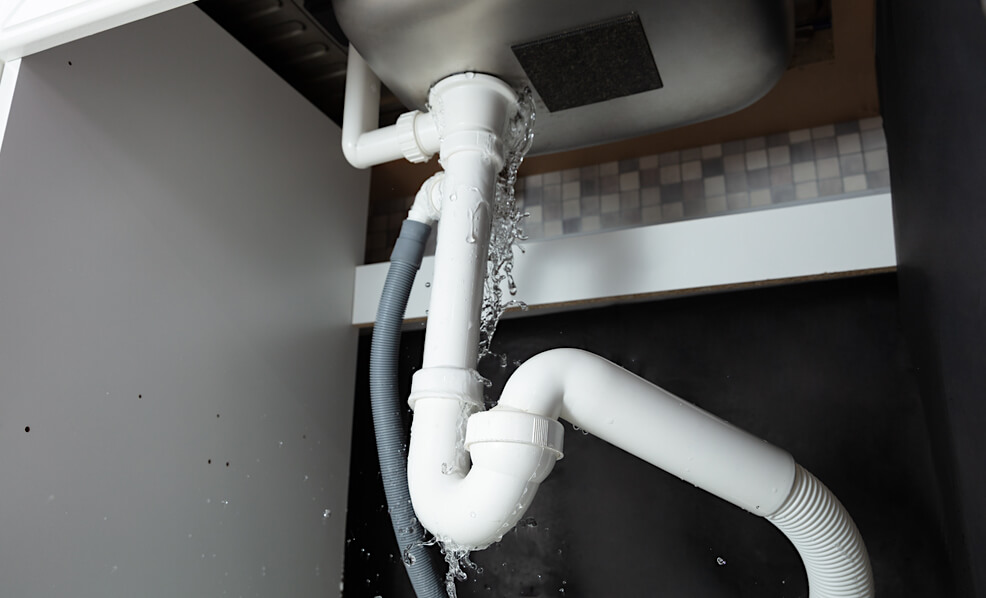
Make Temporary Repairs & Control the Scene: We covered that it is best to avoid removing damaged items until the inspection. That’s true. However, you must still make temporary repairs and secure the scene. If your home is flooding from a burst pipe, for example, then you shouldn’t simply shrug your shoulders and watch water fill the house. You need to secure the scene, turn off the water, and make temporary repairs (if safe to do so). Most insurers tell you to contact an emergency restoration company immediately.

Track Additional Living Expenses: If forced from your home due to property damage, track your additional living expenses. Your homeowners insurance covers additional living expenses (ALE) incurred if you are unable to remain in your home. That means meals, accommodations, and other costs are covered. Keep receipts from any hotels, restaurants, rental car companies, and more.

Consider Replacement Cost and Actual Cash Value: Homeowners insurance policies cover possessions in two different ways. Some cover the actual cash value of your items, which is the value of the item minus its depreciation. Higher-end homeowners insurance policies cover replacement value, which is the amount needed to replace the item without depreciation.

Remember Policy Limits: Your homeowners insurance policy has specific policy limits. If your home was worth $400,000, for example, and burned down in a fire, but you only have a $200,000 home insurance policy, then you will receive $200,000 from your insurance company. Your insurance company won’t pay more than the value of your policy.

Coverage for Improvements: Many homeowners are surprised to find insurance has reduced their claim because they made significant improvements to the house. You might have added a deck or renovated your bathroom, for example, without informing your insurer of the changes. If your insurer isn’t aware of the changes, then you will not receive compensation.

Conclusion: Contact a Public Adjuster or Contractor for a Second Opinion

During an inspection, an insurance adjuster is doing his or her job. Many insurance adjusters are reputable, honest people. They inspect the damage, assess your claim, and provide a report.

However, your adjuster is also an employee of your insurance company, and adjusters want to keep their employers happy. The adjuster’s focus may be to cover the bare minimum amount legally required – nothing more.

If you are unhappy with an insurance company’s inspection for property damage, talk to an experienced Public Adjuster for a second opinion.

See Full Article Here: Insurance Claim Inspections for Property Damage

Wednesday, August 12, 2020

Filing an Insurance Claim: How to File a Claim For Property Damage

Most home and business owners aren’t experts with property insurance claims.

How could you possibly be an expert if you’ve never filed a claim? Many property owners go their entire lives without making a significant insurance claim!
Filing An Insurance Claim
We’re explaining how to file a property damage insurance claim, including the steps to take, tips for maximizing your claim, and how to ensure your claim gets approved with the best chance for a fair settlement.

How to File a Homeowners Insurance Claim

A standard insurance claim for property damage goes through an eight-step process:

  1. Notify your insurance company
  2.  Meet with the insurance company’s adjuster
  3.  Protect your property and possessions
  4.  Secure temporary accommodations (if necessary)
  5.  Submit an inventory of damaged or destroyed items
  6.  Estimate the total repair and replacement cost
  7.  Repair or replace everything to pre-loss condition
  8.  Move back into your home

We’ll cover the basics of these 8 steps below. For additional information and resources, also see The Claim Process: Guide To How Insurance Claims Work.

Step 1) Notify your insurance company

Start by notifying your insurance company. After noticing a loss, you need to take action to protect your property. Contact your insurance company’s 24/7 claims hotline to begin the claims process.

Even if you don’t file a claim, you may still decide to contact your insurance company. Your insurer can help you decide if filing a claim is worth it. Your insurer can also explain the next steps to take.

Look up your insurance company’s 24/7 claims hotline and speak with a representative. Your insurer can dispatch an adjuster to your house, recommend a 24/7 emergency contractor, and explain how to take the next steps.

Step 2) Meet with the insurance company’s adjuster

The insurance company will send an adjuster to your property to inspect the damages. This adjuster is your representative at the insurance company. This is the person you will be interacting with throughout your claim. Also see valuable tips for dealing with the home insurance adjuster.

Your insurance company’s adjuster is either a salaried employee or independent adjuster working for your insurance company. The adjuster will analyze the damage, assess your policy, and determine what is and isn’t covered. The adjuster will interact with the homeowner and contractors throughout the restoration process.

Step 3) Protect your property and possessions

Depending on the severity of the incident, the insurance company or adjuster may recommend hiring a 24/7 emergency contractor or restoration company immediately. A contractor can arrive any time of day or night to secure the scene. The contractor can setup fans and drying equipment to manage water damage, for example, or haul away fire-damaged materials after a house fire.

Your insurance policy requires you to secure the scene after an incident. If you do not take steps to limit damage to your property, then your insurer could deny part or all of the claim because of a ‘failure to mitigate’. You cannot allow extra damage to occur to your home after an accident. You must take reasonable precautions to prevent further damage – like placing a tarp over the hole in your roof, shutting off water, or setting up fans if safe to do so.

Your insurance company’s adjuster will explain the next steps to take after a disaster or accident. The adjuster might send money to your account immediately. This money can cover your emergency expenses – like the cost of a hotel and the initial cost of the emergency contractor.

Step 4) Secure temporary accommodations (if necessary)

After a serious incident, your home might be unlivable. You may need to move out of your property during repairs.

If you have to move into a hotel, then home insurance should cover your accommodation expenses. Homeowners insurance covers the cost of repairing your property and possessions. It also covers additional living expenses (ALE) if you cannot remain in your home.

After moving out of your home, track all receipts. Your homeowners insurance could cover the cost of a hotel, dining out, renting a car, and any other expenses incurred because of your loss.

Most insurance policies cover your expenses up to a certain limit per day. You might receive compensation up to $125 per night for a hotel, for example, and $75 per day for food.

Step 5) Submit an inventory of damaged or destroyed items

To receive compensation for your damaged or destroyed items, you need to create an inventory. That inventory lists the items that were damaged along with their approximate value.

Some homeowners are extra cautious. They create an inventory of their home’s contents every 6 to 12 months. These homeowners take photographs of every valuable item, keep receipts of everything they ever purchased, and track it all in a spreadsheet. Read about the importance of regularly documenting and taking inventory.

Most homeowners do not have an up-to-date complete home inventory, and that’s okay. Gather your damaged items. Take photographs of the damaged items and estimate the value of each item. You will need to submit all of this information to your insurance company to receive compensation. As part of the process of any property damage insurance claim, the insured needs to complete detailed proof of loss forms.

Insurers provide compensation for items in two ways: actual cash value or replacement value:

Actual Cash Value: With actual cash value, the insurer analyzes the value of your items, then subtracts depreciation. If you bought a $2,000 laptop three years ago, then that laptop may be worth only $500 today with depreciation.

Replacement Value: With replacement value, your insurer compensates you for the cost of replacing your damaged items – not just the value you lost when the item was destroyed. If it costs $1,000 to buy a comparable laptop today, then the insurer gives you $1,000 to replace your laptop. You must actually replace the item to receive compensation. Your insurer will require a receipt, then give compensation based on the replacement value of your item.

Step 6) Estimate the total repair and replacement cost

The next step is to calculate the cost of repairing and replacing your home and its contents. To do this, your insurer will typically recommend contractors in your area. This contractor will analyze the damage, then determine the approximate cost to repair your damages.

For significant repairs, it’s a good idea to get multiple quotes. Calculating the cost of extensive repairs can be difficult. If a contractor makes a mistake during the estimate (say, by under-estimating cost), it could lower your final payout.

Request a quote from reputable local contractors. If you disagree with your insurer’s assessment of damages, then consider contacting a public insurance adjuster or a third party contractor for an estimate. An experienced public adjuster or reputable third-party contractor can give you a better idea of how much everything costs.

To get help from a licensed insurance claim expert that fights for your best interests, talk to an experienced Public Adjuster.

[dynamic_contact_us text="Schedule a Free Consultation"]

Note About Total Loss Claims: If your home has significant damage, then it could be declared a total loss. A home that burns down, for example, could be a total loss. With a total loss, you have maxed out your insurance policy. The cost of repairing or replacing your property is more than your policy is worth. Your insurer pays to the limits of your policy, while you cover any remaining costs out of pocket. If you have a $100,000 policy, for example, and a fire caused $150,000 of damage to your property, then your insurer will pay $100,000, while you pay the remaining $50,000 out of pocket. Find more in depth information here about total loss property damage claims.

Step 7) Repair or replace everything to pre-loss condition

Once you have approved a contractor’s estimate, repairs can begin. Repair or replace everything to pre-loss condition. Depending on the damages, this step can take a few days – or a few months.

If you are forced to live outside of your home, be sure to track expenses. Keep receipts for all accommodations and meals. Track any additional costs you incur as a result of your home repairs. Many are surprised by how quickly costs can add up. By tracking everything, you can ensure you receive fair compensation from your insurance company.

Step 8) Move back into your home

After repairs are complete, you’re ready to move back into your home. Your home is safe and ready to be lived in once again.

What Happens If Something Goes Wrong with My Claim?

Not all insurance claims go as smoothly as outlined above. Your insurer could deny your claim or reduce payout. A contractor might go beyond your budget, forcing you to pay money out of pocket.

If something goes wrong with your claim, you have multiple options.

Talk to your Insurer: Sometimes, just talking to your insurer will solve your problem. Ask to speak with your adjuster’s supervisor, for example. Or, contact your insurer’s complaints hotline. Escalating the situation could help resolve your issue – or it could do nothing.

Hire a Public Adjuster: For higher-value insurance claims (over $10,000), it’s generally worth it to hire a public adjuster. A public adjuster works for you, analyzing your claim and negotiating with the insurance company on your behalf. Proven public adjusters often help obtain settlements that are 3 to 4 times higher than the one initially offered by the insurance company.

Speak with an Attorney: Public adjusters aren’t available in all states. In some states, attorneys specialize in insurance disputes and play a similar role to public adjusters. Attorneys can help you navigate the claims process and fight for the compensation legally owed to you. s

Schedule a free consultation with a public adjuster today. Educate yourself on your rights – and prevent an insurer from taking advantage of you.

Read Full Article Here: Filing an Insurance Claim: How to File a Claim For Property Damage

Thursday, July 23, 2020

How to Dispute a Homeowners Insurance Claim Denial

Your home insurance claim was denied. What happens next?

Every year, thousands of Americans dispute homeowners insurance claim denials. Sometimes, the insurer reverses the denial and the homeowner receives compensation.

Disputing Insurance Claim Denial

If you filed a homeowners insurance claim and feel wrongfully denied, then you aren’t helpless. There are multiple options available – and it’s still possible to receive compensation for your claim.

Today, we’re explaining the steps to take after your homeowners insurance claim is denied.

Step 1) Contact your Insurer

The first step to take is to contact your insurance agent or company. Review the claim you initially filed. Ask if there’s a way to improve the claim. Ask if your insurer needs additional documentation or evidence.

Sometimes, insurers deny a claim because they believe the claim was fraudulent. The insurer might suspect you’re fabricating the claim. If you only submitted one photo of damages, for example, then your insurer could be wary.

The more photos, videos, repair estimates, and receipts you can provide, the less likely your claim will be denied. Insurance companies require significant evidence to pay a claim. If you don’t have that evidence, your claim could be denied.

Call your insurance agent or your insurer’s claims department. Be polite. Listen to what they have to say. Follow any instructions they give you.

Ask your insurer if your claim can be reviewed based on new evidence. Ask if there’s a certain piece of evidence your insurer needs to approve the claim. It’s possible your insurer made an honest mistake. It’s also possible your claim was rightfully denied due to exclusions in your insurance contract.

Ideally, your insurer will agree to review the case. They could review it and adjust the settlement payout. They could also review it and reverse the denial.

In some cases, however, your insurer will not review your claim or adjust your settlement payout. If your insurer is denying your attempts to review your case, then move onto the next steps.

Step 2) Request an Independent Inspection from a Public Adjuster

Public adjusters are licensed insurance professionals. Your insurance company assigns an adjuster to your case. That adjuster’s goal is to protect the bottom line of the insurance company. You can hire your own independent public adjuster. This public adjuster’s role is to protect the policyholder.

A public insurance adjuster can perform an independent estimate on your claim. This independent estimate may cost $200 to $500. However, most public adjusters work on a contingency basis: you don’t pay the adjuster until after you approve your insurance company’s final settlement, at which point the adjuster takes a pre-arranged percentage of the final payout.

Public adjusters use their expertise to assess your claim. They analyze the damage, check your insurance policy to see what’s covered, then identify an appropriate amount of compensation based on all gathered facts.

Typically, public adjusters are hired for larger insurance claim disputes. If you and your insurer have a disputed amount greater than $10,000, for example, then it may be in your best interest to hire a public adjuster.

A public adjuster does more than just analyze the claim and your insurance policy. The public adjuster will handle all aspects of dealing with the insurance company on your behalf, fighting to make sure you receive every penny owed to you.

[big_contactus]

Ultimately, a public adjuster gives you a line of defense against an insurance company. Many people hire public adjusters when the insurer is dragging its feet. Others hire public adjusters at the beginning of a claim, before the insurer has even had a chance to deny the claim. Many policyholders hire a public adjuster after the insurer has denied the claim.

Step 3) File a Complaint and Hire an Attorney

Most claim disputes get resolved at steps 1 or 2. However, some insurance claim disputes get complicated. In this situation, you may want to hire an insurance attorney.

You can also file an official complaint to your state’s insurance regulator. You can find detailed information on how to file an insurance complaint in your state here.

In some states, public adjusters and insurance attorneys play the same role. In other states, they’re two different types of insurance professionals. Both professionals, however, can escalate your claim and fight for compensation on your behalf.

By hiring a public adjuster or an attorney, you can escalate the situation with your insurance company, fight for the amount legally owed to you, and ultimately get the compensation you deserve. Not sure which is the right option for your claim? See Hiring An Attorney Vs Hiring A Public Adjuster.

Reasons for Home Insurance Claims to Be Denied

Insurance companies are for-profit businesses. If they have an opportunity to deny your claim and save money, then they will take that opportunity.

Some of the common reasons to deny an insurance claim include:

Illegal Criminal Activity: If your home was being used for illegal criminal activity, then your insurance company may deny your claim. If you are using your home’s kitchen to manufacture drugs, for example, and you start a fire that burns down your home, then your insurer may deny your claim.

Fraud: Many insurance claims get denied due to fraud – or suspected fraud. Most insurers will not accuse you of fraud without a significant investigation. An investigation may reveal that you deliberately started a house fire, for example. Insurers lose billions to fraud every year. Today, they use high-end technology to determine fraudulent claims. Policyholders who get caught committing fraud will have their claims denied. They could also face jail time, fines, and other penalties.

Failure to Maintain your Home: As a policyholder, you are required to maintain your home. Maintenance is an expected part of home ownership. Insurance covers unexpected things like fires: it doesn’t cover expected things like maintenance. If you failed to maintain your home or keep your house in good repair, then your insurer could deny your claim.

Leaving the House for Extended Periods: Most home insurance policies require regular check-ins. Many home insurance policies consider your home vacant if nobody has been inside the home for 30 days, for example. This can make the policy void if there’s a fire or burglary. Some insurers require you to check in weekly during winter months. If you leave town on vacation and don’t have someone check your property regularly, then your claim could be denied.

Lack of Evidence: Many insurance claims are denied due to lack of evidence. You failed to provide sufficient evidence of the covered event, for example, or had no documentation proving value.
Delay in Filing the Claim: Some claims are denied because you took too long to file the claim. You waited 30 days before reporting the damage, for example. The sooner you file the claim, the less likely your claim will be denied.

Exclusions: All insurance policies have exclusions. Many policies exclude flood damage, for example. Your property might have legitimate damage – but if the damage was caused by an excluded event, then it may not be covered.

You can read more details about claim denials at The Most Common Reason Why Insurance Claims Are Denied.

Contact A Public Adjuster Today

A denied insurance claim can be devastating. If your insurance claim was denied, then you need to contact your insurance company to determine why it was denied – and what you can do to fix it.

If your insurer continues to deny your claim or offer a low payout, then your best option is to hire a public adjuster.

[dynamic_contact_us text="Schedule a Free Consultation"]

A public adjuster works on your side, representing your case against the insurance company. The public adjuster can fight for the compensation you are owed.

Read Full Article Here: How to Dispute a Homeowners Insurance Claim Denial

Tuesday, June 23, 2020

Preparing for Property Damage Insurance Claims: The Importance of Regularly Documenting Everything in your House

You may not be prepared for a property damage insurance claim. Many homeowners aren’t prepared.

Have you documented everything in your home lately? Have you thoroughly checked your property? Do you have an itemized list of the contents of your home?

Documenting Value of Personal Belongings

Many homeowners fail to document their possessions or property – and this can lead to serious headaches. It can jeopardize a future property damage insurance claim, for example. It can also make a claim much more complicated, or even contribute to a reason claims are denied.

That’s why documentation is important. Today, we’re explaining why you should document your home regularly – and how to do it.

How Lack of Documentation Could Jeopardize a Claim

Many homeowners fail to check their home annually or semi-annually. This is a problem.

Lack of documentation could threaten a property damage insurance claim:

  • You might not notice a part of the home that requires maintenance – like a leaky roof or broken shingles
  • You might be significantly underinsured based on the value of your home and possessions
  • You might have no evidence proving ownership or value of many items in your home
  • Your high-value items may not be covered by insurance because you don’t have riders
  • Your insurance policy could have exclusions you never knew existed

All of these mistakes could complicate a property damage insurance claim. In some cases, they can even cause an insurer to deny your property damage insurance claim, forcing you to pay tens of thousands of dollars out of pocket.

For all of these reasons, it’s crucial to review your insurance policy and coverages annually or semi-annually.

Do an Annual or Semi-Annual Checkup

You don’t have to walk around your home with a clipboard every week. Instead, set a specific time of year to review your home insurance policy offerings. Do an annual or semi-annual checkup.

Many homeowners do a checkup around “spring cleaning”, for example. Winter is over. You’re cleaning your home. It’s a great time to document your possessions, check your policy, and inspect your home for damage or maintenance issues.

Step 1) Check Your Property for Maintenance Issues

Maintenance issues can cause insurance claims to be denied. Your insurance policy requires you to maintain your home and repair wear and tear.

If you fail to maintain your home, and then try to file a claim, then the insurer can rightfully deny your claim. You did not abide by the terms of your insurance contract, so the insurer can deny your claim.

Let’s say a hailstorm damages your roof. You notice a few shingles are missing, but you don’t think much of it. You ignore the issue. You don’t go up on the roof to check for damages, nor do you check your attic for any leaks.

Two weeks later, you come back from vacation to a flooded house. There’s a hole in your roof and it rained all week. Your home has extensive damage. You file an insurance claim, but the claim is denied because you had a maintenance issue. You left your roof in bad condition. Because of that, a rainstorm damaged your home.

This isn’t some crazy scenario: situations like this happen to American homeowners every day.

That’s why it’s so important to regularly inspect your property for damage or maintenance issues. If you don’t feel qualified to inspect your property, then hire someone who is. It may cost a few hundred dollars to hire a qualified home inspector every year – but it could save you hundreds of thousands of dollars on a future insurance claim.

Here are some things that should be on your DIY home inspection checklist:

  • Check your chimney. Make sure the chimney is straight and whole with no missing bricks or mortar. Check the tightness of the flashing (the sheet metal between the roof and the chimney that prevents leaking).
  • Check your roof. Make sure the roof lies flush to the house with no sinking, curling, or visible damage. Check for mold or rot. There should be no more than two layers of roofing. Check the soffits and fascia for decay.
  • Make sure your gutters are clean, rust-free, and securely attached to the home. Consider pouring water down gutters to verify they’re directing water away from your home – not towards the foundation.
  • Check house surfaces and exterior siding. There needs to be at least six inches between the ground and any wood on the house. Look for signs of visible damage around the foundation, including stains, cracks, rot, loose siding, or vegetation.
  • Check your windows and doors. Make sure the frames are intact and the joints or caulked. Look for broken glass or screens.
  • Make sure the foundation of your home looks right. From the side, your home should look square with no leaning or sagging. All framing should be straight, with the roof ridge and fascia level.
  • Look for standing water around your property, as this could be a sign of sinkholes. Make sure there are no tree branches touching the home or looming above the roof. Unattached structures, like fences and sheds, should be intact with no mold or bug damage.
  • Check the underside of your roof (in your attic) for any signs of decay, damage, or water stains. Make sure there’s adequate ventilation in your attic.
  • Check bedrooms, bathrooms, and all other rooms of your home. Look for stains, decaying paint, broken electrical outlets, and other issues.

Remember: if you don’t feel comfortable performing a complete home inspection, then hire a professional home inspector.

Step 2) Document your Possessions

Insurers recommend keeping a home inventory. A home inventory is a list of your belongings and their estimated value. If you have a home inventory, it makes a future insurance claim significantly easier.

A home inventory isn’t just about your jewelry and furniture. It’s about the value of your home. Have you recently renovated your home? Has your home significantly increased in value over the past few years? All of these things need to be documented.

Start with an Excel spreadsheet or similar program. Then, implement the following tips:

  • Keep bills, receipts, warranties, and instruction manuals for your more valuable possessions; all of these items can serve as proof of ownership
  • Store your records and receipts in a safe place, like a safety deposit box or secure online folder (or, better yet, store multiple copies in multiple online and offline locations)
  • Review your home inventory every year and when you make new purchases; the more stuff you have in your home, the higher the value of your possessions will be
  • Take photos or videos of all of the valuable possessions in your home
  • Store financial records, credit card records, tax documentation, government documentation, and other important household documents in a safe, off-site location
  • Get professional appraisals for high-value, one-of-a-kind items like jewelry, artwork, antiques, collectible items, and other similar possessions

Ultimately, you want to keep documentation for anything in your home you want covered by insurance. If you don’t have documentation, then you may not be able to make a claim. Or, you may not receive proper compensation for that item.

Step 3) Check Home Value to Avoid Being Underinsured

Most homeowners assume they have enough insurance. Unfortunately, many homeowners don’t realize they’re underinsured until it’s too late.

Your home’s value may have increased. The value of your possessions may have increased. Your policy limits have not increased, which means you may not receive adequate compensation for your home in the event of repairs or a total loss.

Many homeowners will renovate their home, for example, which significantly increases the value. Unfortunately, they don’t change their home insurance coverage, which means the added value of the home is at risk.

Other homeowners may not realize how valuable their possessions are. In step 2, we performed a home inventory. You may be shocked to discover how valuable all your possessions are when added up. You might have only $25,000 of coverage for possessions that are worth over $50,000, for example.

Or, many homeowners take out a rider. If you recently purchased a wedding ring, for example, then you may need to add a rider to your insurance policy. This rider extends coverage for that wedding ring.

For all of these reasons, it’s crucial to review your policy limits regularly. After documenting everything in your home, check your policy limits. Make sure you have enough insurance coverage.

Final Word: Start a Home Inventory Now

The best time to start a home inventory was five years ago. The second best time is today. The sooner you start a home inventory, the less risk a claim will be denied.

Pick an easy spot to start – a contained area like your kitchen appliance cabinet. Start with recent purchases before tackling older possessions with less documentation.

Don’t forget to check your property. Good property maintenance is crucial. If you miss a maintenance issue, it could cause your claim to be denied.

Good documentation is crucial – and an annual or semi-annual checkup could help you avoid headaches on a future property damage insurance claim.

See More Here: Preparing for Property Damage Insurance Claims: The Importance of Regularly Documenting Everything in your House

Wednesday, April 29, 2020

Does Homeowners Insurance Cover Plumbing and Leaks?

Homeowners insurance protects your house against unexpected losses. Generally, homeowners insurance will cover plumbing and leaks. However, it will not cover certain maintenance-related issues or flooding.

Today, we’re explaining everything you need to know about how homeowners insurance covers plumbing and appliance leaks, including what’s covered, what isn’t covered, and how to maximize your insurance claim.

Plumbing Leaks and Home Insurance

Most Homeowners Insurance Policies Cover Sudden and Accidental Water Damage

Your home insurance policy should cover damage to your home caused by plumbing issues and appliance leaks, assuming the issue was sudden and accidental.

If your pipes suddenly burst, for example, and water floods your home, then your home insurance policy should cover the cost of repairing this damage, except for the actual pipe that burst, in many cases. It should also cover the cost of gaining access to the pipe and the repairs to replace any drywall, flooring or tile work during that process to get to the burst pipe.

Home insurance is designed to protect policyholders against unexpected damages – like a random burst pipe. It’s not designed to protect policyholders against preventable damages – like mold caused by a cracked pipe dripping behind a wall for five years without being repaired.

How Home Insurance Covers Plumbing Issues and Water Damage

A standard home insurance policy will cover damage caused by plumbing issues or appliance leaks, including any damage to your property and possessions.

A standard home insurance policy includes both dwelling coverage and personal property coverage:

Dwelling Coverage: Dwelling coverage helps pay for damage to the structure of your home. If your home is damaged by a covered peril (like a burst pipe), then dwelling coverage will cover home repairs. It can cover the cost of tearing out and replacing water-damaged drywall, for example, and replacing any water-damaged flooring.

Personal Property Coverage: Personal property coverage compensates you for any possessions damaged during a plumbing issue or appliance leak. If the bathroom above your living room floods, for example, and drips water onto your $2,000 4K TV, then your insurance company should pay to replace your damaged TV, as well as the damaged areas of your home.

Please note that you need to pay your deductible before coverage kicks in. Your insurance policy may also have coverage limits. If your home requires $120,000 of repairs, for example, and your coverage limit is $100,000, then you will have to pay the remaining $20,000 out of pocket.

Home Insurance Won’t Cover Maintenance-Related Plumbing Issues or Long-Term Leaks

Not all plumbing issues and leaks are automatically covered by home insurance.

If your pipes have been leaking for months, for example, and you haven’t taken any action, then your home insurance company may deny your claim. However, some policies do allow for “hidden” damage, but there are usually a set number of days from the date of discovery for you to report that damage, otherwise coverage will be denied.

Or, if your plumbing system is falling apart due to poor maintenance, then your insurer may also deny your claim. As the policyholder, you have a responsibility to maintain your property. If you fail to maintain your property, then your insurer can rightfully deny your claim.

We see something similar for roof damage claims. If your roof was damaged in a recent hailstorm, for example, then you may be able to make a legitimate claim to repair that hail damage. If your roof was damaged in a wind or hailstorm, however, and you refuse to repair it, and then it creates a roof leak causing water damage during the next big rainstorm because of your damaged roof, then your insurer may deny your claim.

Which Plumbing Issues Are Not Covered by Home Insurance?

Depending on your plumbing issue, your home insurance claim could be denied. Some of the most common plumbing issues that are rarely covered by home insurance include:

Damage from Unresolved Maintenance Problems: If your home has a maintenance issue and you refuse to repair it, then your insurance company is not required to cover it. If your kitchen sink has had a continuous leak for years, for example, and you never repaired it, then your claim for mold damage underneath your kitchen countertops may be denied.

The Cost of Repairing or Replacing the Source of the Water Damage: Most home insurance policies cover the damage caused by the plumbing issue but not the actual source of that damage. If your old washing machine caused $10,000 of water damage to your basement, for example, then your insurer may cover the $10,000 of home repairs, although you’ll need to pay to replace your own washing machine.

Water Backups from Outside Sewers or Drains: If your water has backed up from an outside sewer or drain, then your insurance claim may be denied. Standard home insurance policies do not cover damage caused by outside sewers or drains. However, you may be able to purchase additional sewer or water backup coverage.

Flood Damage: Standard home insurance policies never cover flood damage. It doesn’t matter if the flood damage occurred during a hurricane, storm, or other event. Some insurance companies let you purchase additional flood insurance, although many insurance companies do not offer any type of flood insurance. If you live in a flood-prone region, then you may be able to purchase flood insurance through FEMA’s National Flood Insurance Program (which is the only flood insurance option for millions of Americans living in flood-prone areas).

FAQs About Homeowners Insurance, Plumbing, and Leaks

Some of the most common questions we get about homeowners insurance, plumbing, and appliance leaks include:

Do Insurance Companies Cover Broken Pipes? If your pipe suddenly breaks, then your insurance company should cover the cost of repairing any water damage caused by that broken pipe. However, your insurance will not cover the cost of repairing or replacing the actual pipe itself.

What is Gradual Damage? Many insurers will use terms like ‘gradual damage’ when dealing with your water damage insurance claim. Gradual damage occurs slowly over time, causing damage to a property. A leaking pipe that sits unrepaired for months or years, for example, is causing gradual damage to your home.

How Am I Supposed to Know About Damage Behind My Walls? Your insurer may deny your claim because a broken pipe behind your walls was causing gradual damage. How are you supposed to detect issues like this? Ultimately, it’s the responsibility of the homeowner to maintain the property. Take steps to prevent leaks in your home. Check your water bill for unexpected increases. Listen for drips behind your walls. Look for discolorations or other signs of a leak.

Do Insurance Companies Ever Cover Gradual Damage? Most insurance policies exclude plumbing issues and leaks caused by gradual damage. However, every policy is different. Talk to your insurance company to determine if gradual damage is covered. If you believe a claim was denied for no good reason, then consider hiring a public adjuster to assist and maximize your insurance payout.

What Happens If I Discover Additional Water Damage or Mold Months Later? Many homeowners pay to repair water or plumbing damage, only to find additional mold damage on their property months later. In this case, the insurer may agree to cover this new damage even though it’s technically a type of gradual damage. If your home has experienced gradual damage after an initial insurance claim, then you may be able to make a claim.

What About Mold Coverage? Most home insurance policies exclude mold coverage. Mold is a type of gradual damage. If a leak behind your walls is left undetected over a long period of time, then it can cause mold. Unless you have specifically added mold coverage to your home insurance policy, mold is probably not covered.

What Happens if a Tree Falls on My Roof During a Storm and Causes Water Damage? If a tree falls through your roof and creates a roof leak, and then water pours in through the hole in your roof to cause water damage, then you should be able to file a claim for this event under your home insurance policy. Your insurer should cover the cost of repairing the hole in your roof and any water damage that was a result of the damage cause by the tree on your roof. They will also pay for the removal of the tree and any temporary protection you use until an adjuster can inspect the damages. It is your duty to protect your property from further damage until they are able to inspect the home or business.

What is Resulting Damage? You might also see the term ‘resulting damage’ come up during a claim. Resulting damage is different from initial damage. If your old dishwasher explodes and causes water to flood your home, then your insurance company will categorize the water damage as resulting damage. Your insurer will cover this water damage, but the insurer will not cover the cost of replacing your dishwasher.

What to Do If a Water Damage or Plumbing Claim is Denied

Insurance companies have a lot of reasons to deny a water damage insurance claim. What should you do if your claim is denied?

First and most importantly, ask your insurance company for a full explanation. Ask your insurance company exactly why your claim was denied. You have the right to understand exactly which part of your policy excludes your claim. Don’t be afraid to ask for further clarification on certain items – especially if the insurance company is being vague or making assumptions about the cause of the damage.

Second, determine which person actually made the decision to deny your claim – like a contractor, adjuster, or a supervisor. The contractor or adjuster sent by your insurance company might have denied your claim because of perceived pre-existing maintenance issues, for example. A second professional may have a different opinion.

Third, ask an agent or representative for a review or second opinion. Some insurance companies will give you the chance to appeal a contentious claim.

If none of the above steps get you anywhere, or you want help with any part of the process contact a Public Adjuster for help.

[big_contactus]

Recommendation: Hire a Public Adjuster To Help Increase Your Plumbing Insurance Claim Payout

Public adjusters are licensed insurance industry professionals with a proven ability to maximize insurance claim payouts.

An experienced public adjuster can turn a denied claim into an approved claim – even when dealing with messy situations like burst pipes and other plumbing issues. A good public adjuster helps navigate the intricacies of an insurance claim to obtain the fair settlement you deserve in order to recover from a loss.

If your insurance company is dragging its feet, denying your claim, or offering a low payout, then it’s in your best interest to hire a public adjuster.

A public adjuster works with the insurance company to settle a claim on your behalf. The adjuster knows the strategies insurance companies use to avoid paying plumbing or leaking pipe insurance claims. A good adjuster also knows how to challenge these claims and turn a denial into an approval.

ClaimsMate makes it easy to hire the best public adjuster for your unique home insurance claim.

A ClaimsMate public adjuster can help you expertly navigate the plumbing damage insurance claim from start to finish, negotiating on your behalf to secure the highest possible payout. Contact ClaimsMate today for a free consultation.

Read More Here: Does Homeowners Insurance Cover Plumbing and Leaks?

Thursday, April 23, 2020

Business Interruption Insurance Coverage for COVID-19 Coronavirus: What to Expect

The COVID-19 coronavirus has wreaked havoc on businesses across the United States.

Many businesses expect to receive business interruption coverage with an insurance claim. Insurance companies, however, aren’t sure they are obligated to cover these claims.

Nobody knows what will happen with each specific claim filed. COVID-19 business interruption coverage is going to be a contentious issue. Each unique claim will likely be won or lost in court. Some cases could last years.

Closed Business Interruption Insurance Claims Coronavirus

Insurers are in unfamiliar territory. They have never dealt with a global pandemic like this. Some insurance contracts have wording specific to global pandemics, while other contracts do not.

Business owners are also confused. They bought business interruption coverage for situations like this. An unexpected event has caused the closure of their business. They expect to receive compensation.

The issue is complicated. It’s also changing daily. We’ve summarized the most up-to-date information on COVID-19 and business interruption coverage below.

Does a Normal Business Insurance Policy Cover Coronavirus?

Does an ordinary policy cover the COVID-19 coronavirus or any other global pandemic?

It’s possible your insurance policy contract will cover coronavirus. It’s also very possible your insurer will argue against covering the claim.

The two most relevant business insurance policy coverages that could apply are Business Interruption and Event Cancellation coverage.

Business Interruption and COVID-19

Business interruption covers loss of profits and increased costs of working. Business interruption coverage is a part of property insurance coverage that can be added to business or commercial policies.

The COVID-19 coronavirus is causing a reduction of income and increase in costs for businesses. Businesses are struggling to cope with containment measures, supply chain disruption, and the mass absence of employees and customers.

However, these factors may not trigger business interruption coverage. Typically, business interruption coverage is triggered by a covered loss – like fire damage.

What Triggers Business Interruption Coverage?

A normal property insurance policy triggers business interruption coverage when covered property damage has occurred.

If your business burns down, for example, or sustains major water damage, then you would receive business interruption coverage while repairs are completed.

This trigger may not apply to today’s circumstances. Your business has not sustained any property damage.

Because of this restriction, policyholders need to examine any business interruption extensions available on their policy. They also need to check for standalone contingent business interruption coverage.

Some policies, for example, have specific infectious disease coverage as an extension, in which case you could be covered for business interruption caused by the COVID-19 coronavirus.

Other policies have extensions regarding suppliers and customers, denial of access, and loss of attraction. Based on the specific wording of these terms, you may or may not receive business interruption coverage for the COVID-19 coronavirus.

Infectious Disease Coverage Does Not Guarantee Coronavirus Coverage

Your business interruption policy might have wording for infectious diseases. However, that doesn’t necessarily mean you’re covered against the COVID-19 coronavirus.

Some policies provide cover for losses caused by any “notifiable” disease. This is an important distinction. Some jurisdictions have declared COVID-19 a notifiable disease, while others have not. The date on which the disease is declared a notifiable disease will also matter.

As pointed out by Fenchurch Law, we first saw the “notifiable” disease issue during the SARs pandemic:

“A decision of the Hong Kong Court of Appeal in the aftermath of the SARS pandemic established that such a clause had the result of reducing the amount of loss covered in two ways. First, losses suffered before the date on which the disease became notifiable were not covered. The decision of a competent authority to make the disease notifiable did not act retrospectively. Secondly, the starting point for establishing the amount of profit lost was the period after the advent of the disease, but before the disease became notifiable, not the period before the first incidence of the disease.”

In other words, your business insurance could cover any losses after the COVID-19 coronavirus became notifiable – but it won’t cover any losses before that date.

The Centers for Disease Control and Prevention (CDC) maintains the National Notifiable Diseases Surveillance System (NNDSS), which lists all notifiable conditions in the country. The list includes anthrax, botulism, cancer, and syphilis, among dozens of other notifiable diseases.

The list also includes severe acute respiratory syndrome-associated coronavirus disease (SARS), which was added to the list in 2003.

COVID-19 became notifiable in England on March 5, 2020. Most other countries declared it a notifiable condition in late February or March 2020.

As of April 12, 2020, the COVID-19 coronavirus is not specifically listed on the CDC’s National Notifiable Conditions database, which could make insurance claims complicated.

Some Policies Exclude Certain Diseases

Some policies have broad coverage for notifiable diseases but have exclusions for certain diseases.
It’s unlikely your insurance policy specifically excludes COVID-19 or coronavirus. However, your policy could include catch-all language like “any mutant variant thereof”.

Some policies have exclusions for “SARS or atypical pneumonia or any mutant variant thereof”, for example, which could mean that COVID-19 is excluded. Atypical pneumonia itself is a form of coronavirus.

Medical professionals could decide this exclusion. When medical professionals categorize or define the COVID-19 virus, they could play a significant role in COVID-19 insurance claims.

How a Hurricane Katrina Hotel Case Could Impact Coronavirus Business Interruption Claims

To fight back against COVID-19 insurance claims, some insurers could reference a business interruption precedent established in 2010.

After Hurricane Katrina in 2005, a hotel company in New Orleans called Orient Express sued its insurance company to recover lost profits via business interruption coverage (Orient-Express Hotels v. Generali).

The insurance company argued that there was “wide area damage” to the region. Because of this wide area damage, the insurer did not have to pay business interruption insurance.

Here’s the idea behind wide area damage: Even if the hotel had been able to continue operating, it would have had no customers because of wide area damage.

Business interruption coronavirus cases will come down to causation. Did the business shutdown due to mandatory orders from a public authority? Would customers have visited the business if the business had stayed open? These questions need to be answered for future COVID-19 business interruption claims.

Event Cancellation Coverage and COVID-19

Some businesses may also make a COVID-19 claim through their event cancellation coverage. Business interruption coverage may be unavailable. Or, it may not be sufficient to cover losses.

In certain industries, it’s possible that event cancellation coverage could cover COVID-19 coronavirus losses.

Event cancellation coverage protects policyholders against losses caused by the cancellation of a specific event as a result of one of a long list of specified perils (or for any cause not specifically excluded).

If event cancellation coverage is triggered, then the insurer is required to compensate the business for any lost profits or increased costs as a result of the cancellation.

What Triggers Event Cancellation Coverage?

Insurance policies approach event cancellation coverage in two ways:

Everything Except Exclusions: The policy excludes certain things from triggering event cancellation coverage, but all other things are covered. This is referred to as All-Risk or Open Perils coverage.

Nothing Except Inclusions: The policy excludes everything except what is specifically listed. Your event cancellation policy is only triggered if a listed event occurs. This is referred to as Named Perils coverage.

Some event cancellation policies will contain specific wording – either an inclusion or exclusion – for cancellations caused by infectious diseases. Policies that contain infectious disease wording may extend coverage to an outbreak on the insured premises or within a specified radius. Some policies also specifically exclude (or include) pandemics.

Some event cancellation policies also refer to notifiable diseases. As mentioned above, your insurance policy may only cover damages after a disease becomes notifiable. Depending on your jurisdiction, the date that COVID-19 became notifiable will vary widely.

Mandatory Versus Voluntary Cancellation

If you file a claim through event cancellation coverage, then your insurer may check if your cancellation was voluntary or mandatory.

Insurers may argue that the cancellation of the event was not “necessary” or “unavoidable”, for example, because you were not specifically directed to cancel the event by a competent authority.

If you cancelled an event because of low ticket sales caused by COVID-19, for example, then you may not receive event cancellation coverage. However, if you cancelled an event because your city banned all gatherings over 10 people until June 30, then you may receive event cancellation coverage.

What Else Do I Need to Know About Business Insurance and COVID-19?

Many other factors could apply to your COVID-19 business insurance claim. Here are some things to consider.

Determining a Cause of Loss

Most business income and business property coverages depend on the cause of loss. A covered cause of loss typically means “direct physical loss” unless otherwise limited or excluded.
Scyld Anderson of Property Casualty 360 believes government-mandated closure is not considered direct physical loss:

“In my opinion, government-mandated closure is not direct physical loss. Furthermore, CP 10 30 excludes losses resulting from the enforcement of any ordinance or law regulating the “use” of any property. It also excludes damage resulting from “delay, loss of use and loss of market.”

However, businesses could argue that the virus has caused direct physical loss in the form of contamination. If the virus is actually present on the property, then there could be direct physical loss. The virus has physically contaminated the property, leading to direct physical loss.

Some policies exclude damages caused by “fungus”, “bacteria” and “wet rot”. These terms should not exclude the COVID-19 coronavirus. However, if the policy excludes “viruses”, then the policy could exclude COVID-19.

COVID-19 Liability Coverage

Many business owners are also concerned about liability coverage. Your liability insurance covers damages that the legally insured becomes obligated to pay as the result of an “occurrence”.

Occurrence is defined as “an accident, including continuous or repeated exposure to substantially the same harmful condition”.

The Supreme Court of Ohio has held that an accident is “unexpected” and “unintended”. Insurers, meanwhile, are not required to pay damages resulting from normal, frequent, or predictable consequences of doing business, or events that businesses can control and manage.

It could be argued that coronavirus infections are the result of “continuous or repeated exposure”. This language was developed for situations like pollution or asbestos, where long-term exposure over time leads to health issues.

Could a grocery store be liable for an employee’s COVID-19 infection because the employee faced continuous or repeated exposure? These questions need to be answered.

Businesses could also face liability for negligent failure to disinfect. Someone might face bodily injury after receiving an infection from the business.

Some policies are endorsed with limitations for damage or injury caused by fungi or bacteria. Some policies have general exclusions for “biological pathogens”.

Other exclusions could also apply to liability cases. There could be exclusions for damage pertaining to impaired property, for example. Impaired property is tangible property that is not physically injured, but that is less useful because the insured failed to fulfill the terms of the contract or agreement.

Final Word: What to Expect from your COVID-19 Business Interruption Claim

Business interruption claims related to the COVID-19 coronavirus are going to get complicated.

Businesses are facing enormous losses from the COVID-19 coronavirus. Some business insurance policies will cover these losses – either through business interruption or event cancellation coverage. Other business insurance policies specifically exclude these losses.

Insurers will argue in favor of limiting their payouts. They will cite rulings from the SARS outbreak, Hurricane Katrina, and other widespread catastrophe situations.

Nobody knows what will happen with all the future COVID-19 coronavirus business interruption claims. Some businesses should receive full coverage, while other businesses may receive nothing.

If your insurer is pushing back against your COVID-19 coronavirus claim, then contacting an experienced insurance attorney might be your best option.

Post Source Here: Business Interruption Insurance Coverage for COVID-19 Coronavirus: What to Expect

Tuesday, April 21, 2020

Total Loss Insurance Claims: Tips For Dealing with Home or Business Total Loss Insurance Claims

A home or business total loss insurance claim can be extremely challenging.

By successfully navigating a total loss insurance claim, however, you can receive the substantial amount of money owed to you by your insurance company and fully recover.

Today, we’re explaining everything you need to know about a total loss insurance claim for a home or business and what happens if your business or house is a total loss.

What is a Total Loss Insurance Claim?

A total loss insurance claim is an insurance claim where the cost to restore the property to its pre-loss condition is more than its actual value. A total loss fire claim where a fire burns an entire home is a common example of this.

Let’s say a home has an actual cash value of $250,000. This is the value of the home minus any depreciation. A significant amount of the home burns down. It’s going to cost $350,000 to repair this damage. At this point, the home is declared a total loss: it costs more to repair your home than it is worth. In this situation, your insurance company should agree to repay the policy limit on your home insurance policy.

Total loss is common in all types of insurance, including auto, home, and business insurance. Any time repairs or replacements exceed the value of a property, it could be declared a total loss.

Different states have different rules regarding total loss. Some states require repair costs to exceed just 80% of the actual cash value of the property for the property to be declared a total loss. Other states set the limit at 90% or 100%.

Some insurance policies also have different rules for total loss. An extended replacement cost insurance policy, for example, will pay a certain amount over this limit to rebuild your home – say, 20% or more.

How Do Insurance Companies Determine When a Home is a Total Loss?

After an unexpected disaster at a home, you may be wondering: “Is my home a total loss?” First, the insurance company will investigate the claim to ensure it falls under insurance coverage. Then, the insurance company will send estimators to assess the damages. These estimators – such as a general contractor, home insurance adjuster and engineer – will determine how much it will cost to repair and restore everything.

If the estimated cost of repairing or replacing the damaged home exceeds the actual cash value of the home, then the insurance company will declare the home to be a total loss.

Is My Home A Total Loss? Repairing Versus Rebuilding

When investigating your home insurance claim, insurers will also compare the cost of rebuilding your home versus the cost of repairing it.

In many cases, it’s more expensive to repair a home than to rebuild it – even if a large section of the home is undamaged.

Your insurance company will determine how much it costs to repair your home. Then, your insurance company will compare this number to how much it would cost to rebuild your home. If it costs more to repair your home than to replace it, then your home will be replaced.

Don’t Forget About Personal Property Coverage

Most home insurance policies come with Personal Property Coverage. If your possessions are lost in a house fire, for example, then insurance will cover the cost of replacing these items if you have replacement cost coverage, or if you have not purchased the replacement cost coverage for your contents, they will pay the actual cash value of your items, which was the initial cost minus any depreciation for its age and condition.

Your Personal Property Coverage will usually be separate from your Dwelling Coverage. It will be stated on your Declarations Page under Personal Property and it will have a separate value from your Dwelling Coverage.

How Long Does the Total Loss Insurance Claim Process Take?

The total loss insurance claim process can take anywhere from a few days to a few weeks. More complicated claims with back-and-forth negotiations can last months.

Generally, however, it’s in the insurance company’s best interest to close your claim as quickly as possible.

The insurance company’s adjuster may spend several days determining how much it will cost to repair your home. The adjuster will contact superiors to determine whether your home should be declared a total loss.

Once the insurance company reaches a decision, you will be informed. Then, you will receive a check in the mail for either the total loss or the repairs.

How to Make a Total Loss Insurance Claim for a Home or Business

Most total loss insurance claims consist of the following steps:

Step 1) Contact your insurance company as soon as you can safely do so. Your insurance company will tell you how long you have to file a claim, whether the damage is covered under your policy, and any additional steps you need to take.

Step 2) Make temporary repairs. Your insurance company might send an emergency restoration company to your property immediately to start making repairs. While waiting for the restoration company to arrive, make whatever temporary repairs you can safely perform. Put a tarp over the hole in your roof, for example.

Step 3) If you need to relocate, keep all receipts. You may need to move out of your home while it’s being repaired. If so, keep records of all expenses – from gas to meals to hotels. Home insurance policies cover your Additional Living Expenses if you are forced to leave your home after a covered event. This coverage falls under Additional Living Expense and it is usually stated on your Declarations Page with a dollar amount for the limit of liability that insurance will cover.

Step 4) Prepare for visits from the adjuster. Your insurance company will send an adjuster to assess your home damages. The adjuster will determine how much it will cost to repair or replace your home, and how much your possessions are worth.

Step 5) Prepare an inventory for lost possessions. Your adjuster will ask for as much paperwork as possible, including receipts or the approximate value of any lost items. Do not throw out any damaged items until the adjuster has visited. Consider photographing or videotaping any damages to substantiate your claims. The more information you can provide on an inventory, the better. Any electrical items will need a model number and a serial number so that the insurance carrier can check on the value of your contents.

Step 6) Prepare an inventory for home and structure damage. Walk around your home and assess any damages you want covered by insurance. A fire may have mostly affected one side of your house, for example, but the entire roof of your home may be damaged. Or, soot may have spread throughout the entire home. An earthquake or other type of disaster might have left a crack in your walls or swimming pool. There may be problems with your electrical system. Make a note of any damages that were caused and should be covered.

Step 7) Ask for professional inspections on structural damage. Most homeowners aren’t trained to diagnose electrical problems or structural issues with a home. Instead, we recommend relying on the professionals. Ask for a professional inspection on any home damage. Your insurance company may bring in their own professionals such as engineers and you may want to hire your own professionals for help such as a public insurance adjuster.

Step 8) Get written bids from licensed contractors. Each bid should include details of the materials that will be used and their prices on a line-by-line basis.

Step 9) Wait for your insurance company to complete its assessment. Ultimately, you’ll have to wait for your insurance company to return its verdict. The insurance company will determine how much your payout should be and whether your home is going to be repaired or replaced. Then, you’ll work with one of the contractors above to complete the repairs or replacement.

Types of Policies that Affect Total Loss Insurance Claims

Your home or business insurance policy may have certain terms that affect a total loss insurance claim. Notable policy terms include:

Replacement Cost and Actual Cash Value

Replacement cost policies will give you the dollar amount needed to replace a damaged item with an item of a similar kind and quality without deducting for depreciation.

An actual cash value policy will pay the amount you need to replace the item minus depreciation, often leaving you with a large bill that must be paid out of your own pocket.

Let’s say, for example, that a tree crashes into your kitchen during a windstorm, destroying your ten-year old refrigerator. Under a replacement cost policy, the insurance company will pay to replace the old fridge with a new one. With an actual cash value policy, the company will pay less than this amount, because you have used the fridge for ten years and it’s now worth less than it originally had cost.

Extended and Guaranteed Replacement Cost

If your home is damaged beyond repair, then most home insurance policies will pay to replace the home up to the limits of the policy. With an extended replacement cost policy, however, the insurance company agrees to pay a certain percentage over the limit to rebuild your home – say, 20% or higher, depending on your insurer.

Some insurance companies also offer guaranteed replacement cost policies. Under these policies, the insurance company guarantees that it will pay whatever it costs to rebuild your home as it was before the disaster.

Mobile Home, Stated Amount

Total loss insurance claims for mobile homes can be unique. Under a stated amount policy, the maximum amount you can receive if your home is destroyed is the amount you agreed to when the policy was issued. You might buy home insurance for your mobile home with a stated amount of $20,000, for example. That would then be your total payout if the home was completely destroyed.

When to Hire a Public Adjuster for your Total Loss Insurance Claim

Your insurance company assigns its own adjusters to your claim. These adjusters are employees or contractors working on behalf of your insurance company. This adjuster’s goal is to pay you as little for your total loss claim as they are legally allowed to pay.

That’s why many home and business owners choose to hire a public adjuster.

A public adjuster is a licensed insurance professional who works on behalf of you – not the insurance company. Public adjusters charge a pre-disclosed fee of 10% to 20% of the final settlement amount. However, a good public adjuster can increase settlements significantly while also simplifying each aspect and step of the entire claim process to help families with a quick and full recovery after a total loss.

Some of the reasons to hire a public adjuster include:

  • The disputed amount between you and your insurance company is more than $10,000
  • Your insurance company is dragging its feet, demanding too much paperwork, or otherwise attempting to delay the claim
  • Your insurance company has denied your home or business insurance claim
  • Your insurer is demanding an excessive amount of paperwork to justify any of your expenses
  • Your insurance company has offered a disappointingly low payout for your insurance claim

In all of these situations, it may be in your best interest to hire a public adjuster. Contact ClaimsMate to find a qualified public adjuster who can address your insurance needs.

See Full Article Here: Total Loss Insurance Claims: Tips For Dealing with Home or Business Total Loss Insurance Claims