Tuesday, May 31, 2022

What to Do When Your Home Insurance Claim is Denied

Has an insurance company denied your claim? What should you do when an insurance claim is denied? Keep reading to discover the steps you should take after insurance claim denial.

1. Understand The Reason For Denial

Insurers deny claims frequently.

Sometimes, they deny claims for good reasons. The policyholder committed insurance fraud, for example, or deliberately damaged the property.

In other cases, insurers deny claims because they’re greedy. They use hidden policy language and engineering reports to intimidate policyholders into accepting a lower-than-expected payout.

Your insurer must provide a reason the claim was denied. Make sure you understand the reason for your denied claim. Then, you can proceed with the next steps.

2. Review Your Policy

In many cases, homeowners don’t fully understand their policy until after a claim has been denied.

Start by reviewing your policy. Your insurance company may have referenced specific parts of your policy when denying your claim. Review those parts thoroughly.

Approach your policy like you were the insurance adjuster looking to deny your claim. How would you interpret the policy in the insurer’s favor? That’s how insurance companies might approach your policy – and why they deny claims every day.

  • Look for specific terms in the policy the insurance company is referencing when denying your claim
  • Check specific coverages, deductibles, and limits to ensure you know how much is covered
  • Look for exclusions, including specific incidents or types of damage your insurer may not cover

3. File An Appeal

If you’ve reviewed your claim and your policy and you’re still unsure about the denial, then file an appeal.

You have the right to appeal your insurance claim. To appeal your claim, you’ll need to collect evidence supporting the reason you believe your claim should be overturned, including:

  • All relevant information about your claim and the resulting damages, including photos and videos of the damages, the date and times at which the damages occurred, receipts for damaged items, and other supporting evidence of your loss
  • An estimate or statement from an independent appraiser (if the value of an item is disputed) or an estimate from an independent contractor (if the value of repairs is disputed)
  • Evidence proving you performed due maintenance on your house regularly and were not negligent
  • Any other evidence refuting the insurance company’s reason for denying your claim

If the insurer denied your claim unfairly, then you may be able to overturn the denied claim by providing the evidence above.

4. Hire A Public Adjuster Or Other Professional

If none of the above steps overturned your denied insurance claim, then it’s time to hire a professional.

Typically, homeowners hire public adjusters for disputed amounts greater than $10,000.

Public adjusters are are typically paid by contingency, which means they don’t charge clients anything until the final settlement with your insurer.

A public adjuster manages your claim from start to finish, analyzes your claim and the damages, and negotiates with the insurance company with your best interests.

[big_contactus btn-position="1"]

The goal of a public adjuster is simple: to ensure you receive every penny legally owed to you according to your insurance contract.

If the public adjuster is unable to help with your case, then you may want to approach an insurance attorney in your area – especially if it’s a high-value claim with a large amount of disputed money. Hiring an attorney can be expensive, but it’s one final way to overturn your denied claim.

5. File A Formal Complaint

The insurance industry is regulated by your state’s Department of Insurance.

If you’re unsatisfied with your insurance company, or if your insurer denied your claim without due cause, then consider filing a formal complaint to your state’s insurance commissioner.

Insurers have an obligation to operate in good faith. When insurers break that obligation, they are violating state insurance law. Consider filing a formal complaint against your insurer if you’re unsatisfied.

Why Insurers Deny Claims

Insurers deny claims for many different reasons.

Some of the reasons insurers deny claims include:

  • Misrepresentation (i.e. lying or misrepresenting certain facts to your insurance company)
  • Non-payment of premium or late premium payments
  • Missed filing deadline
  • Insufficient documentation and evidence
  • Damage from an excluded cause
  • Damage to undisclosed improvements (like a new kitchen renovation)
  • Neglect or lack of maintenance
  • Deliberate or intentional damages (like arson)

When insurers deny claims they should provide a reason for that claim denial. If you disagree with the insurance company and think your claim was wrongfully denied, you may be able to overturn a denied claim by providing the right evidence or getting help from a licensed insurance claim professional.

Schedule A Free Case Review

ClaimsMate provides free case reviews. Contact ClaimsMate today for a no-obligations consultation.

A ClaimsMate public adjuster can analyze your claim, determine why your claim was denied, and use proven strategies to overturn that denied claim.

[dynamic_contact_us text="Schedule a Free Consultation" btn-position="2"]

Additional Resources For Insurance Claim Denials

For more information and assistance with your specific claim denial situation, see the following resources below:

Source Here: What to Do When Your Home Insurance Claim is Denied
Wednesday, May 25, 2022

7 Things Homeowners Insurance May Not Cover

There are some things homeowners insurance does not cover.

Many homeowners are surprised flood damage isn’t covered by a standard home insurance policy, for example. Others are surprised to see insurers deny a claim because of an “Act of God.”

By educating yourself on what homeowners insurance covers and does not cover upfront, you can maximize the value of your home insurance policy.

Here are 7 things homeowners insurance does not typically cover.

Bugs, Pests, and Rodents

Bugs, pests, and rodents can cause thousands of dollars of damage to your home. Unfortunately, your insurer may not cover this damage.

Home insurance companies treat pest infestations as a home maintenance issue.

If you have a pest infestation that has caused significant damage to your home, then the insurer considers it your fault: you should have maintained your home and prevented the pests from spreading.
That could mean missing out in significant compensation for damage caused by:

  • Wasps
  • Rats and mice
  • Termites
  • Squirrels
  • Birds
  • Other pests, bugs, and rodents

You can avoid significant pest-related damages with good home maintenance and regular home checkups. However, if you leave your house empty for long stretches, then pests could easily cause significant damage – and your insurer won’t cover it.

How to Get Covered: Maintain your home and check for pest damage regularly. If away from your home for a long period, have a professional check your home regularly for pest-related damage.

Acts of God

A standard home insurance policy will not cover floods, earthquakes, and other significant natural disasters.

If a flood destroys your home, then you may be forced to pay to repair damage (or rebuild your home) out of pocket – assuming you didn’t buy secondary flood insurance from FEMA.
Standard home insurance policies have exceptions for “Acts of God.” It’s a catch-all phrase that includes:

  • Earthquakes
  • Floods
  • Tornadoes and hurricanes (may be excluded if you live in a region where tornadoes and hurricanes are common)
  • Other natural disasters that cause damage

You can get coverage for these issues, but you need to pay extra.

Homeowners living in a flood-prone region, for example, can buy flood insurance through FEMA. Or, your insurer may offer additional tornado and hurricane coverage if you live in the southeastern United States.

Even if your policy does cover these items, you may have a high deductible. Some insurers now charge $5,000 or $10,000 deductibles, for example, for wind and storm damage. That means it may not be worth it to make a claim for most minor storm damage. Read your policy carefully to ensure your home insurance policy matches your needs.

How to Get Covered: Check your insurance policy to verify coverage or lack of coverage. Buy flood insurance through FEMA. Buy earthquake, tornado, hurricane, and other natural disaster insurance through your insurer (it’s typically available as an add-on in disaster-prone regions). Check your policy’s deductibles to ensure it’s within the range you expect.

The Full Cost of Replacing your Roof

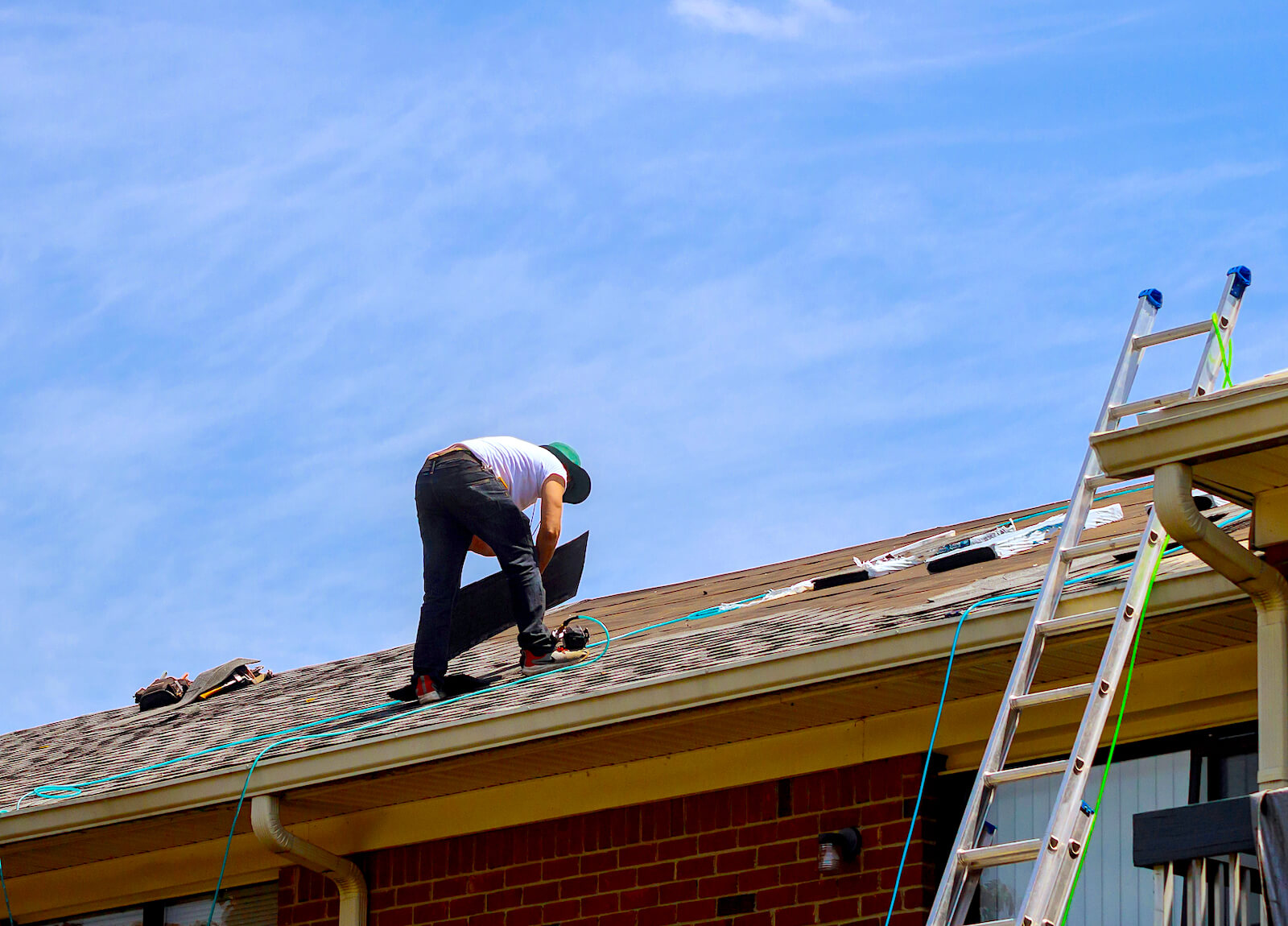
Roof Replacement Insurance ClaimIt costs anywhere from $5,000 to $50,000 to replace a roof, depending on the size of your home and the material used.

Unfortunately, insurance may not cover the full cost of repairing your roof in all situations.

Most home insurance companies now depreciate roofs. That means your insurance company pays you less money based on the age of your roof.

If a windstorm destroys your 15-year old roof, your insurance may only pay you $500 for the roof, and you now need to spend $10,000 on a new roof.

Check your policy carefully to ensure you have the roof coverage you need.

How to Get Covered: Maintain your roof regularly. Check your policy to make sure you understand your roof coverage. Check your roof for damage after hailstorms and windstorms. Or, have professionals check for damages.

The Cost of Rebuilding your Home

If your house is underinsured, then your insurer will not cover the full cost of rebuilding your home.

According to a recent industry survey, nearly 60% of homes in the United States are under-insured by at least 18%.

If a fire destroys your home, for example, then you might receive only a fraction of the compensation you need to rebuild your home.

Your insurer only needs to compensate you up to the limits of your policy. If you have a $400,000 policy for your $500,000 home, then your insurer still only provides $400,000 of compensation after a total loss.

Many homeowners are underinsured because they’ve made recent upgrades or repairs. Renovating your home could add significant value. If you didn’t update your insurance to match, then you may be underinsured, which means your insurer won’t cover the full cost of rebuilding.

How to Get Covered: Check your home insurance policy regularly to ensure it matches the full value of your home, including any upgrades or repairs you have made. Check building costs in your area. Consider getting a replacement value policy instead of an actual cash value policy for added compensation after a loss.

Service Lines

Insurance policies cover your house and most things inside your house. However, they don’t cover service lines coming into your home.

Your insurance policy covers the pipes inside your home, including leaking and burst pipes.

However, if a service line leaks or bursts, then it can cause significant damage to your lawn that isn’t covered by insurance.

Some policies do cover service lines. Other policies let you add service line coverage.

If you live in a condo or apartment, then service line coverage isn’t important. However, it’s more important for single-family homes, and you may want to check your policy for service line coverage.

It’s also important to check the condition of current service lines before buying a home. Ask for detailed inspections of sewage lines and drainage systems before you buy. If you detect damage before a sale, the seller may be required to fix this damage before closing, which could save you thousands of dollars.

How to Get Covered: Check for service line damage before you buy a home. Add service line coverage to your home insurance policy if concerned about potential costs.

Damage Resulting From Faulty Smoke Alarms and Other Safety Systems

Fixing Smoke AlarmYou buy smoke alarms to alert you of a fire. If your smoke alarm malfunctions, however, then you still expect your insurer to cover the damages.


Unfortunately, that may not be the case: insurers may deny claims due to:

  • Faulty sprinklers
  • Missing smoke detectors
  • Smoke detectors with dead batteries or no batteries

You have a responsibility to maintain your home and all appropriate safety systems. If you failed to maintain your home’s safety systems, then your insurer could deny your claim.

Similarly, homeowners insurance companies may deny claims if you have certain safety feature discounts. If you asked for a hurricane-proof door and window discount, for example, without correctly installing hurricane-proof doors or windows, then your insurer could deny future wind damage insurance claims.

How to Get Covered: Maintain home safety features to avoid future claim denials. Check safety systems regularly. Use licensed professionals to install home safety features.

Break-Ins Caused by Faulty Security Systems

Just like homeowners insurance doesn’t cover damage caused by faulty smoke alarms and other safety systems, it also doesn’t cover break-ins caused by faulty security systems.

If you received a 15% discount on homeowners insurance for having a home security system, for example, then you’re expected to maintain that system throughout your policy.

If you failed to maintain your home security system, or if you disabled your security system and someone broke in, then your insurer could deny your claim.

How to Get Covered: Maintain your home security system, set it when you leave the house, and check it regularly – especially if your home insurance company has given you a home security system discount.

See More Here: 7 Things Homeowners Insurance May Not Cover

Friday, May 13, 2022

Does Homeowners Insurance Go Up After a Claim?

Keep reading to discover everything you need to know about how homeowners insurance premiums go up after a claim.

Homeowners Insurance Premiums May Increase Each Time You Make a Claim

Every time you file a homeowners insurance claim, your insurer is likely to increase your premiums.

Insurance is all about risk. If you have had homeowners insurance for 30 years without making a claim, then your insurer likely considers you a low-risk policyholder.

However, if you’ve had homeowners insurance for 10 years and have made 3 major insurance claims, then your insurer probably considers you a medium-risk or high-risk homeowner. Whether it’s your fault or not, you’ve had multiple major claims that have cost your insurer thousands of dollars.

You should expect to pay higher premiums for around 5 years after a claim.

How Much More Will I Pay?

Homeowners insurance premiums typically rise 15% to 35% after making a single claim.

If you make a second claim within a 5 year period, your premiums could rise another 60%.

According to the Insurance Information Institute, the average homeowner in the United States pays $1,249 per year for homeowners insurance.

You’ll pay higher or lower premiums based on things like:

  • Your location
  • Natural disaster risk in your area
  • Your history of claims
  • The value of your home and your possessions
  • Coverage options, including any additional coverages you may have purchased
  • Coverage limits

The most important factor in home insurance premiums is risk. Insurers consider how likely you are to make a claim.

The Severity of Each Claim Matters

Insurers don’t just consider the number of claims you have made; they also consider the severity of each claim.

If you made two claims for $3,000 in fire damage because of two small kitchen fires, for example, then your insurer will treat you differently than if you burned down your $300,000 home twice.

Insurers consider things like:

  • Claim history
  • Claim type
  • Claim amount

Insurers treat fires more seriously than weather-related claims, for example. Someone with two house fires in a 5 year span is a high-risk person to insure, while someone with two tornado insurance claims in a 5 year span may have bad luck.

Home Insurance Premiums Rise Nearly Every Year

Rise in Insurance Premiums

According to the III, homeowners insurance premiums rise around 3% each year.

However, homeowners insurance premiums may have risen even higher in recent years because of inflation.

Inflation leads to higher-value homes, more expensive home repairs, and more expensive material costs.

As inflation causes prices to rise, insurers need to raise premiums to compensate.

Although the average homeowner paid $1,249 for home insurance in 2018, that number could be closer to $1,500 today.

It’s not just inflation: bad weather is also causing insurance premiums to rise. As severe weather events become more common, insurers are raising rates to compensate.

Homeowners insurance companies may also raise rates because of rising theft or crime rates in your area. If the likelihood of a burglary has increased, for example, then your homeowners insurance company may raise your rates.

Some Claims Raise Premiums Higher than Others

Some types of claims are more likely to raise insurance premiums than others.

  • A single fire damage insurance claim, for example, will usually raise premiums by 25% to 35%
  • Insurers are generally less harsh with weather-related claims; if you make a claim for weather damage, then your premiums may only rise 10% to 20%
  • Theft, liability, and water damage claims are some of the worst claims for higher insurance premiums; you might expect to pay 20% to 30% higher insurance premiums after a theft, liability, or water damage claim
  • Making a second claim for fire, theft, liability, or water damage within a 5 year period could cause rates to rise 50% to 60%
  • Making a second claim for weather-related damage within 5 years may only cause premiums to rise 20% to 30%
How Do Insurers Check Your Claims Record?

When buying a new homeowners insurance policy, the insurer may ask about your claims history. How does the insurer verify your claims history? Can an insurer really check your previous fire damage insurance claims in a different state?

Yes, insurers can and do check your claims history.

Insurers check your claims history using the Comprehensive Loss Underwriting Exchange (CLUE) database.

CLUE is a nationwide registry of claims operated by LexisNexis, a consumer reporting agency. CLUE provides insurers with your previous five years of insurance claim history.

Whether you filed a claim in a different state or in your current state, it will appear on your CLUE record – as long as it occurred within the past five years.

If you’re unsure whether or not a claim appears on your record, request a copy of your CLUE report from LexisNexis.

When to Pay for a Claim Out of Pocket

You’ll likely pay higher insurance premiums after a claim. That’s why it may not always be in your best interest to file a claim. Instead, you may want to pay out of pocket.

When to file a claim:

  • If the cost of repair far exceeds your deductible, then you may want to file a claim. If it’s going to cost $10,000 to repair your damaged kitchen after a fire, for example, and your deductible is $1,000, then it might be in your best interest to file a claim.
  • You would also likely want to file a claim for any other significant damages or complete losses, regardless of your deductible. If your house burns down, or if a tornado destroyed significant parts of your home, then it’s almost always going to be in your best interest to file a home insurance claim.

Remember: insurance exists to protect you against unexpected events. Although you’ll pay higher rates after a loss, your insurer is still obligated to pay full compensation for your loss.

When not to file a claim:

  • When the cost of repairs and replacements is close to your deductible, it may not be worth it to file a claim. If someone broke your living room window, for example, and it will cost $1,200 to repair the window, then it may not be worth making a home insurance claim. If your deductible is $1,000 and your premiums will rise 20% to 30% after a claim, then it makes a lot of sense to cover the repair by paying out of pocket.
  • If you’ve made a claim in the last 5 years, you may want to pay out of pocket for the next claim, especially if it’s minor. Making a single claim can raise premiums by 15% to 35%. However, making a second claim could raise premiums another 50% to 60%. In this situation, you may be better paying out of pocket even for costlier claims.
  • If you’ve made 2 or more claims in the last 5 years, then it may not be in your best interest to make a claim. If you have multiple major home insurance claims in a short period, then your insurer could decline to renew your policy. That may mean you need to buy insurance from a high-risk provider.
Final Word: Do the Math When Facing Higher Premiums

Overall, you need to do the math.

Is it worth making a claim today and paying higher insurance claims in the future? Or am I better paying out of pocket and avoiding higher premiums?

It’s expected for Insurers to raise rates after a loss, and it may or may not be in your best interest to file a homeowners insurance claim.

Article Source Here: Does Homeowners Insurance Go Up After a Claim?

Thursday, April 28, 2022

How Increasing Wildfires and Climate Change Are Affecting Home Insurance Claims & Coverage

In fact, some homeowners struggle to find home insurance because of wildfire risk. Fewer home insurance companies are willing to insure high-value homes in wildfire-prone areas, for example.

The December 2021 fire in Broomfield, Colorado burned 600 homes. The fire forced the complete evacuation of the towns of Superior and Louisville.

Meanwhile, wildfires that used to only occur during the hot and dry summer months are now occurring at all times of year. The governor of Texas declared a state of disaster in March 2022 because of wildfires in North Texas, for example and wildfires occur in California every month of the year.

As the risk of wildfires increases due to climate change, homeowners – and home insurance companies – are struggling to maintain good insurance.

Insurers Are Cancelling Policies in Wildfire-Prone Areas

You buy home insurance to protect you from unexpected events. Unfortunately, your insurance company could cancel your policy at any time due to excessive risk.

  • As reported by Pew, one homeowner in Colorado got an unpleasant surprise from his insurance company. After moving to Boulder, Colorado and purchasing a home, that homeowner received a cancellation notice from his insurer.
  • An assessor from his insurance company, Allstate, had visited the homeowner’s property and determined it was too likely to be destroyed by a wildfire. Because of the high risk, Allstate cancelled the policy.
  • The homeowner was surprised and unsure what to do next. However, the homeowner also had a mortgage, and the lack of insurance left that financing in jeopardy. Lenders require home insurance to protect the collateral of the loan. If you can’t find an insurance company to cover your home, the lender could seize your home.

California Has a Last-Resort Lender for Homeowners with Cancelled Policies

California experiences more destructive wildfires than any other state. In 2018, catastrophic fires caused more than $9 billion in losses, according to the California Department of Insurance.

When the Camp Fire burnt through the down of Paradise, destroying 14,000 homes, it drove a local insurance company into bankruptcy.

California’s wildfire risk is so high that mainstream insurers refuse to insure certain properties.

In response, California has established a lender of last resort called the California Fair Access to Insurance Requirements Plan. If you can’t get insurance from the ordinary market, then you can use the California Fair Access to Insurance Requirements Plan to get the coverage you need.

It’s not just California: wildfires also threaten millions of homes in Texas and Colorado. As insurers become increasingly wary of wildfires, it’s becoming harder for homeowners to find insurance.

Why Insurers Deny Coverage for Wildfire Risk

Wildfires are a risk in most parts of the western United States. But why do insurers deny coverage for certain homes but not others? How can some homes in a neighborhood get good home insurance while others need to pay higher premiums?

Insurers consider factors like:

  1. Properties surrounded by forest, which significantly increases the risk of a wildfire
  2. Properties only reachable on backroads or forest service roads, which increases the
  3. risk of damage and injuries and reduces the ability to fight an active fire
  4. Slopes where the wildfire is likely to run
  5. Vegetation in the area, including overgrown brush and trees
  6. Wind patterns

After you buy home insurance in a wildfire-prone area, an assessor may visit your property to check these factors. The more factors there are to increase the risk of a wildfire, the more likely the insurer will cancel your policy.

Some Towns Are Becoming “No-Go” Zones for Insurers

As wildfire risk increases, it’s becoming increasingly difficult to buy homeowners insurance in certain communities.

In the town of Pagosa Springs, Colorado, for example, approximately 15% of homes cannot obtain insurance due to wildfire risk.

15% of properties in Pagosa Springs, Colorado land in State Farm’s third wildfire risk category. At this category, State Farm will not provide insurance to the property.

No matter how many trees the homeowners cut down, and no matter what steps the homeowner takes, the homeowner cannot obtain insurance in that location.

Meanwhile, hundreds more homes in Pagosa Springs are in State Farm’s second category, which means they’re considered high risk. Homeowners can buy insurance in this category, but it’s more expensive.

State Farm is America’s largest property and casualty insurance company. They insure more homes across the United States than any other insurer.

Wildfire Mitigation Reduces Risk – And It May Be Required

Wildfire mitigation is a familiar process for those in high-risk wildfire zones. Today, many homeowners clear brush from their property annually to reduce the risk of a fast-spreading wildfire.

In fact, some homeowners are required to do fire mitigation work on their property.

Some insurers require homeowners to clear brush from their property as part of regular home maintenance, for example. If you fail to do this, then your insurer could deny your claim due to lack of maintenance.

Meanwhile, certain residents of Boulder, Colorado must perform wildfire mitigation due to city bylaws. Since 1993, Boulder County has required all homebuilders on the western side of the county to do wildfire mitigation work. In 2010, after a devastating local fire, county land use officials recommended increasing mitigation efforts.

Today, Boulder and other counties employ a team of agencies and wildfire experts dedicated to managing wildfire risk as much as possible. These groups work with insurance companies, advocating on behalf of homeowners to ensure they can get covered.

3 Tips for Managing Wildfire Risk and Home Insurance

Man In Front Of Total Loss House Fire

Many homeowners don’t consider home insurance until it’s too late. If it’s already wildfire season, or if a fire is approaching your home, then it’s too late to adjust coverage.

To manage your wildfire risk and home insurance, consider the following:

Understand your Insurance Policy and Coverage

A standard home insurance policy covers wildfire damage and all other fire damage.

However, your home may be dangerously underinsured. As home values rise, and as the cost of building increases, a growing number of homeowners are underinsured.
In fact, nearly 22% of homeowners are underinsured, according to Nationwide, with some homeowners underinsured by 60% or more.

It’s more important than ever to understand your policy and coverage. Check your policy to ensure it reflects the value of your home – especially if you have recently completed renovations or improvements.

Similarly, understand the difference between a replacement cost and actual cash value policy:

  • Replacement cost policies cost more, but pay for the cost of replacing your home and your possessions after a wildfire
  • Actual cash value policies are cheaper, but you receive compensation based on the value of your property minus depreciation, which could mean hundreds of thousands of dollars’ in less compensation after a loss

Keep Go Bags for Evacuation

Many people who live in a fire-prone area already keep an emergency go bag during the high risk season.

However, as the risk of wildfires increases year-round, and as wildfires impact more communities, it’s important to keep a go bag nearby at all times of year.

When wildfires occur, you may have only minutes to escape your property. Your go bag should have anything you cannot replace.

Ask your Insurer About Wildfire Mitigation Discounts

Some insurers offer wildfire mitigation discounts. Others require wildfire mitigation as part of good home maintenance.

Some wildfire mitigation tips include:

  • Clear brushes and vegetation within a 100 to 200 foot radius of your home
  • Protect your roof and home from embers (say, by watering your roof when a wildfire approaches)
  • Build your home using fire-resistant materials
  • Create a fire-resistant perimeter around your home

Remember: radiant heat from a wildfire can ignite a house up to 100 feet away. Even if the forest is 100 feet away from your home, you could be at risk of a serious wildfire.

Final Word

It takes just one small spark to ignite the next record-breaking wildfire. That small spark could occur in your backyard.

As the risk of wildfires increases, it’s becoming harder and more expensive for homeowners to find the insurance they need.

If an insurance company is disputing your wildfire insurance claim, or if you’re unsatisfied with your settlement offer, then request a free consultation from an expert ClaimsMate public adjuster today.

Read More Here: How Increasing Wildfires and Climate Change Are Affecting Home Insurance Claims & Coverage

Thursday, April 21, 2022

How Home Insurance Covers Natural Disasters

After a disaster, many homeowners are surprised when their insurer denies or reduces a claim. Keep reading to discover everything you need to know about how home insurance covers natural disasters – and how to protect your home against natural disasters.

Basic Home Insurance Covers Most Natural Disasters

Most home insurance policies cover natural disasters like:

  • Tornadoes
  • Hurricanes
  • Fires
  • Lightning
  • Explosions
  • Volcanoes

If you live in a disaster-prone area of the country, then your home insurance policy should protect against most common perils in the region.

Most Policies Do Not Cover Floods or Earthquakes

Basic home insurance covers the perils listed above, but it does not protect against floods and earthquakes.

In fact, no normal insurance policy includes flood coverage by default. Instead, property owners need to buy flood insurance through FEMA, or a FEMA-partnered insurer, to protect homes and businesses against flood damage.

Flood insurance is particularly important when living in low-lying areas, like Florida, North and South Carolina, and parts of the Gulf Coast. However, flood insurance can be important in any coastal area or for anyone living along a flood-prone river.

Most homeowners insurance policies also do not include earthquake damage. If you live in an earthquake-prone area – like many parts of California – then you may want to buy added earthquake insurance.

Tornado Damage

Tornadoes can occur in all 50 states. Each year, approximately 1,200 tornadoes hit the United States.

Fortunately, a standard homeowners insurance policy covers tornado damage.

Home insurance includes coverage for wind, rain, and debris damage up to the limits of your policy. As long as you have sufficient coverage based on the value of your home and your possessions, your insurer should compensate you for any damage after a tornado.

However, standard insurance policies will not cover flood damage linked to the tornado. If the tornado destroys a water reservoir outside of your home, for example, and rising floodwaters destroy your basement, then insurance will typically not cover this damage – unless you have flood insurance.

Hurricanes

Hurricane Damaged House Claim

Insurers cover hurricanes like they cover tornadoes. Your wind, rain, and debris coverage will protect you against most hurricane damage.

Your insurance should cover your home and your possessions up to the limits of your policy. It should also cover additional living expenses, including costs you incurred as a result of the hurricane (say, if you need to leave your home and stay in a hotel for a few days).

However, hurricane coverage doesn’t cover water damage from flooding. As hurricanes become more common, it may be important to add flood coverage to your policy.

Your insurer could also deny claims if you update your policy too late. You cannot update your policy with added coverage or flood insurance after the storm has been named, for example.

Fire

All standard homeowners insurance policies cover fires, including fires started by natural disasters and accidental fires in your area.

However, your home insurance policy will not cover damage from intentional fires or fires caused by gross negligence. If you started a bonfire on your deck, for example, or asked a friend to burn down your property, then you are likely to have a fire damage insurance claim denied.

A standard homeowners insurance policy covers your dwelling, personal property, liability, and additional living expenses up to the limits of your policy.

According to the National Fire Protection Association, firefighters responded to 1.4 million fires in the United States in 2020. These fires caused $21.9 billion in property damage, and 26% of fires occurred in residential homes. All good home insurance policies need adequate fire coverage.

Lightning

Lightning can cause severe damage if it strikes on or around your property. Fortunately, a standard homeowners insurance policy covers lightning strikes and the resulting damage.

Lightning can damage your home with a direct strike, where lightning strikes or enters your home and causes damage.

Lightning can also damage your home with a near miss. The lightning strike missed your home but still caused damage. In this situation, the insurer may investigate to verify that lightning caused the damage (not a blown transformer).

Lightning can also cause a ground surge, which is a spike of electricity caused by lightning. Proving this damage to your insurer can be difficult, but insurance should cover damage caused by a ground surge.

Extreme Cold

Home insurance covers damage that occurs to your property because of extreme cold. However, you have a responsibility to maintain your home at a comfortable temperature to prevent frozen or burst pipes.

Extreme cold can lead to frozen pipes that burst and cause significant water damage. Home insurance should cover burst pipe insurance claims. However, if your insurer determines a lack of maintenance caused the burst pipe to freeze, then they could deny your claim.

Extreme cold can also lead to:

  • Snow and ice accumulation on your roof and gutters, which should be covered by homeowners insurance
  • Falls on frozen driveways, including any lawsuits and medical bills resulting from a fall

As long as you’ve performed all due maintenance on your home, home insurance should cover you for extreme cold damage.

Explosions

Explosions aren’t as common as other disasters on our list, but they still occur every year.

Explosions can occur because of a gas leak or an incident at a nearby home or business.

Home insurance should cover the cost of repairing your property and possessions after an explosion. As long as you did not intentionally set the explosion, insurance should cover you.

Volcanoes

Most Americans go to sleep every night without worrying about volcanoes. However, there are 161 potentially active volcanoes in the United States.

If you live in Hawaii, Alaska, and parts of the West Coast, then an active volcano could cause significant damage to your home.

When Mount St. Helens erupted in 1980, it caused around $860 million in damages, making it the most destructive volcano in United States history.

Fortunately, insurance should cover damage from volcanoes.

However, residents of Hawaii (particularly the Big Island) may have different coverage options depending on their lava-flow hazard zone.

Insurance policies may also exclude some damage resulting from a volcano, including mudslides and earthquakes.

Natural Disasters Not Covered by Home Insurance

Home insurance does not cover two main types of natural disasters, including floods and earthquakes.

Floods

Floods can occur for a variety of reasons, including:

  • Tornadoes and hurricanes causing waters to rise
  • Storms and heavy rains overflowing the rivers, creeks, and lakes near you
  • Other natural disasters blocking drainage systems, causing water to enter your home

In all of these situations, a standard homeowners insurance policy would not cover the loss.

In fact, one of the biggest sources of insurance claim disputes is in how damage occurred to your home after a loss. Your insurance may cover hurricane damage but not flood damage, for example. Your insurer may argue that the damage occurred because of flooding (which isn’t covered), while you might insist it occurred because of wind and rain damage (which are covered). In situations with a major insurance dispute like this, you may want to hire a public adjuster.

If you live in a flood-prone area, then consider buying additional flood coverage. FEMA offers flood insurance through the National Flood Insurance Program. Insurers in your area should offer flood insurance through this program.

There’s a 30-day waiting period before flood coverage begins. Don’t wait until hurricane season before adding flood coverage to your policy.

Earthquakes

Standard home insurance does not cover earthquakes. However, if you live in an earthquake-prone area, then you may be able to add earthquake insurance to your policy.

In California, for example, the California Earthquake Authority provides earthquake insurance to residents of high-risk areas.

Similarly, standard home insurance typically does not cover damage resulting from an earthquake, including landslides, mudslides, and tsunamis.

Other Natural Disasters

Other natural disasters that usually aren’t covered by a standard home insurance policy include:

  • Sinkholes
  • Tsunamis
  • Landslides and mudslides
Final Word

Check your policy today. You may be surprised by what’s included and excluded.
Don’t wait until it’s too late. Many homeowners don’t realize they lack flood coverage, for example, until a flood has already destroyed their home.

Read More Here: How Home Insurance Covers Natural Disasters