Wednesday, June 22, 2022

How to Protect your Home from Summer Storms And Avoid Denied Claims

Insurers deny and reduce claims regularly for improper maintenance. Some insurers deny claims, for example, because the damage already existed. Others pay you thousands less than you deserve because you failed to abide by meticulous maintenance standards.

With summer storms approaching, here are some of the best ways to protect your home – and make sure your insurance claim goes smoothly.

Review Insurance Coverage

Many homeowners don’t fully understand what home insurance covers – and what it excludes – until it’s too late.

There’s no better time to review insurance coverage than today. Check your coverage, verify your limits, and ensure you have sufficient insurance for everything in your home.

Here are some tips for reviewing insurance coverage before summer storm season:

  • Review your home insurance policy limits and make sure your policy has high enough coverage for your home and all possessions inside your home
  • Add endorsements for any high-value items (typically items worth more than $500); otherwise, your insurer may not reimburse you for these damages
  • Check your car insurance policy to verify you have comprehensive coverage; otherwise, you may not be protected against hail damage and other types of storm damage (car damage does not fall under a home insurance claim, even if the vehicle is parked at home)
  • Check exclusions to verify you’re covered against thunderstorms, hail damage, windstorm damage, hurricane damage, tornado damage, and other events; some insurers exclude certain severe weather events, especially if you live in an area where those weather events are common
  • Decide if you need flood insurance; major insurers do not offer flood insurance, but insurers partner with FEMA to provide flood insurance to homeowners in low-lying or flood-prone areas, and it may be a smart investment to protect your home all summer long

Install a Lightning Rod

Certain areas are more prone to thunderstorms than others. If you live in a thunderstorm-prone area, then a lightning rod may be a smart investment.

Homeowners in the United States file approximately 100,000 lightning strike-related insurance claims each year. Lightning strikes cause serious damage to homes, electrical systems, and electronics.

A lightning rod prevents a lightning strike from frying your home’s electrical circuitry and damaging electronics.

Buy a Surge Protector

If you don’t want to install a lightning rod, then consider installing a surge protector in your home.

There are surge protector power bars that protect specific electronics. However, these don’t protect your home’s electrical wiring, nor do they protect electronics that are not plugged into the surge protector.

To protect your home and its electronics, ask an electrician about installing a surge protector.

Whether using a lightning rod or a surge protector, a good lightning protection system can help mitigate power surges and avoid costly damage.

Fix Your Roof and Check It Regularly

Your roof is one of the most likely parts of your home to get damaged in a summer storm.

However, if your roof is poorly maintained or has existing damage, then your insurer could deny your storm damage insurance claim.

Fix any problems with your roof and your gutters. Repair missing shingles or tiles. Make sure your chimney has no cracks, and check the flashing to ensure there are no leaks.

Clean Your Gutters

As a homeowner, you have a duty to maintain your gutters. If your gutters are filled with junk, then they can’t do their job correctly during the next storm.

Check your gutters and clean them regularly.

Even if you’ve cleaned your gutters, it’s important to check their performance in a rainstorm. Grab an umbrella and walk outside (if safe to do so) during the next rainstorm, then check to see how your gutters are draining.

Good gutters will funnel water away from your home without overflowing.

Look for rust, cracks, and other damage to your gutters. Repair this damage and test your gutters with a hose to make sure they’re draining correctly.

Check Seals Around Doors and Windows

The caulking around your doors and windows needs to be intact to protect against summer storms.

Check seals and caulking around all entryways to your home, including:

  • Doors
  • Windows
  • Holes where wires and pipes enter your home
  • Any other access points between your home and the outside world

Install Storm Shutters to Save up to 25% on Homeowners Insurance

People in storm-prone areas often invest in storm shutters. In fact, some insurers offer discounts of 25% for installing storm shutters.

Storm shutters give your home an extra layer of sturdy protection in a storm. They can help you avoid making a home insurance claim – or limit damage to your home from the next storm. Even if you never face a serious storm, you can save hundreds per year on home insurance with storm shutters.

Maintain, Trim, and Monitor Trees Around Your Property

You have a duty to maintain trees around your property. Failing to maintain trees, trim trees, and remove dead trees could lead to insurance claim denial.

In a storm, dead branches become projectiles and damage your home. The larger the branch, the greater the damage.

Hire an arborist to check trees around your property. Remove any dead branches within 10 to 15 feet of your home, or any branches and trees that could land on your home during a storm.

Good Maintenance Today Could Save Your Insurance Claim

In many cases, good maintenance is the difference between a denied and approved insurance claim.

Take steps to maintain your property today – before one summer storm means you’re too late.

Originally Published Here: How to Protect your Home from Summer Storms And Avoid Denied Claims

Monday, June 20, 2022

10 Tips for Dealing With Hurricane Damage Insurance Claims

You buy home insurance to protect your home. However, a standard policy could leave you with much less compensation than you expect after a loss – even if you have a good insurance company.

It’s okay that you’re not a hurricane insurance claim expect. Here are 10 tips to help.

Home Insurance Doesn’t Cover Flooding

A significant amount of hurricane damage occurs from flooding. However, a standard home insurance policy does not cover flooding.

A standard home insurance policy covers:

  • Wind damage
  • Wind-driven rain (water that enters your home because of wind)
  • Water damage caused by leaks, holes, roof damage, broken windows, and wall damage

However, home insurance does not cover damage caused by water rising up into your home. As floodwaters rise after a hurricane, it could leave your basement and first floor soaked with water. Unfortunately, home insurance doesn’t cover this damage.

With most hurricanes, including Hurricane Harvey in Houston, the most significant damage occurred due to flooding. Homeowners were only covered if they had flood insurance.

You Can Buy Flood Insurance From the Government or Specialty Insurers

A standard home insurance policy does not cover damage caused by flooding after a hurricane (or any other type of flooding).

However, you can buy specialty flood insurance from the National Flood Insurance program or from a specialty insurer.

Because insurers refused to cover homes in flood-prone areas, the government stepped in. Today, homeowners in flood-prone areas can buy coverage through FEMA’s National Flood Insurance Program.

NFIP coverage works similar to a standard insurance policy: if rising floodwaters damage your home, then you make a claim.

Auto Insurance Covers Vehicle Damage After Flooding

All vehicle damage after a loss is covered by your auto insurance policy – not your home insurance policy.

Even if your vehicle was parked in your garage during a hurricane and suffered water damage, you make a claim through your auto insurance policy.

A standard auto insurance policy with comprehensive coverage (part of a full coverage plan) covers water damage, fire damage, and other environmental damage.

Although a home insurance policy does not cover flood damage, a car insurance policy with comprehensive coverage will come with flood coverage.

Whether your car is damaged by a flood or wind, your insurer will cover the cost of repairing or replacing your vehicle, minus your deductible.

Take Photos and Videos Immediately After a Loss

Once it’s safe, take photos or videos of the hurricane damage immediately after the loss.

Your insurance company requires you to implement basic steps to protect your home after a hurricane. You must put up tarps if safe to do so, for example, to prevent more water from entering your home. You cannot simply let water pour into your home after a hurricane tore a hole in your roof and expect more compensation for damage that could have been prevented.

The more photos and videos you have of the damages, the easier your claim will be.

Insurance Covers Certain Living Expenses After a Hurricane

Many homeowners are forced to flee their homes after a hurricane. If your home is damaged and unlivable after a hurricane, then your insurance should cover hotels, meals, and other living expenses after the loss.

A standard home insurance policy covers additional living expenses (ALE). If your home burns down and you need a place to stay, your home insurance policy covers the cost of getting a hotel, buying replacement clothing, and dining out, among other emergency expenses.

After a hurricane damages your home, track your receipts and expenses. Your insurer may reimburse you for everything.

Hurricane Claims May Have Higher Deductibles

In recent years, insurers have quietly added higher deductibles for certain types of severe weather events.

Instead of paying a deductible of $1,000 to $2,000 for hurricane damage, you might pay a deductible based on a percentage – typically 5% to 10% of the damage.

If a hurricane causes $50,000 of damage to your home, for example, then your insurer may require a deductible of $2,500 to $5,000 to complete the claim.

Check your insurance policy to verify your deductible requirements. Many policies have higher deductibles for wind damage, which is why hurricane claims can have particularly high deductibles.

You May Receive Additional Compensation from the Government

The state and federal government and non-profit organizations may provide additional assistance to hurricane-struck regions – particularly after a major disaster.

Just type your address into DisasterAssistance.gov to see if you qualify for emergency housing, medical aid, or financial assistance.
This money is designed to help people like you who lost property or injured themselves in an emergency.

You May Be Eligible for a Low-Interest SBA Loan to Rebuild or Repair Your Property

After an emergency, the United States Small Business Administration (SBA) provides low-interest loans to help people repair or replace damaged property.

You can request these loans even if you’re not a business owner. The loans are available to:

  • Homeowners
  • Renters
  • Small businesses
  • Non-profit organizations
You Can’t Adjust Insurance Coverage After a Hurricane is Named

Insurance companies prevent you from adjusting your policy when a disaster is approaching.

Otherwise, many homeowners would increase coverage when hurricanes approach, then reduce coverage at other times of the year.

For hurricanes, most insurers prevent you from adjusting your policy, changing your coverage, or adding new coverage after a hurricane has been named. You can still change your policy, but changes won’t take effect until after the hurricane strikes.

Understand How Insurance Covers Fallen Trees

Hurricanes can leave many fallen trees in their wake. Fallen tree insurance claims can seem messy, but they’re straightforward:

  • If a tree falls onto your property, then you file a claim with your own insurance company, regardless of whether it was your own tree or a neighbor’s tree
  • If a tree falls from your property into your neighbor’s yard, then your neighbor files a claim with their own insurance company
  • Insurance should cover the cost of repairing any damage caused by a fallen tree, up to the limits of your policy
  • If a fallen tree did not damage anything, then insurance could still pay $500 to $1,000 to cleanup the tree (or, some insurers pay nothing)
Final Word On Hurricane Insurance Claims

Homeowners aren’t hurricane claim experts – and that’s okay.

By researching your policy, verifying your coverage, and understanding your options before a hurricane strikes, you can protect your biggest investment from a serious natural disaster.

For expert hurricane insurance claim assistance, contact ClaimsMate today and get a free consultation with a public adjuster.

ClaimsMate’s public adjusters have firsthand experience solving tricky hurricane insurance claims for clients, helping clients maximize compensation.

See More Here: 10 Tips for Dealing With Hurricane Damage Insurance Claims

Tuesday, May 31, 2022

What to Do When Your Home Insurance Claim is Denied

Has an insurance company denied your claim? What should you do when an insurance claim is denied? Keep reading to discover the steps you should take after insurance claim denial.

1. Understand The Reason For Denial

Insurers deny claims frequently.

Sometimes, they deny claims for good reasons. The policyholder committed insurance fraud, for example, or deliberately damaged the property.

In other cases, insurers deny claims because they’re greedy. They use hidden policy language and engineering reports to intimidate policyholders into accepting a lower-than-expected payout.

Your insurer must provide a reason the claim was denied. Make sure you understand the reason for your denied claim. Then, you can proceed with the next steps.

2. Review Your Policy

In many cases, homeowners don’t fully understand their policy until after a claim has been denied.

Start by reviewing your policy. Your insurance company may have referenced specific parts of your policy when denying your claim. Review those parts thoroughly.

Approach your policy like you were the insurance adjuster looking to deny your claim. How would you interpret the policy in the insurer’s favor? That’s how insurance companies might approach your policy – and why they deny claims every day.

  • Look for specific terms in the policy the insurance company is referencing when denying your claim
  • Check specific coverages, deductibles, and limits to ensure you know how much is covered
  • Look for exclusions, including specific incidents or types of damage your insurer may not cover

3. File An Appeal

If you’ve reviewed your claim and your policy and you’re still unsure about the denial, then file an appeal.

You have the right to appeal your insurance claim. To appeal your claim, you’ll need to collect evidence supporting the reason you believe your claim should be overturned, including:

  • All relevant information about your claim and the resulting damages, including photos and videos of the damages, the date and times at which the damages occurred, receipts for damaged items, and other supporting evidence of your loss
  • An estimate or statement from an independent appraiser (if the value of an item is disputed) or an estimate from an independent contractor (if the value of repairs is disputed)
  • Evidence proving you performed due maintenance on your house regularly and were not negligent
  • Any other evidence refuting the insurance company’s reason for denying your claim

If the insurer denied your claim unfairly, then you may be able to overturn the denied claim by providing the evidence above.

4. Hire A Public Adjuster Or Other Professional

If none of the above steps overturned your denied insurance claim, then it’s time to hire a professional.

Typically, homeowners hire public adjusters for disputed amounts greater than $10,000.

Public adjusters are are typically paid by contingency, which means they don’t charge clients anything until the final settlement with your insurer.

A public adjuster manages your claim from start to finish, analyzes your claim and the damages, and negotiates with the insurance company with your best interests.

[big_contactus btn-position="1"]

The goal of a public adjuster is simple: to ensure you receive every penny legally owed to you according to your insurance contract.

If the public adjuster is unable to help with your case, then you may want to approach an insurance attorney in your area – especially if it’s a high-value claim with a large amount of disputed money. Hiring an attorney can be expensive, but it’s one final way to overturn your denied claim.

5. File A Formal Complaint

The insurance industry is regulated by your state’s Department of Insurance.

If you’re unsatisfied with your insurance company, or if your insurer denied your claim without due cause, then consider filing a formal complaint to your state’s insurance commissioner.

Insurers have an obligation to operate in good faith. When insurers break that obligation, they are violating state insurance law. Consider filing a formal complaint against your insurer if you’re unsatisfied.

Why Insurers Deny Claims

Insurers deny claims for many different reasons.

Some of the reasons insurers deny claims include:

  • Misrepresentation (i.e. lying or misrepresenting certain facts to your insurance company)
  • Non-payment of premium or late premium payments
  • Missed filing deadline
  • Insufficient documentation and evidence
  • Damage from an excluded cause
  • Damage to undisclosed improvements (like a new kitchen renovation)
  • Neglect or lack of maintenance
  • Deliberate or intentional damages (like arson)

When insurers deny claims they should provide a reason for that claim denial. If you disagree with the insurance company and think your claim was wrongfully denied, you may be able to overturn a denied claim by providing the right evidence or getting help from a licensed insurance claim professional.

Schedule A Free Case Review

ClaimsMate provides free case reviews. Contact ClaimsMate today for a no-obligations consultation.

A ClaimsMate public adjuster can analyze your claim, determine why your claim was denied, and use proven strategies to overturn that denied claim.

[dynamic_contact_us text="Schedule a Free Consultation" btn-position="2"]

Additional Resources For Insurance Claim Denials

For more information and assistance with your specific claim denial situation, see the following resources below:

Source Here: What to Do When Your Home Insurance Claim is Denied

Wednesday, May 25, 2022

7 Things Homeowners Insurance May Not Cover

There are some things homeowners insurance does not cover.

Many homeowners are surprised flood damage isn’t covered by a standard home insurance policy, for example. Others are surprised to see insurers deny a claim because of an “Act of God.”

By educating yourself on what homeowners insurance covers and does not cover upfront, you can maximize the value of your home insurance policy.

Here are 7 things homeowners insurance does not typically cover.

Bugs, Pests, and Rodents

Bugs, pests, and rodents can cause thousands of dollars of damage to your home. Unfortunately, your insurer may not cover this damage.

Home insurance companies treat pest infestations as a home maintenance issue.

If you have a pest infestation that has caused significant damage to your home, then the insurer considers it your fault: you should have maintained your home and prevented the pests from spreading.
That could mean missing out in significant compensation for damage caused by:

  • Wasps
  • Rats and mice
  • Termites
  • Squirrels
  • Birds
  • Other pests, bugs, and rodents

You can avoid significant pest-related damages with good home maintenance and regular home checkups. However, if you leave your house empty for long stretches, then pests could easily cause significant damage – and your insurer won’t cover it.

How to Get Covered: Maintain your home and check for pest damage regularly. If away from your home for a long period, have a professional check your home regularly for pest-related damage.

Acts of God

A standard home insurance policy will not cover floods, earthquakes, and other significant natural disasters.

If a flood destroys your home, then you may be forced to pay to repair damage (or rebuild your home) out of pocket – assuming you didn’t buy secondary flood insurance from FEMA.
Standard home insurance policies have exceptions for “Acts of God.” It’s a catch-all phrase that includes:

  • Earthquakes
  • Floods
  • Tornadoes and hurricanes (may be excluded if you live in a region where tornadoes and hurricanes are common)
  • Other natural disasters that cause damage

You can get coverage for these issues, but you need to pay extra.

Homeowners living in a flood-prone region, for example, can buy flood insurance through FEMA. Or, your insurer may offer additional tornado and hurricane coverage if you live in the southeastern United States.

Even if your policy does cover these items, you may have a high deductible. Some insurers now charge $5,000 or $10,000 deductibles, for example, for wind and storm damage. That means it may not be worth it to make a claim for most minor storm damage. Read your policy carefully to ensure your home insurance policy matches your needs.

How to Get Covered: Check your insurance policy to verify coverage or lack of coverage. Buy flood insurance through FEMA. Buy earthquake, tornado, hurricane, and other natural disaster insurance through your insurer (it’s typically available as an add-on in disaster-prone regions). Check your policy’s deductibles to ensure it’s within the range you expect.

The Full Cost of Replacing your Roof

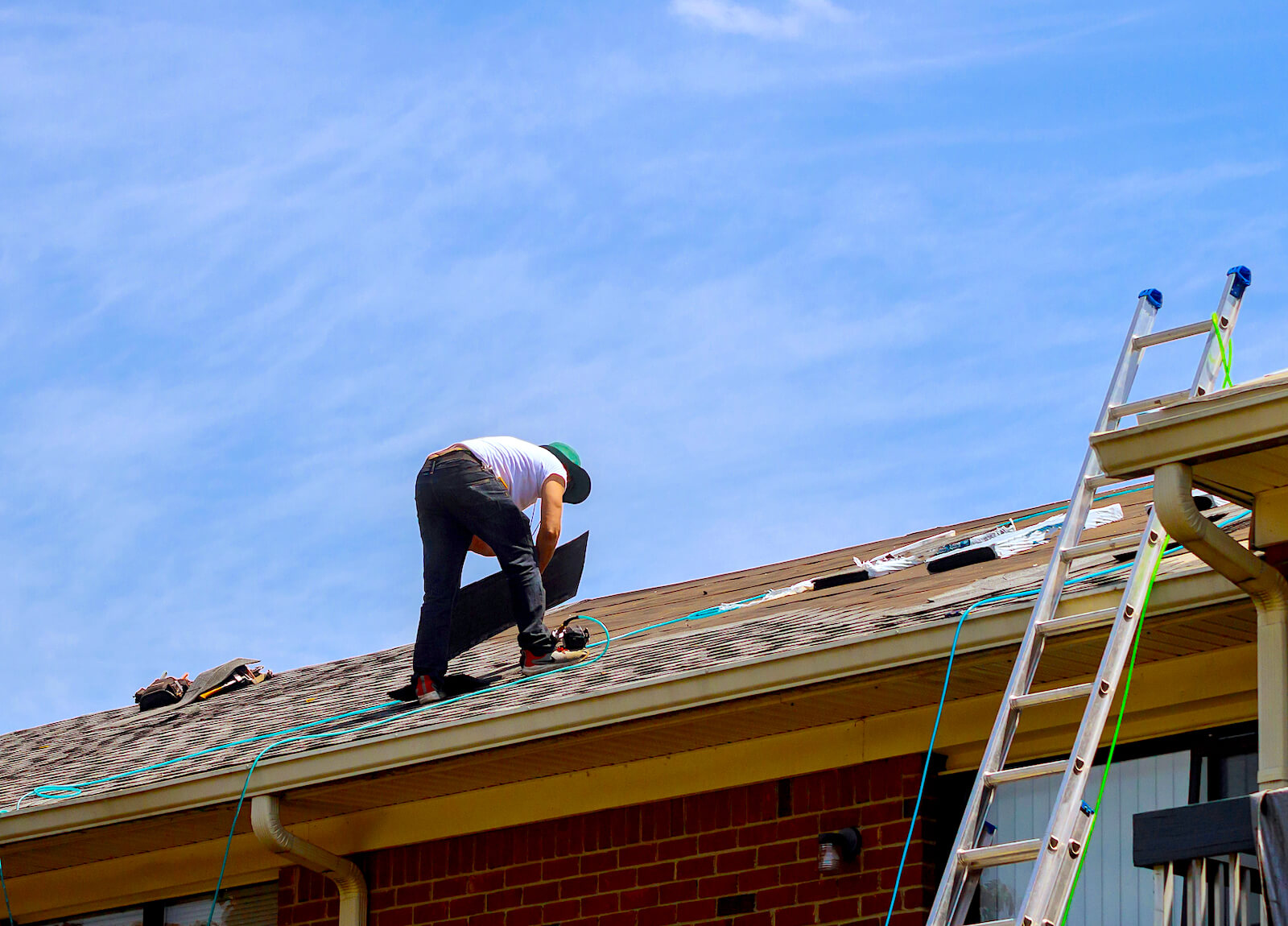
Roof Replacement Insurance ClaimIt costs anywhere from $5,000 to $50,000 to replace a roof, depending on the size of your home and the material used.
Unfortunately, insurance may not cover the full cost of repairing your roof in all situations.

Most home insurance companies now depreciate roofs. That means your insurance company pays you less money based on the age of your roof.

If a windstorm destroys your 15-year old roof, your insurance may only pay you $500 for the roof, and you now need to spend $10,000 on a new roof.

Check your policy carefully to ensure you have the roof coverage you need.

How to Get Covered: Maintain your roof regularly. Check your policy to make sure you understand your roof coverage. Check your roof for damage after hailstorms and windstorms. Or, have professionals check for damages.

The Cost of Rebuilding your Home

If your house is underinsured, then your insurer will not cover the full cost of rebuilding your home.

According to a recent industry survey, nearly 60% of homes in the United States are under-insured by at least 18%.

If a fire destroys your home, for example, then you might receive only a fraction of the compensation you need to rebuild your home.

Your insurer only needs to compensate you up to the limits of your policy. If you have a $400,000 policy for your $500,000 home, then your insurer still only provides $400,000 of compensation after a total loss.

Many homeowners are underinsured because they’ve made recent upgrades or repairs. Renovating your home could add significant value. If you didn’t update your insurance to match, then you may be underinsured, which means your insurer won’t cover the full cost of rebuilding.

How to Get Covered: Check your home insurance policy regularly to ensure it matches the full value of your home, including any upgrades or repairs you have made. Check building costs in your area. Consider getting a replacement value policy instead of an actual cash value policy for added compensation after a loss.

Service Lines

Insurance policies cover your house and most things inside your house. However, they don’t cover service lines coming into your home.

Your insurance policy covers the pipes inside your home, including leaking and burst pipes.

However, if a service line leaks or bursts, then it can cause significant damage to your lawn that isn’t covered by insurance.

Some policies do cover service lines. Other policies let you add service line coverage.

If you live in a condo or apartment, then service line coverage isn’t important. However, it’s more important for single-family homes, and you may want to check your policy for service line coverage.

It’s also important to check the condition of current service lines before buying a home. Ask for detailed inspections of sewage lines and drainage systems before you buy. If you detect damage before a sale, the seller may be required to fix this damage before closing, which could save you thousands of dollars.

How to Get Covered: Check for service line damage before you buy a home. Add service line coverage to your home insurance policy if concerned about potential costs.

Damage Resulting From Faulty Smoke Alarms and Other Safety Systems

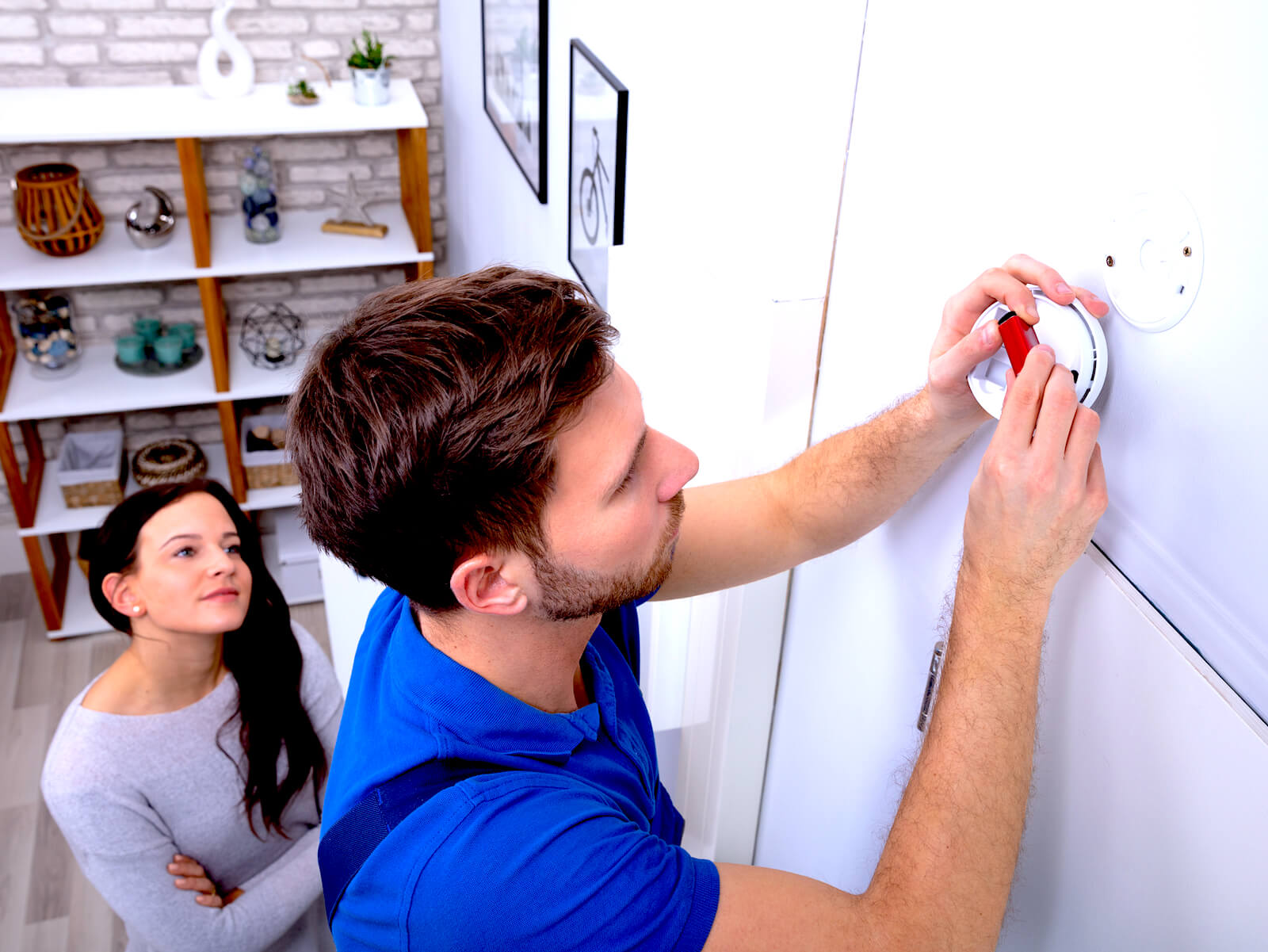
Fixing Smoke AlarmYou buy smoke alarms to alert you of a fire. If your smoke alarm malfunctions, however, then you still expect your insurer to cover the damages.

Unfortunately, that may not be the case: insurers may deny claims due to:

  • Faulty sprinklers
  • Missing smoke detectors
  • Smoke detectors with dead batteries or no batteries

You have a responsibility to maintain your home and all appropriate safety systems. If you failed to maintain your home’s safety systems, then your insurer could deny your claim.

Similarly, homeowners insurance companies may deny claims if you have certain safety feature discounts. If you asked for a hurricane-proof door and window discount, for example, without correctly installing hurricane-proof doors or windows, then your insurer could deny future wind damage insurance claims.

How to Get Covered: Maintain home safety features to avoid future claim denials. Check safety systems regularly. Use licensed professionals to install home safety features.

Break-Ins Caused by Faulty Security Systems

Just like homeowners insurance doesn’t cover damage caused by faulty smoke alarms and other safety systems, it also doesn’t cover break-ins caused by faulty security systems.

If you received a 15% discount on homeowners insurance for having a home security system, for example, then you’re expected to maintain that system throughout your policy.

If you failed to maintain your home security system, or if you disabled your security system and someone broke in, then your insurer could deny your claim.

How to Get Covered: Maintain your home security system, set it when you leave the house, and check it regularly – especially if your home insurance company has given you a home security system discount.

See More Here: 7 Things Homeowners Insurance May Not Cover

Friday, May 13, 2022

Does Homeowners Insurance Go Up After a Claim?

Keep reading to discover everything you need to know about how homeowners insurance premiums go up after a claim.

Homeowners Insurance Premiums May Increase Each Time You Make a Claim

Every time you file a homeowners insurance claim, your insurer is likely to increase your premiums.

Insurance is all about risk. If you have had homeowners insurance for 30 years without making a claim, then your insurer likely considers you a low-risk policyholder.

However, if you’ve had homeowners insurance for 10 years and have made 3 major insurance claims, then your insurer probably considers you a medium-risk or high-risk homeowner. Whether it’s your fault or not, you’ve had multiple major claims that have cost your insurer thousands of dollars.

You should expect to pay higher premiums for around 5 years after a claim.

How Much More Will I Pay?

Homeowners insurance premiums typically rise 15% to 35% after making a single claim.

If you make a second claim within a 5 year period, your premiums could rise another 60%.

According to the Insurance Information Institute, the average homeowner in the United States pays $1,249 per year for homeowners insurance.

You’ll pay higher or lower premiums based on things like:

  • Your location
  • Natural disaster risk in your area
  • Your history of claims
  • The value of your home and your possessions
  • Coverage options, including any additional coverages you may have purchased
  • Coverage limits

The most important factor in home insurance premiums is risk. Insurers consider how likely you are to make a claim.

The Severity of Each Claim Matters

Insurers don’t just consider the number of claims you have made; they also consider the severity of each claim.

If you made two claims for $3,000 in fire damage because of two small kitchen fires, for example, then your insurer will treat you differently than if you burned down your $300,000 home twice.

Insurers consider things like:

  • Claim history
  • Claim type
  • Claim amount

Insurers treat fires more seriously than weather-related claims, for example. Someone with two house fires in a 5 year span is a high-risk person to insure, while someone with two tornado insurance claims in a 5 year span may have bad luck.

Home Insurance Premiums Rise Nearly Every Year

Rise in Insurance Premiums

According to the III, homeowners insurance premiums rise around 3% each year.

However, homeowners insurance premiums may have risen even higher in recent years because of inflation.

Inflation leads to higher-value homes, more expensive home repairs, and more expensive material costs.

As inflation causes prices to rise, insurers need to raise premiums to compensate.

Although the average homeowner paid $1,249 for home insurance in 2018, that number could be closer to $1,500 today.

It’s not just inflation: bad weather is also causing insurance premiums to rise. As severe weather events become more common, insurers are raising rates to compensate.

Homeowners insurance companies may also raise rates because of rising theft or crime rates in your area. If the likelihood of a burglary has increased, for example, then your homeowners insurance company may raise your rates.

Some Claims Raise Premiums Higher than Others

Some types of claims are more likely to raise insurance premiums than others.

  • A single fire damage insurance claim, for example, will usually raise premiums by 25% to 35%
  • Insurers are generally less harsh with weather-related claims; if you make a claim for weather damage, then your premiums may only rise 10% to 20%
  • Theft, liability, and water damage claims are some of the worst claims for higher insurance premiums; you might expect to pay 20% to 30% higher insurance premiums after a theft, liability, or water damage claim
  • Making a second claim for fire, theft, liability, or water damage within a 5 year period could cause rates to rise 50% to 60%
  • Making a second claim for weather-related damage within 5 years may only cause premiums to rise 20% to 30%
How Do Insurers Check Your Claims Record?

When buying a new homeowners insurance policy, the insurer may ask about your claims history. How does the insurer verify your claims history? Can an insurer really check your previous fire damage insurance claims in a different state?

Yes, insurers can and do check your claims history.

Insurers check your claims history using the Comprehensive Loss Underwriting Exchange (CLUE) database.

CLUE is a nationwide registry of claims operated by LexisNexis, a consumer reporting agency. CLUE provides insurers with your previous five years of insurance claim history.

Whether you filed a claim in a different state or in your current state, it will appear on your CLUE record – as long as it occurred within the past five years.

If you’re unsure whether or not a claim appears on your record, request a copy of your CLUE report from LexisNexis.

When to Pay for a Claim Out of Pocket

You’ll likely pay higher insurance premiums after a claim. That’s why it may not always be in your best interest to file a claim. Instead, you may want to pay out of pocket.

When to file a claim:

  • If the cost of repair far exceeds your deductible, then you may want to file a claim. If it’s going to cost $10,000 to repair your damaged kitchen after a fire, for example, and your deductible is $1,000, then it might be in your best interest to file a claim.
  • You would also likely want to file a claim for any other significant damages or complete losses, regardless of your deductible. If your house burns down, or if a tornado destroyed significant parts of your home, then it’s almost always going to be in your best interest to file a home insurance claim.

Remember: insurance exists to protect you against unexpected events. Although you’ll pay higher rates after a loss, your insurer is still obligated to pay full compensation for your loss.

When not to file a claim:

  • When the cost of repairs and replacements is close to your deductible, it may not be worth it to file a claim. If someone broke your living room window, for example, and it will cost $1,200 to repair the window, then it may not be worth making a home insurance claim. If your deductible is $1,000 and your premiums will rise 20% to 30% after a claim, then it makes a lot of sense to cover the repair by paying out of pocket.
  • If you’ve made a claim in the last 5 years, you may want to pay out of pocket for the next claim, especially if it’s minor. Making a single claim can raise premiums by 15% to 35%. However, making a second claim could raise premiums another 50% to 60%. In this situation, you may be better paying out of pocket even for costlier claims.
  • If you’ve made 2 or more claims in the last 5 years, then it may not be in your best interest to make a claim. If you have multiple major home insurance claims in a short period, then your insurer could decline to renew your policy. That may mean you need to buy insurance from a high-risk provider.
Final Word: Do the Math When Facing Higher Premiums

Overall, you need to do the math.

Is it worth making a claim today and paying higher insurance claims in the future? Or am I better paying out of pocket and avoiding higher premiums?

It’s expected for Insurers to raise rates after a loss, and it may or may not be in your best interest to file a homeowners insurance claim.

Article Source Here: Does Homeowners Insurance Go Up After a Claim?