Friday, June 28, 2019

Everything You Need to Know About Hurricane Damage Insurance Claims

Hurricane Insurance Claim

Hurricane damage insurance claims can be messy. It’s easy to get confused over what is and is not covered. Today, we’re highlighting the successful strategies you can use to manage your hurricane damage insurance claim – and maximize your claim settlement from the insurance company.

Will Homeowner’s Insurance Policies Cover Hurricane Damage?

Some hurricane damage is covered by an ordinary home insurance policy, while other damage is not covered.

Typically, anyone who lives in a hurricane-prone area will need to purchase additional hurricane insurance to cover hurricane damage. Those who live near the southeast coast of the United States, for example, may not be automatically covered for hurricane damage under their normal home insurance policy.

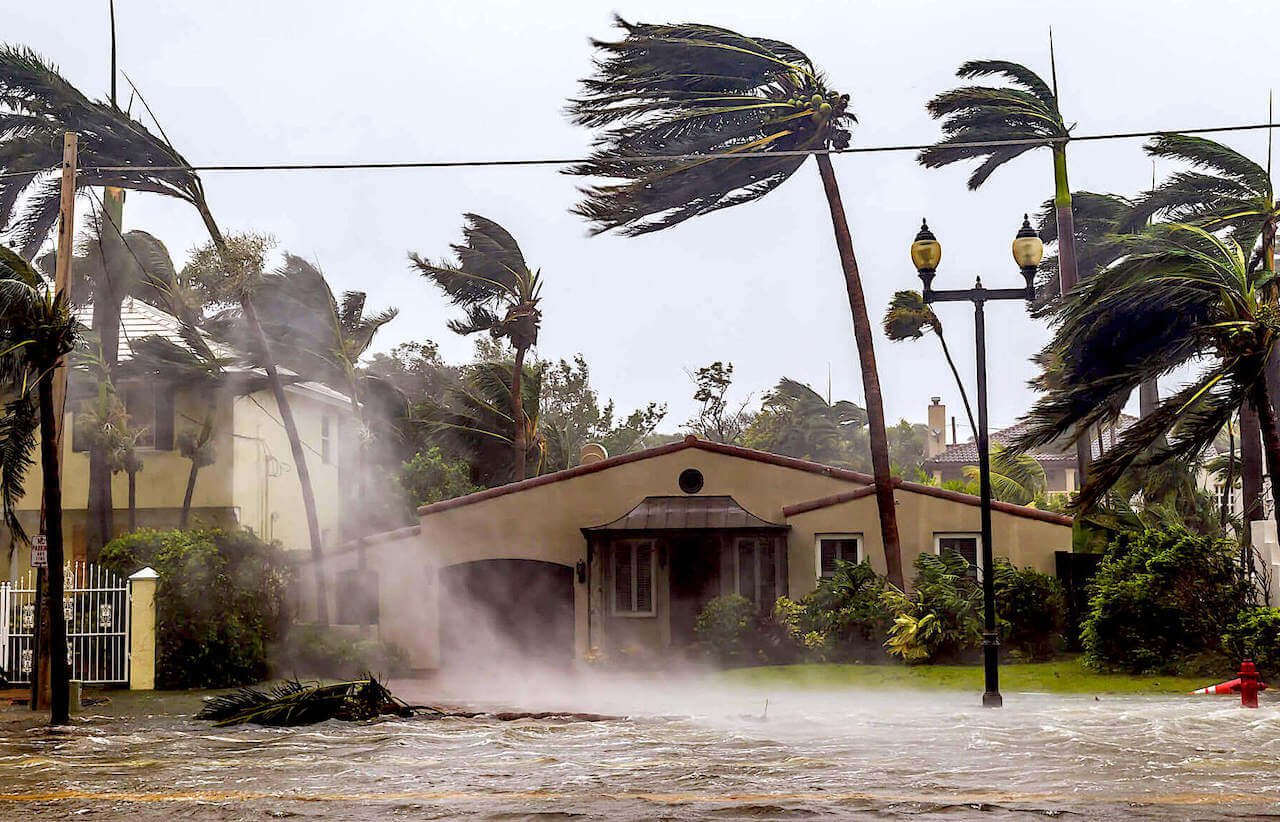
Additionally, the type of damage and how that damage was caused also affects whether or not it’s covered. Most home insurance policies cover wind damage, for example, but not all policies cover flood damage. Hurricanes can bring both high winds and flooding, which is one reason why hurricane damage insurance claims are complicated.

Whether you are covered for hurricane damage or not depends on:

  • The type of damage
  • How the damage was caused (flooding damage, wind damage, etc.)
  • The type of homeowner coverage you purchased (ordinary home insurance or a specific hurricane insurance policy)
  • Where you live

Based on all of these factors, your hurricane damage may or may not be covered. Read your home insurance policy to verify that you have hurricane coverage.

If you have suffered damage from a hurricane and need help determining if your property damage is covered or how to proceed, a public insurance adjuster can help with a free initial policy review and insurance claim case evaluation.

[big_contactus]

What is Hurricane Insurance? What Type of Insurance Covers Hurricane Damage?

If you live in a hurricane-prone area, then you will most likely need to buy two or more insurance policies to ensure your property is protected against hurricane damage.

Technically, there’s no single insurance policy known as ‘hurricane insurance’. Instead, you need to buy policies like windstorm insurance, flood insurance, and sewer backup insurance to ensure your property is protected during a hurricane. Policies that cover hurricane damage can include all of the following:

  • Homeowner, renter, or condo insurance (including endorsements for windstorm and sewer backup damage)
  • Windstorm coverage
  • NFIP Flood Insurance and Excess Flood Insurance (for homes worth more than $250,000)

The United States government introduced the National Flood Insurance Program (NFIP) through FEMA. Thanks to the NFIP, homeowners living in hurricane-prone areas can buy “flood insurance that covers hurricane storm surge” for their homes. Traditional insurance companies don’t provide coverage in these areas, which is why NFIP Flood Insurance and Excess Flood Insurance may be your best option.

Sewer Backup Damage After a Hurricane

Another thing that complicates hurricane damage insurance claims is sewer backup damage. Sewer backup damage may be covered if the source of the backup is heavy rainfall and you purchased a sewer backup endorsement as an add-on to your home insurance policy.

However, if the sewer backup is caused by a flood, and you do not have flood insurance, then your sewer backup damage may not be covered.

It’s also important to have endorsements on your ordinary homeowner’s insurance for sewer backup and windstorm damage. Sewer backup can occur after a hurricane.

Ask your insurance company about adding a sewer backup endorsement to your existing home insurance policy.

Types of Damage Caused by a Hurricane

Hurricanes can cause all different types of damage. Depending on the type of damage caused by a hurricane, your home insurance policy may or may not cover it. Common types of hurricane damage include:

  • Wind damage
  • Damage caused by heavy rainfall
  • Flooding damage
  • Storm surge damage
  • Tornado damage
  • Sewer backup damage

In many hurricanes, a home is damaged by multiple forces of nature. Your home might flood with sewer backup, for example, while your roof is destroyed by heavy winds.

Insurance companies will make their best effort to distinguish the different types of damage. They do this because each type of damage has a limit or maximum amount payable. Additionally, each type of damage is subject to a deductible.

In other words, if your home is damaged by both flooding and windstorm damage, then you may have to pay two different deductibles. And, if you use up coverage for one peril, then you may have to pay remaining damages out of pocket – even if you have leftover coverage for another peril.

Windstorm Deductibles and Hurricane Damage

Certain states have a special deductible for windstorm damage. In all of the following states, you can purchase an endorsement for windstorm damage. This windstorm damage will have a different deductible than your ordinary policy. Coverage limits and exclusions vary from state to state. However, having a windstorm deductible makes it more likely that hurricane damage will be covered.

All of the following states have a special deductible for windstorms: Alabama, Connecticut, Delaware, Florida, Georgia, Hawaii, Louisiana, Maine, Maryland, Massachusetts, Mississippi, New Jersey, New York, North Carolina, Pennsylvania, Rhode Island, South Carolina, Texas and Virginia.

You Can’t Buy Hurricane Insurance When a Storm is Days Away

Some homeowners in hurricane-prone areas think they’re clever when they wait to buy hurricane insurance until a hurricane is in the forecast.

Unfortunately for these homeowners, most insurance companies have a 15 day waiting period on things like windstorm insurance. Because of that 15 day waiting period, you cannot buy ‘hurricane insurance’ as a hurricane is bearing down on the coast. Once a tropical storm or a hurricane enters your area, coverage can’t be placed until the storm passes.

Similar rules exist for flood insurance. Typically, there’s a 30 day waiting period before coverage takes effect.

Additionally, most insurance companies temporarily stop selling all hurricane-related damage insurance before a hurricane watch. Laws vary between insurance companies and states. Generally, however, you will not be able to purchase any hurricane-related insurance policies within 48 hours of the start of a hurricane watch. Even if you are able to purchase a policy, the policy may not be active until after the hurricane has passed.

Hurricane Insurance Claim Tips

1. Consider Buying Insurance Even in Low-Risk Zones: Approximately 25% of insurance claims paid out by FEMA each year are for homes in low-risk zones. Some homeowners avoid buying insurance for hurricane damage because they live in a low-risk zone. In reality, it may be in your best interest to buy hurricane insurance if you’re in any hurricane-prone region.

2. Hold Hurricane Insurance Year-Round to Avoid Exclusions: Insurance companies stop selling flood insurance and windstorm insurance in the days before a hurricane watch begins. Additionally, flood insurance and windstorm insurance may take 15 to 30 days to be activated. Because of these restrictions, you cannot buy ‘hurricane insurance’ in the days leading up to a disaster. Hold it year-round to make sure your property is protected.

3. Keep Track of Meal and Accommodation Expenses After a Hurricane: Home insurance covers more than just the cost of repairing your home to pre-loss condition. Home insurance also covers your living expenses – say, if your home is uninhabitable after a disaster. Keep track of additional living expenses such as lodging and meal expenses in the days and weeks following a hurricane if your home is unsafe or uninhabitable.

4. Prepare for a Higher Deductible with Hurricane Damage: An average home insurance policy has a deductible of around $500. Hurricane insurance, however, has a much higher deductible. In many cases, hurricane insurance deductibles are based on a percentage of the total claim. You may need to pay 2% to 5% of your coverage amount before receiving a hurricane insurance payout.

5. Consider Hiring a Public Adjuster for Hurricane Damage Insurance Claims: A public adjuster is an insurance industry professional on your side that specializes in property damage insurance claims. Public Adjusters are dedicated to properly managing your insurance claim from beginning to end. A good public adjuster takes over your claim, negotiating with the insurance industry on your behalf to simplify the claim process and obtain an honest, justified claim settlement. Hurricane insurance claims can be complicated. With that complication and widespread damage comes increased chances for claims to be delayed, underpaid or denied.

Public adjusters provide expert help with hurricane claims while ensuring you receive fair treatment and your damage is covered under the terms of your insurance policy - so that you can make the necessary repairs to recover from a loss.

[dynamic_contact_us text="Contact A Public Adjuster"]

Final Advice on Hurricane Insurance Claims

Countrywide, approximately 7 million homes are at risk for hurricane storm surge damage alone. Millions of additional homes can be damaged by flooding, wind damage, storm damage, and other hurricane-related issues. Whether on the coast or hundreds of miles inland, you may be at significant risk for hurricane damage.

Follow the guide above to ensure your home insurance covers hurricane damage. Or, if you’re struggling to get hurricane damage covered after a disaster, then consider hiring a public adjuster with ClaimsMate. Hurricane insurance claims can be tricky. A public adjuster could be the difference between getting hurricane damage covered – or being forced to pay hundreds of thousands of dollars in repairs out of pocket.

Source Here: Everything You Need to Know About Hurricane Damage Insurance Claims

Wednesday, June 19, 2019

Finding And Hiring A Public Insurance Adjuster Near You

When struggling with an insurance claim many policyholders search to find and contact a public insurance adjuster. Finding the best public adjuster near you can provide several benefits. See tips for finding and hiring a public adjuster.

Originally Published Here: Finding And Hiring A Public Insurance Adjuster Near You

Tuesday, May 28, 2019

Dealing With Roof Damage Insurance Claims And Roofing Inspections

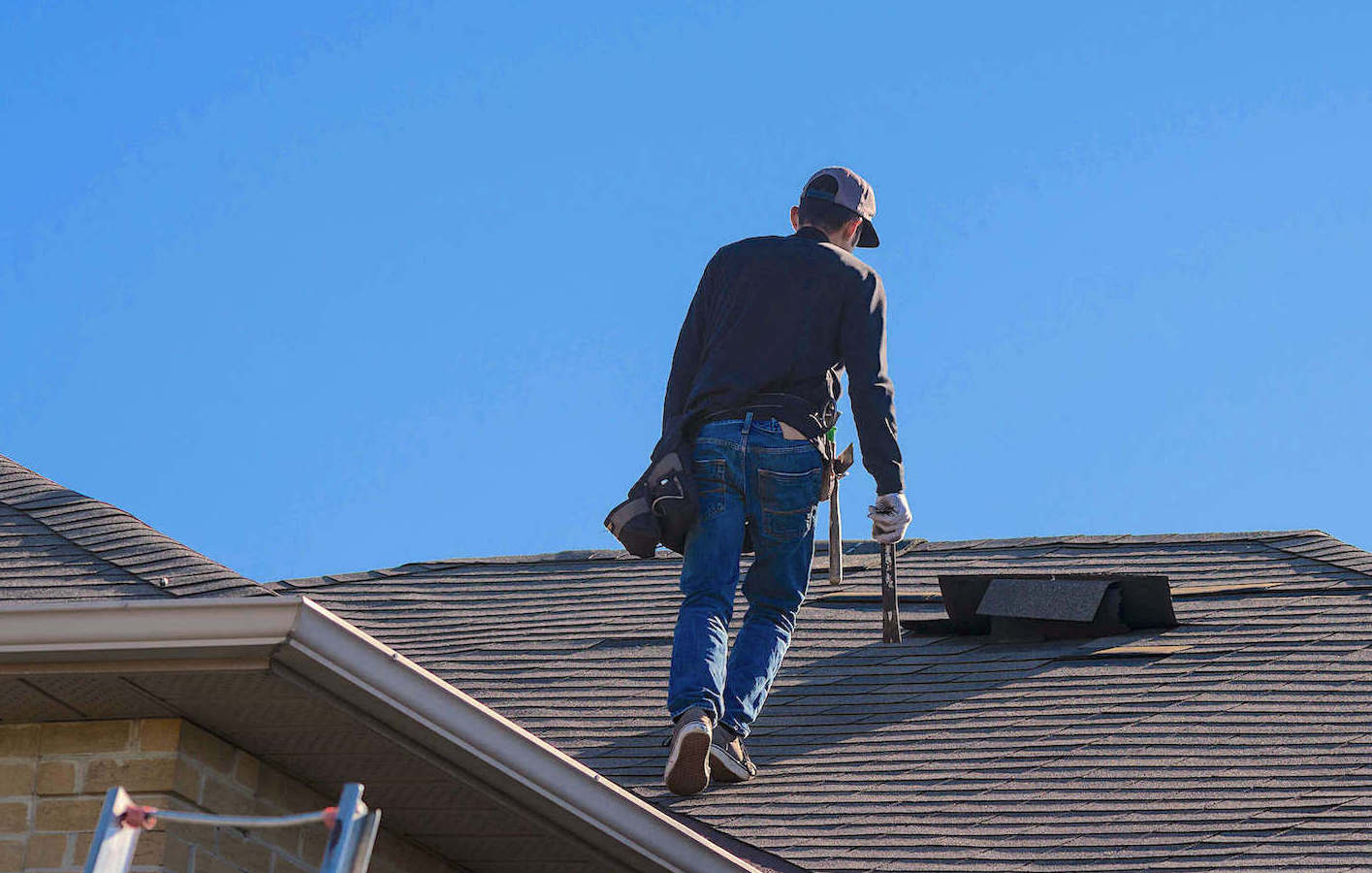
Inspecting Roof Damage for Insurance Claim

Roof damage insurance claims can be tricky. Some roof damage is always covered by a home insurance policy, while other roof damage is not. We’re providing the most crucial tips you should know about roof insurance claims, dealing with a roof insurance adjuster, and handling a roof inspection.

How Roof Damage Insurance Claims Work

Most home insurance policies cover unexpected roof damage. If your roof was damaged in a storm or by fallen debris, then your home insurance should cover the cost of repairing your roof to its pre-loss condition.

However, roof damage insurance claims aren’t always that easy. Some insurance policies have stipulations about the age of your roof. If your roof is less than 10 years old, for example, then the full value of your roof will be covered. If your roof is older than 10 years, then the insurance company will only reimburse you for the depreciated value of your roof.
With that in mind, here’s how a typical roof damage insurance claims work:

Step 1) A windstorm or hailstorm hits your area. You check your roof after the storm and find significant damage.

Step 2) Secure the scene and limit further damage. If there’s a hole in your roof, for example, then put a tarp over the hole to prevent further flooding or damage within your home.

Step 3) Contact your insurance company’s 24/7 claims line to begin the claims process. Your insurance company will setup a claim number for you and provide further instructions.

Step 4) If your roof is severely damaged, then the insurance company might recommend getting a restoration company to your location immediately to secure the scene and limit further damage.

Step 5) The insurance company sends an adjuster to your house to inspect your claim, assess the damage, and determine what is and is not covered.

Step 6) The insurance company processes your roof damage insurance claim, covering the cost of repairing your roof to its pre-loss condition, or replacing your roof, according to the terms of your policy.

This is how a roof damage insurance claim will be processed in an ideal situation.

In many cases, the insurance company will dispute certain aspects of your insurance claim. In this case, you might want to hire a public adjuster to handle your insurance claim and ensure you receive the maximum possible amount of compensation.

What Type of Roof Damage is Not Covered by Home Insurance?

An average homeowner’s insurance policy usually covers things like roof leaks and other roof damage. If your roof is damaged by fire, hail, or wind, then your home insurance should cover the costs of repairing that damage. If that fire, hail, or wind causes a leak in your roof, then home insurance should cover the cost of repairing the roof and any other damage caused by that leak.

However, there are certain types of roof damage that will not be covered by home insurance, including:

  • Wear and tear damage on an older roof
  • Damage caused by unresolved maintenance issues; if your roof has been leaking for years, for example, and you have ignored it until recently, then you may not be able to claim damages caused by that leak.
  • Roof damage caused by wind and hail if your home insurance policy has wind and hail exclusions. See important tips for roof hail damage here.
  • Damage caused by failing to take immediate action after a storm, like failing to put a tarp over the hole in your roof in the days following an accident, leading to more water damage.

Consult your home insurance policy to determine what is and is not covered by your home insurance.

Tips for Handling Roof Inspections and Roof Repair Estimates

Getting an accurate roof inspection when filing a claim is crucial.

An accurate roof damage estimate creates a good foundation for the rest of your insurance claim, helping you get the exact amount of money you need from your insurance company to repair your roof to its pre-loss condition. A bad estimate, on the other hand, can jeopardize your claim entirely.

We recommend contacting a public insurance adjuster or an independent roofing contractor to get an estimate on your roofing damages. An independent contractor can safely get on your roof, inspect the damages, and tell you how much it will cost to repair or replace your roof.

Alternatively, many public adjusters specialize in roofing inspections. Instead of hiring a contractor and a public adjuster, you can just hire a public adjuster to handle all aspects of your claim.

Your insurance company should also send an adjuster to your property. The insurance company’s adjuster will perform the same inspection.

Insurance Companies and Public Adjusters Might Disagree With Each Other’s Estimate

Ideally, the roof repair estimate from your insurance adjuster and the estimate from a public adjuster will be roughly equal. However, the two parties might disagree over certain aspects.

The insurance company’s adjuster might challenge that some roofing damage was not caused by the recent storm – it was pre-existing damage from a previous storm, for example. Or, the insurance adjuster might claim you failed to take adequate steps to protect your roof. Maybe a dead tree fell on your roof in a wind storm. The insurance company might claim that you should have removed that tree long ago.

When disagreements arise over roof damages, consider hiring a public adjuster to resolve the dispute.

[big_contactus]

How Much Damage? Repairing Versus Replacing your Roof

After the estimate, you can choose to repair or replace your roof.

A minor storm might have only damaged a few shingles. The shingles can safely be replaced without issue.

If the damage affects a larger, more conspicuous area of your home, however, then you may wish to get your entire roof replaced. Depending on how much damage, the age, and type of roof, a full roof replacement may be the best choice for your situation.

Your insurance will cover the cost of repairing or replacing the damaged section of your roof, but you may want to pay to replace the rest of the roof out of pocket.

The roofing contractor or an experienced public adjuster should be able to help you decide whether to repair or replace your roof. The contractor will examine both the exterior of your roof and your attic to determine the extent of the damage. If there’s moisture or water damage, for example, or if you have an older roof, then it may be worth replacing the roof.

How to Inspect your Roof Properly

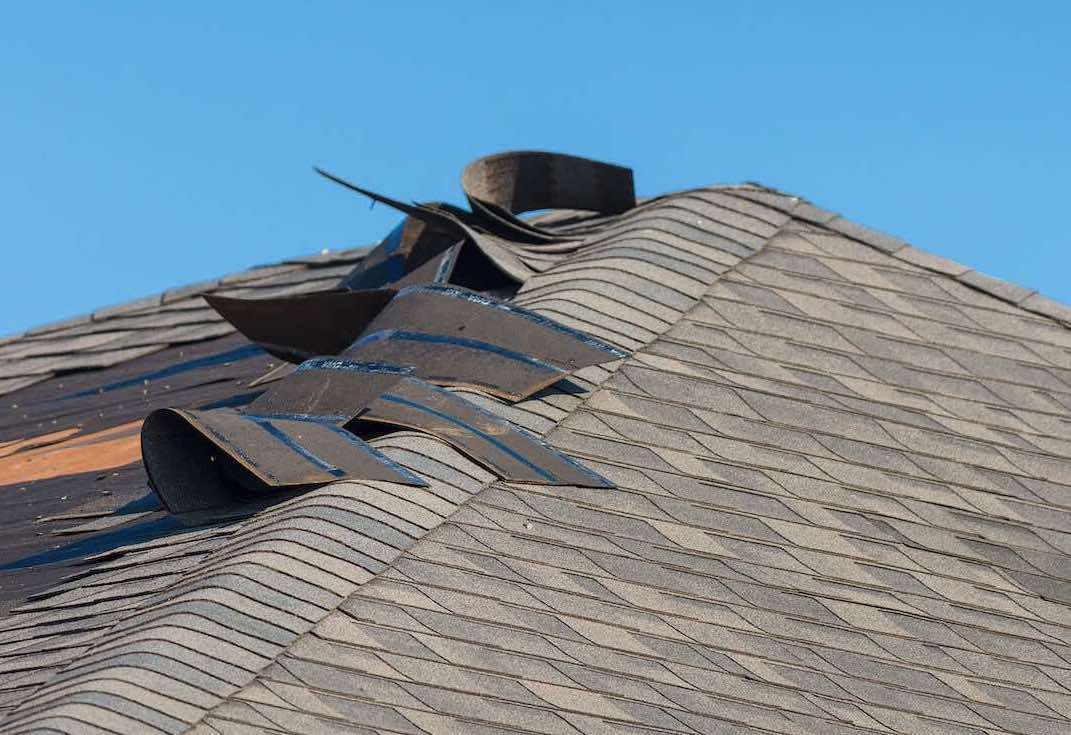
Home Roof With Wind Damage to ShinglesRoof experts recommend performing a roof inspection twice a year. You should also inspect your roof after every storm or severe weather event such as hail or a windstorm. Remember: It can be crucial to have a thorough and proper inspection of your roof when making an insurance claim for damages. Here are some easy ways to inspect your roof before a professional inspector arrives:


  • Walk around the exterior of your home, inspecting the roof for signs of physical damage – like sagging sections or broken shingles. Make note of any spots that need further inspection. A pair of binoculars are very helpful for this.
  • Take a close look at spots with moss, algae, or piles of leaves. Moisture can build up within these areas, causing significant water damage underneath.
  • Watch for missing, damaged, cracked, or aged shingles. Shingle problems are the leading cause of roof damage. A missing patch of shingles can cause water to enter your home. They’re also an eyesore.
  • Check shingles closely to see if the granules are missing. The granules of shingles play an important role in the ability of shingles to naturally protect your home. If the granules are missing, your shingles may need to be replaced.
  • Look for shingles that are buckled, curled, or warped. In hot climates, warm air in the attic can penetrate the ceiling and cause your shingles to buckle.
  • Get into your attic, if possible, and look for signs of water penetration underneath the roof.

If you spot signs of damage, or if you do not feel comfortable getting up onto your roof, then we recommend contacting a roofing contractor as soon as possible to inspect the damages. The sooner you contact a roofing contractor, the sooner you can initiate the claims process with your insurance company.

Tips for Dealing with a Roof Insurance Claim

Collect Documentation: It’s important to document everything when dealing with a roof damage insurance claim. Take pictures of all the damage and take as many pictures as possible. If your roof was damaged by hail, then take pictures of the biggest hailstones you can find on the ground after the storm, using a tape measure or a golf ball to give the photo scale. Provide documents indicating the cost of the roof, if possible, and any other supporting evidence.

Order an Independent Assessment from a Roofing Contractor: In some cases, an insurance company might dispute your roof damage insurance claim, saying that your roof does not have sufficient damage to warrant a claim. In this situation, it may be in your best interest to schedule an estimate with an independent roofing contractor. The roofer can assess the damage to determine any roof repairs needed and how much it should cost to restore it to pre-loss condition.

Choose a Roofing Contractor with Experience: Just like any other service or professional, experience goes a long way. If your roof damage claim is covered by insurance, then it’s best to choose a roofer with experience in dealing with roof repairs covered by insurance claims. In many cases, your insurance company will recommend a specific roofer to work with. A roofer with insurance claim experience will have a better idea of what is covered and be better equipped to handle the needed repairs in a timely fashion when a complicated insurance claim process is involved.

However, keep in mind that in almost every state it is illegal for your roofing contractor to negotiate or handle your insurance claim. State licensed Public Adjusters or Attorneys are the only professionals allowed to adjust claims in most states.

Avoid Signing a Contingency Contract: Some roofers try to get homeowners to sign a contingency contract prior to an inspection. This contract authorizes the roofer to handle your roof repairs if the insurance claim is approved. Some less-trustworthy roofers will disguise a contingency contract as an inspection report. By signing this report, you may be agreeing to give the job to that roofing company. Watch for shady roofing companies and be careful what you sign.

Consider Hiring a Public Adjuster: Insurance companies might refuse or lower your insurance claim, forcing you to pay costly roof repairs out of pocket. In this case, you may wish to find a public adjuster to assist with your claim. Public adjusters are insurance experts who understand exactly what is and is not covered by insurance companies. They negotiate with the insurance company on your behalf to ensure your roof damage claim is covered properly. Most experienced public insurance adjusters also perform their own roof inspections and know exactly how to properly handle your roof damage claim from start to finish.

[big_contactus]

What Happens If My Roof Damage Insurance Claim is Denied?

Insurance companies lose millions of dollars to insurance fraud every year. When it comes to roof damage insurance fraud, a homeowner might falsely try to claim certain damages even though the damages were unrelated to the latest storm.

Let’s say you have a 20-year old roof in poor condition. The shingles have been deteriorated by wear and tear over time. A storm hits your area. A few branches fall on your roof. It’s windy and rainy. Hail hits your roof and causes minor damage. You might try to claim that your roof was damaged during the storm, when in reality, most of the damage was there before the storm.

In the above situation the insurance company will likely deny your claim – or at least substantially reduce your payout. Remember: the goal of home insurance is to restore your property to its pre-loss condition. That doesn’t mean you get a brand new roof because a few branches fell on your old roof.

However, there are situations where an insurance company will reduce or deny your claim even if the claim is legitimate. The insurance company might claim that you’ve committed fraud, for example, when your roof really did experience significant damage in a recent storm. In this case, it may be in your best interest to hire a public adjuster or insurance attorney who specializes in roof damage insurance claims.

Final Word On Roof Damage Claims

Roof insurance claims can be tricky. Insurance companies want to limit the amount they pay for your roof – especially if you have an older roof with pre-existing damage. To ensure your roof damage gets covered appropriately, you can contact a public adjuster. A good public adjuster will manage your claim from beginning to end, negotiating with the insurance company on your behalf to ensure your roof damage insurance claim is handled properly.

[big_contactus]

Post Source Here: Dealing With Roof Damage Insurance Claims And Roofing Inspections

Monday, May 6, 2019

Our Best Burst Pipe Insurance Claim Tips For Water Damage Claims

Burst Pipe Insurance Claim Tips

Dealing with a burst pipe insurance claim can be frustrating. A burst pipe can quickly cause thousands of dollars in water damage. Making matters worse, some insurance companies will refuse to cover certain burst pipe damages.

Today, we’re explaining everything you need to know about burst pipe insurance claims, including how to handle claims, how to maximize your insurance payout, and how to proceed with the claim process.

Top 6 Signs a Pipe Has Burst in Your Home

A burst pipe isn’t always as dramatic as it sounds. In some cases, a burst pipe may start with a small leak. This leak from a broken pipe can go unnoticed for days or months, silently filling your home with moisture and mold. The sooner you spot a burst pipe, the sooner you can limit damages from water. Here are six early warning signs indicating that a pipe has burst in your home:

Listen: Do you hear a bubbling, whistling, banging, or clanking sound when turning on the water in your home? Do your pipes make a funny noise when flushing the toilet or turning on the sink? If so, then it could be the sign of a broken pipe.

Strange Odors: A burst pipe can often cause strange odors in your home. Do a sniff test when using your pipes. Is there a strange odor coming from your sink or toilet when you flush it? Does your washing machine have an odd smell when it fills with water? All of these could be signs of a burst pipe.

Look for Water Damage and Discoloration: Water damage can be found on our ceilings and walls. It might appear as a small discoloration mark at first before turning into a bigger, more noticeable mess.

Bulging: Your walls and ceilings could start to bulge after being affected by water damage. Watch for unusual bulges in your walls, as they could be the first signs of a serious burst pipe problem.

Higher Water Bill: One of the most obvious signs of a serious burst pipe problem is a higher-than-usual water bill. If your water bill has suddenly skyrocketed, then it could mean you have a burst pipe.

Low Water Pressure: A burst pipe can lower the water pressure throughout the rest of your house. If you suddenly notice a lower water pressure when showering, bathing, or using other plumbing, then it could indicate that a pipe has burst or is broken.
Certain times of the year are more prone to burst pipes than others. Pipes may freeze in the winter when temperatures plunge, for example, causing cracks and leaks.

How to Handle a Burst Pipe Insurance Claim

Discovering a burst pipe in your home can be a scary experience. Sometimes, it’s a long, slow leak that has caused significant damage over time. In other cases, a burst pipe is an emergency situation that requires immediate action.

With plumbing throughout a house there are many opportunities for a broken or burst pipe to cause damage. You may experience a burst pipe under the house or in the basement, or a slow leak behind a wall from a broken pipe.

These various situations may leave you wondering if homeowner's insurance covers pipes that burst or water damage from a broken pipe. Typically, homeowner's insurance does cover water damage from burst pipes. However, this will always depend on your specific insurance policy and the exact scenario with the broken or burst pipe. Generally, the water damage caused by a pipe must be sudden and accidental for coverage to apply. So, a burst pipe would usually be covered, but a slow leaking pipe that went unnoticed may not be covered.

If you need help figuring out coverage for your exact situation with water damage from a leak, broken pipe, or a pipe that burst, a licensed public insurance adjuster can evaluate your policy language and claim to provide industry expertise for your specific insurance claim.

Whatever type of burst pipe problem you are dealing with, these tips for filing a burst pipe claim should help:

Step 1) Call your Insurance Company
Your insurance company understands that you need to move fast when handling a burst pipe insurance claim. If you contact your insurance company and explain the situation, then they will typically recommend several local water damage remediation and restoration companies, including 24/7 emergency services that can arrive on-site to fix your water damage problem.

Step 2) Get the Situation Under Control
The water damage remediation company should arrive on-site quickly to tackle the problem. Typically, the water damage remediation company will take over damage control from here. They can turn off your water (if you haven’t already done so). They can setup fans and other equipment to dry out your home and prevent mold.

Step 3) Contact a Public Adjuster or Independent Contractor
At this point, some homeowners choose to contact a public adjuster or an independent contractor. A public adjuster is often your best course of action as they will interpret your insurance policy and find the appropriate coverage for your situation. An independent contractor can assess the damage to your home, then provide a fair estimate for a burst pipe repair cost based on that information, but based on most state laws they are unable to fight your insurance company for full coverages allowed by your policy. Only a licensed public adjuster can negotiate with the insurance company on your behalf, fighting for every penny owed to you under the terms of your insurance contract.

[big_contactus]

Step 4) Begin the Remediation Process
At this point, the restoration company can begin restoring your property to its pre-loss condition, cutting out mold-damaged walls and fixing your burst plumbing.

Step 5) Finalize your Insurance Claim
Your insurance company is required to compensate you for the cost of restoring your home to pre-loss condition. Your insurance company will send a claims adjuster to assess the damage, identify the root cause of the damage, and type up a claim.
In some cases, the insurance company will approve some repairs, but not others. The insurance company will cover whatever damage was legitimately caused by your burst pipe, but they might dispute other damage – like pre-existing problems with your home, which they are not required to cover.

Step 6) Maximize your Insurance Claim
Remember: insurance companies often offer a low initial settlement hoping that the homeowner will avoid disputes or negotiations. The insurance company often assumes that the policyholder is not going to ask for additional coverage or negotiate the claim.
This is where a public adjuster can be worth his or her weight in gold. A public adjuster evaluates your claim and negotiates with the insurance company on your behalf to ensure everything is covered. The goal is to maximize your insurance company payout and secure the highest possible settlement for the client. Public adjusters know the industry better than anyone, and most have handled hundreds of burst pipe claims in the past.

More Tips for Maximizing a Burst Pipe Insurance Claim

A burst pipe insurance claim can be a hassle. Insurance companies often drag their feet at covering certain damages. Here are some tips for maximizing your insurance payout with a burst pipe claim:

Document Everything: The more photos you take, the better. Make a list of all damaged inventory and the approximate values. Take photos of all water-damaged furniture, items, possessions, and other materials. If you don’t have proof an item was damaged by the burst pipe, then your insurance company may refuse to cover it. Don’t throw anything away until your insurance company has approved it to be replaced.

Negotiate the Claim: Before you accept the quote from your insurance company, consider hiring a public adjuster to assess the damage. Make sure you are receiving fair value for your burst pipe damage repairs. Even after you accept a quote and receive a check from the insurance company, you can still go back and re-negotiate – say, if you find repairs or fees that were overlooked in the recovery process, or if you forgot to include certain damaged items.

Use All of Your Coverage: Homeowners insurance doesn’t just cover the cost of repairing your home to pre-loss condition. It can also covers things like meals, transportation, and lodging reimbursement when your home is in unlivable condition. In the insurance industry these are called additional living expenses. A burst pipe problem may force you to move to a hotel for a week. You may need to dine out for meals. Keep track of all expenses during this period. Make sure you use all of your home insurance coverage. After all, you’re paying for it.

Conclusion

Water damage from a burst pipe is the second most-filed insurance claim in the United States. The average residential claim for a burst pipe is approximately $10,000. When a pipe bursts in your home, follow the guide above to ensure you manage the claim efficiently while securing the maximum possible compensation from your insurance company.

Article Here: Our Best Burst Pipe Insurance Claim Tips For Water Damage Claims

Monday, April 22, 2019

Insurance Claim Help: Tips For Negotiating The Best Settlement With Any Insurer

Help With Negotiating Insurance Claim Settlement
Most homeowners aren’t experts at dealing with insurance companies, initiating a claim or negotiating insurance claims. Typical homeowners only ever have to make one or two major insurance claims – if any. Fortunately, there are plenty of tips, tricks, and strategies you can use to help negotiate the best settlement with your insurance claims adjuster and make sure that you are fully paid for all of your property damages, even if you’re a complete beginner.

Keep reading to discover the best insurance claim help, tips, strategies, and advice, including how to negotiate the best settlement with any insurer.

Make Sure It’s in Your Best Interest to File A Property Insurance Claim

Your home insurance premiums will likely increase after you file a home insurance claim. In many states, you can expect premiums to jump anywhere from 15% to 30% after a single home insurance claim.

Because of these higher premiums, it may not be in your best interest to file a home insurance claim for ‘incidental’ incidents. Home insurance companies call small home insurance claims ‘incidentals’. These claims will raise your premiums just like a larger claim, but they’re relatively minor problems.

The more home insurance claims you have within a seven year period, the higher your insurance premiums will be. Home insurance companies are able to access your entire insurance history by looking at your Comprehensive Loss Underwriting Exchange report, or CLUE report.

Some insurance experts recommend raising your deductible to 2% of your policy limits and only using your home insurance for incidents that cost more than your 2% deductible. You should then set up an emergency fund to cover incidental claims that are lower than the 2% deductible. Rely on your home insurance policy for major incidents.

At the same time, it is important to note that insurance rates may increase after a natural disaster in your area, whether you file a claim or not.  If everyone around you is getting a new roof and you neglect to have your roof covered at that time, but see an increase in your premium, then you just paid for your neighbors’ new roof.  While the insurance company can’t raise individual rates for a weather-related claim, it can raise rates in that whole territory due to the number of claims that were filed. So, it is important to use your insurance when it is needed for a weather-related claim. You will most likely see a rise in rates whether you file a claim or not.

Read Your Policy Before Making a Claim

Most homeowners don’t have expert knowledge of their home insurance policies. You might have a basic understanding of your home insurance coverage, including what’s covered and what isn’t. But your insurance contract has plenty of fine print that can cause your claim to be denied or underpaid if certain items are excluded in your policy language.

Read your policy after an incident before you make a claim. Negotiations with your insurance company are easier when you’re well-prepared. Check your policy for specific sections governing your latest incident – like a section on flood damage or wind damage.

Ideally, you’ll read your insurance policy before an incident to understand what is and is not covered. If you attempt to read and understand your policy and you find that you are left confused, then it is best to seek help from a Public Adjuster to interpret your policy language for you and make suggestions on how to better cover your home for the future. You may be surprised you have no hurricane or flooding insurance, for example. It’s best to know this before you face a major incident.

Arrange For An Inspection Of Your Property With A Public Adjuster To Help With Negotiations

Your insurance company might calculate a repair estimate in a different way than other parties. After you file a claim, an insurance company adjuster will arrive at your property to assess the damage. Sometimes, the insurance company might claim it will only cost $10,000 to repair your water-damaged flooring when in reality, it’s going to cost $20,000 from any local contractor. So you may need to be prepared with how to respond to a low settlement offer.

Talk to a local general contractor to get an estimate on how much repairs can be expected to cost. Or, talk to a specialist – like a flooring company or roofing contractor. Many of these specialists provide free estimates, allowing you to get accurate information on how much your repairs will cost.

Once you have an idea of the cost for repairs, if the insurance company has sent you a "low ball" offer it is time to have a Public Adjuster assess the damage. In most states, the Public Adjuster is not allowed to charge a fee unless they are able to recover more money for you, so this is generally free expertise advise on your exact situation.

If your insurance company instructs you to get three bids from local contractors and turn them in, this is usually in their best interests - not yours.  Insurance companies work in the same software as Public Adjusters do and the pricing for repairs is updated monthly based on zip code and supply and demand in that area. In most states, contractors are not allowed to “negotiate” with the insurance company or “interpret” policy language to make sure that all damages,  both those that are immediately evident and those that could occur as a result of what you can see, are properly paid for.

[big_contactus]

Important Tip: Call the Police Whenever Necessary

If a crime has been committed on your property, and you need to file a home insurance claim, then you need to contact the police for a police report. Some of the situations where you may want to file a police report include:

  • Arson
  • Theft, Robbery or Burglary
  • Vandalism or deliberate damage to your home or business

Failing to file a police report after an incident like this can cause your claim to be treated with suspicion or violate terms of your insurance policy contract.

Take As Many Photos As Possible

This is one of the best insurance claim tips we can give. The more photos and videos you take of the damage, the more supporting evidence you have to maximize your insurance claim.

If your home has suffered hail damage, for example, take a photo of a hailstone beside another object to provide a sense of scale. Take clear, well-lit photos of damage from as many angles as possible, and try to keep photos organized in a systematic order. A single photo might be the difference between maximizing your insurance claim payout or having your claim rejected.

Be Present when the Insurance Company’s Adjuster Inspects the Property Location

Make sure you’re on-site when the insurance company’s adjuster comes to visit your property. You can explain exactly what was damaged. You can walk the adjuster through your property and ensure the adjuster takes note of everything.

When the insurance adjuster arrives at your property, give the adjuster a document explaining the damages from your point of view. While large losses usually require a Public Adjuster, more evident damage, like damage caused by a hail storm to your roof, can usually be handled on the first inspection if the adjuster is knowledgeable and thorough with his inspection..

Be Careful with What You Say to the Adjuster

Your insurance company’s claims adjuster is a salaried employee or hired contractor of your insurance company. The insurance company’s adjuster typically wants to help your insurance company pay out the lowest amount legally required on your insurance claim. That’s why it’s crucial to limit what you say to the adjuster.

Answer any questions the adjuster has with a simple yes or no. You are contractually obligated to cooperate with your insurance company and the adjuster (it’s written in your insurance policy). However, you are not required to offer information that is not asked of you.

If you feel uncomfortable with any of the questions that are being asked, it is okay to say “I am not sure, can I get back to you on that?” and then seek the advice of a Public Adjuster. Some statements and questions may seem innocent, but they can cause your claim to be reduced or even denied. Also read our in depth tips on how to properly deal with a home insurance adjuster.

Be Prepared For Misinformation & Negotiations

Many insurance company adjusters are personable: they arrive at your property, they seem sympathetic, and they may assure you that everything is going to be okay.

Then, a week later, you might get a call from your insurance company indicating your claim has been rejected or reduced.

Every time you file a claim with your insurance company, you immediately position yourselves as adversaries with different goals:

  • You, the policyholder, wants the highest possible payout according to the terms of your insurance contract
  • Your insurance company wants to pay you the lowest amount they’re legally obligated to pay, based on the terms of your insurance policy

Don’t let your insurance company lull you into a false sense of friendliness. Don’t fall for the "I'm here to help" act. Sure, some insurance companies are genuinely personable and happy to cover your claim, but others use friendliness as a powerful negotiation strategy. Approach your insurance claim like a business deal: you’re seeking a settlement with a for-profit corporation.

You should not have to “negotiate” anything like the terms of your agreement with the insurance company that are already spelled out in the language of your policy. Always seek to be fully indemnified for your loss, do not “negotiate” or settle for any less than what is fully owed to you.

Document Everything Related To Your Claim

The more documentation you have, the easier your insurance claim will be to handle. Obviously, it’s important to document all communications with your insurance company, but it’s equally as important to document previous housework work done on your home to mitigate wear and tear or previous damage. Never pay for major home renovations in cash. At the very least, pay with a cashier’s check from your bank or a money order from the post office.

Documentation strategies include:

  • Use email to communicate with your insurance company, whenever possible, since it leaves an easily-verifiable record of your conversation
  • If you choose to record phone conversations, be aware of your state’s recording laws; some states allow you to record someone without their consent, while others do not; the Reporters Committee for Freedom of the Press has a great summary of state-by-state recording laws here
  • If your home damage forces you to move out of your house, then save all receipts for hotel rooms, meals, and other additional living expenses; many home insurance policies cover additional living expenses, which means you will be compensated for these expenses if your home is unlivable after an incident
  • Avoid paying in cash, especially for contract work; clear receipts show your insurance company exactly how much it originally cost to install your new flooring, your new roof, and other home costs
  • If you don’t want to record phone conversations with your insurance company, then at least make note of the time and date of the conversation, the person you spoke to, and the topic of the conversation
  • Write down your claim number and keep a log of all other pertinent details from your insurance claim in a binder or tablet just for the purpose of the claim
  • Keep receipts for major assets in your house; if you buy a new big-screen TV, for example, then make sure you have documents proving exactly how much that TV costs
  • Avoid keeping documents like receipts in your home; you might have receipts for every major item on your home stored in a shoebox in your basement, only to have those receipts destroyed in a fire or flood; upload pictures of your receipts to cloud storage or make other electronic copies to ensure they’re easily accessible
Avoid Padding a Claim

There may be a temptation to pad or exaggerate your claim. You might make a claim for hailstorm damage on your roof, for example, and then try to claim your decking underneath the shingles was damaged in the same incident.

It may be tempting to get a new decking, but it’s important to avoid padding a claim. This is insurance fraud. Insurance companies lose billions of dollars per year to fraud, and they devote considerable resources to fighting fraud. You will most likely get caught. If you do get caught, it causes the rest of your claim to be regarded with suspicion. This also raises insurance rates for everyone to cover the costs of defending fraudulent claims.

Keep Track of Your Time and Money

Your insurance policy should cover certain living expenses after a disaster. However, it may also cover other time and money you put into an insurance claim. If you spend time repairing damages, preparing for contractors to arrive, and performing other work, then this work could be covered under ‘claim preparation’.

You are taking time out of your life to deal with an insurance claim. With some major insurance claims, dealing with a claim becomes a full-time job. Keep track of the time and money you spend dealing with the claim, as you could receive compensation according to the terms of your policy.

Hire a Public Adjuster To Help Negotiate & Settle Your Claim

Your insurance company’s adjusters are insurance experts. They understand your policy better than anyone. They know the tricks and stipulations that can deny or reduce your claim. They work for your insurance company to lower your claim by as much as legally possible.

So why not hire a public adjuster to represent you and fight back?

A public adjuster is an insurance expert who represents you against your insurance company, fighting to maximize the value of your insurance policy. Your public adjuster will:

  • Negotiate with the insurance company on your behalf, using industry expertise to increase the value of your claim settlement
  • Only charge a fee once you have approved your insurance company’s final, best offer; the agreed upon fee is transparently disclosed in writing upfront
  • Help manage your insurance claim from beginning to end, allowing you to focus on more important things in the days following a major incident
  • Handle communications with your insurance company, contractors, and others involved in the claims process
  • Use proven tips, methods, and strategies to ensure your claim gets covered to the maximum amount possible based on the terms of your insurance contract

For all of these reasons and more, it may be in your best interest to get in touch with a public adjuster for help with your insurance claim.
[big_contactus]

Learn More Here: Insurance Claim Help: Tips For Negotiating The Best Settlement With Any Insurer

Sunday, April 14, 2019

Insurance Policyholder Duties After a Loss and Proof of Loss Forms

Proof of Loss Forms for Insurance Claim
When you sign a contract with your insurance company, both sides are making an agreement. Your insurance company agrees to cover certain losses in certain situations. Policyholders like you, however, also need to meet certain requirements.

As an insurance policyholder, you have certain duties after a loss. You must give prompt notice of the loss, for example, and contact the police if necessary. You need to file a sworn proof of loss document explaining specific details of your insurance claim.

If you fail to meet these duties, then your insurance claim could be denied. With that in mind, let’s take a closer look at insurance policyholder duties after a loss and submitting proof of loss.

Insurance Claim Duties Required by Policyholders After a Loss

Specific duties vary between insurance companies. However, duties after a loss typically include all of the following:

  • You must give prompt notice of the loss to one of the insurance company’s agents
  • You are required to notify the police in case of loss by theft or a committed crime
  • You must protect your property from further damages, making all reasonable and necessary repairs to the property while keeping an accurate record of repair expenses, including costs incurred by yourself or a professional repair company
  • You must cooperate with the investigation of a claim by the insurance company, which includes cooperating with the insurance company’s adjusters as they investigate various aspects of your claim
  • You must prepare an inventory of damaged personal property indicating the quantity, description, actual cash value, and amount of loss, including all bills, receipts, and related documents justifying the figures listed in the inventory
  • You are required to show the damaged property to your insurance company as often as the company reasonably requires
  • You must provide the company with records and documents upon request and permit the insurance company to make copies of those documents
  • You must submit to examination under oath, including individual examination away from your spouse, housemate, or any other insured individual
  • You must submit a sworn proof of loss document within 60 days of the insurance company’s request

All of these duties after a loss are fairly standard for insurance companies, although specific requirements may differ between companies. Check your policy to discover your specific duties after a loss. Or, your insurance company may have posted this information on its official website.

You Must Submit a Sworn Proof of Loss For Your Claim

A proof of loss is a document that outlines specific details of your insurance claim. You are required to complete your proof of loss to the best of your knowledge and belief. Your proof of loss must be sworn and signed. Most insurance companies require you to submit your proof of loss within 60 days of filing the claim.

Generally, a proof of loss form requires you to include information like the coverage amounts at the time of the loss, the date and cause of the loss, and the parties claiming the loss under the insurance policy. Specific information required on the proof of loss form can include:

  • The time and cause of the loss
  • The interests of all insured individuals and other individuals in the property
  • All liens on the property
  • Other insurance policies that may cover the loss
  • Changes in title or occupancy of the property during the policy term
  • Details of damaged buildings and detailed repair estimates
  • Inventory of damaged personal property
  • Receipts for additional living expenses incurred, including records that support fair rental value loss
  • Evidence or affidavit that supports additional claims

The goal of a proof of loss document is to protect the insurance company by forcing the customer to either tell the truth about the claim or lie under oath and face more serious penalties. Insurance companies lose millions of dollars to insurance fraud every year. Sworn proof of loss statements are one more way for insurance companies to avoid this issue.

Tips for Filling Out & Submitting a Proof of Loss Form

1) Fill Out the Form Accurately and Truthfully
Failing to fill out the form accurately can lead to underpayment of your claim. Or, the insurance company could even deny your claim entirely. Fabricating information on your proof of loss form could lead to fraud charges.

All information mentioned in the form must be factual and based on supporting evidence. Inaccuracies or misrepresentations can result in a denial of coverage.

2) Follow Time Requirements
Insurance companies may require your proof of loss form within 30 to 60 days of requesting the form. Make sure you abide by these time requirements.

Remember: insurance companies will look for any excuse to weaken or deny your claim. Failing to submit a proof of loss document within a certain period of time can cause significant future problems.

3) Obtain Detailed Estimates of Property Damage
The more supporting evidence you have to support your claim, the better. You may want to contact a public adjuster to help you create a specific estimate of your property damage, for example.

Or, you may want to contact a general contractor, a roofing company, or another specialist to complete an estimate. Then, provide this estimate to the insurance company.

It’s always helpful to have these estimates even if the proof of loss form doesn’t require them. If your insurance company offers $10,000 to repair the damages but the estimate was for $25,000, for example, then you may be better able to negotiate with the insurer.

How Public Adjusters Can Help with Proof of Loss

A public adjuster can help manage policyholder duties and submitting proof of loss. A good public adjuster will help you prepare, estimate, negotiate, and settle your insurance claim, maximizing your settlement offer and ensuring you abide by all proof of loss document requirements.

Contact a ClaimsMate public adjuster today to get help with proof of loss and other policyholder duties for a property insurance claim.

Read Full Article Here: Insurance Policyholder Duties After a Loss and Proof of Loss Forms

Monday, March 18, 2019

The Claim Process: A Guide To How Insurance Claims Work

Some homeowners go their entire lives without needing to make an insurance claim. When disaster strikes, however, you need to know how to properly file an insurance claim and the processes that follow. Most home or business owners have never read their entire insurance policy, or, if they did, they don’t understand it in it’s entirety.Guide To How Insurance Claims Work

That’s why we’re providing this guide of the most important things you need to know about how insurance claims work, including the typical way a home insurance claim proceeds. Here are the 10 steps to most insurance claims:

Step 1: Take Photos and Document Everything

Before ANY action is taken, be sure to properly document all damage with photos and video if possible. If you don’t have proof that the damage actually occurred and you make temporary repairs, they may be denied or underpaid. Do not throw anything away until it has been inspected by your insurance company.

Take photographs of everything related to your claim – from damaged items to pictures of your home’s interior to anything else that was affected. If you’re filing a claim for hailstorm damage, take a photo of any remaining hail on your property to show the insurance company the size of the hail that hit your home.

Ultimately, you may not need all of the photos you took. However, it’s never a bad idea to photograph and document everything, and it’s much better to have too many photos than not enough. It can be the difference between a successful and unsuccessful claim.

Step 2: Secure the Scene
(Without Jeopardizing your Safety)

An important step to a property damage insurance claim is to secure the scene. Whether it’s a flood, a fire, or any other damage, it is your duty as an insured to minimize damage if possible. Call emergency services if necessary.

Do not put your life at risk to secure your home. Don’t walk outside to fix your roof in the middle of a hurricane, for example. However, once the storm has passed, consider putting a tarp on your roof to minimize water intrusion (assuming it’s safe to access your roof).

If you experience a covered event and let the damage permeate throughout your home without taking action, then you could face problems with your insurance claim. If your home floods and you ignore the damage for several days and allow mold to develop, for example, then you might have trouble getting the incident covered.

It’s important to remember that you should not actually attempt to make repairs. Instead, focus on stabilizing the damage. If the damage is serious, a professional remediation and restoration company should begin the restoration process.

If you can safely do so, secure your property. Once you’ve done that, you can proceed with the next step.

Step 3: Contact Your Insurance Company and Start a Claim

All insurance companies have well-established home insurance claims processes that begins with filing a claim. Typically, there’s a phone number you can call to begin the claims process. However, some companies will allow you to start by filing a claim online or over a mobile app.

It is important to note that if you think that you may need the services of a public insurance adjuster (your own private adjuster to represent you), it is best to consult with them before opening a claim. Many adjusters have a certain process that they go through that helps them in receiving a fair claims settlement the first time the insurance company comes out.

[big_contactus]

The sooner you can contact the insurance company and start a claim, the better. However, in some situations you may first be faced with deciding if you should file a claim on your insurance policy.

When filing an insurance claim, only provide true facts that you are absolutely sure of in regards to the incident. Don’t assume, guess, or declare anything that you are uncertain of about your loss and damages, or the cause of loss - doing so can potentially complicate or harm your claim settlement.

Depending on your situation, your insurance company might immediately provide you with emergency funds. If your home has burned down and you need to stay in a hotel for the foreseeable future, for example, then your insurance company might immediately transfer money to your account to provide for short-term expenses. Make sure you keep the receipts for everything you spend during this period.

These emergency funds can also be used to begin the restoration process. A restoration crew might need payment immediately, for example. Your insurance company might ask you to work with a specific restoration company.

Sometimes, these emergency funds are grouped under “ALE”, or “additional living expenses”. These expenses cover hotels, car rentals, meals, and other expenses incurred while your home is unlivable.

Step 4: Check and Understand your Insurance Policy

After starting your claim, there’s never a better time than now to check your insurance policy. A homeowner that understands the policy start to finish is better equipped to deal with the insurance company moving forward.

Read your policy to understand exactly what is covered. The policy might have a section specific to your type of incident – like a fire, flood, wind or hail. Read that section carefully.

Insurance policies are required to be written in plain English – not “legalese”. Your insurance policy should clearly state the terms of your coverage in a way that’s easy for anyone to understand. Unfortunately this is not always the case, and there is often ambiguous wording that may lead you to believe something might not be covered. However, an experienced public adjuster might be able to better interpret the meaning of  this policy language to actually cover your loss.

Step 5: Start Filing Paperwork

Every insurance claim comes with it's fair share of paperwork. This paperwork is a hassle – but it’s a necessary hassle. Your insurance claim process might require you to complete proof of loss forms and other documents.

Be sure to take the necessary time to complete this paperwork in thorough detail and only provide accurate and true information that you are fully certain about.

Step 6: Consider Requesting Your Own Estimation

Some homeowners will perform an independent estimation at this point. If there is damage to a roof, for example, then they may contact a local roofing company asking to estimate the cost of repairing the damage.

This gives you a good idea of the potential value of your claim moving forward. It also makes it harder for an insurance company or adjuster to take advantage of you.

Do not ever let your insurance company force you into getting three estimates and supplying them to the insurance company. This is never in your best interest, and quotes or estimates should only be used once the insurance company has not paid the full amount for your loss.

Step 7: Wait for the Adjuster to Evaluate the Claim

After you start the claims process with your insurance company, the insurance company will send a claims adjuster to your property to begin the evaluation process. The claims adjuster will evaluate your claim to determine how much compensation you should receive and whether or not the incident will be legitimately covered by your policy.

The insurance adjuster will arrive at your premises to complete an inspection. The adjuster wants to ensure the damage legitimately occurred during a covered incident. The adjuster also wants to verify how much it will cost to restore the damage to its pre-loss condition. It is always in your best interest to have someone that represents you, not the insurance company, present for this inspection.

For more in depth details on handling your home insurance adjuster see our guide to dealing with a home insurance adjuster. To find a public adjuster to represent your best interests click here.

If multiple items in your home were damaged, then the insurance company adjuster may also request an inventory of the damaged items. Typically, if the structure of your home was damaged and your personal belongings were damaged, you will receive two separate payments from your insurance company, including one payment to cover your home damage and another payment to cover your belongings.

Step 8: Wait for your Insurance Company to Present an Offer or Deny Your Claim

After the insurance company’s adjuster has visited your property and analyzed your claim, there are two possible outcomes:

  • The insurance company will present a settlement offer
  • The insurance company will deny your insurance claim

In some cases there may be long delays, requests for more paperwork or proof of loss, or even avoidance and disregard of your claim from the insurance company. In some of these situations it may turn into a bad faith insurance claim.

All insurance companies have a duty to promptly respond and process insurance claims, which is regulated by each state government's department of insurance. However, this unfortunately is not always what happens and you may come to a point of deciding if involving public adjuster or Attorney is in your best interest.

Step 9: Negotiations and Disputes

After receiving an offer from your insurance company, you can choose to accept or deny that offer. Some homeowners negotiate, claiming that certain items should be covered or that certain damages should be added to the claim.

The negotiation process can be complex – especially if you have limited insurance experience. Insurance companies may use terms like “wind-driven rain” or “cosmetic damage” to justify reducing your claim.

Disputes during the insurance claim process are not uncommon and can quickly become complicated. There could be disputes over what is covered under the insurance policy as well as the value of the items covered under the policy. These disputes in an insurance claim can lead to the processes of needing appraisals, mediation or arbitration.

In other cases, your claim may be totally denied. Your insurance company might have added a clause in your contract that allows them to deny your claim in certain situations, for example.Or, the insurance company might believe you are committing insurance fraud.

If your insurance company has denied your claim or offered you a low settlement, then you may want to hire a public adjuster or an insurance attorney. These professionals put their expertise to work and can negotiate with your insurance company for a higher settlement. They also know far more about insurance than the average policyholder.

[big_contactus]

Step 10: You Receive Payment from your Insurance Company

If you have legitimately suffered a covered incident, then your home insurance company will send you a check to cover all damages and other expenses according to the terms of your insurance policy. Sometimes, the insurance company will send these funds via a direct deposit.

You will also be required to pay the deductible. Typically, you don’t have to actually send the deductible payment to your insurance company; instead, your deductible is simply “deducted” from your payout, they will however seek confirmation that you did pay the deductible to the contractor of your choice when the repairs were made.

If you experienced $10,000 in damages from hail and wind damage, for example, and you have a $1,000 deductible, then you would receive a payment of $9,000 from your insurance company.

As mentioned above, you may receive multiple checks or payments from your insurance company. You might receive one payment for structural damage to your home, for example, and another payment for the possessions inside your home that were damaged. Additionally, you might receive an initial check to cover emergency expenses experienced immediately after a covered incident.

Other Things to Know About the Insurance Claims Process

Insurance claims vary widely. All types of different situations can arise. Some insurance claims are completed in days based on the steps we mentioned above. Others take weeks, months, or even years to settle. Below, you’ll find several other things you need to know about the insurance claims process and how insurance claims work:

Your Insurance Company Might Pay the Contractor Directly

On some insurance claims, the insurance company and contractor will work directly with one another. In this case, the contractor will ask you to sign a “direction to pay” form. This form allows your insurance company to pay the contractor directly. This is an important form and you should read it thoroughly: by assigning the entire insurance claim to a third party, you are removed from the equation and your contractor is in control. Once the restoration job has been completed to your satisfaction, you can approve the job and the final payment can be sent to the contractor.

This can be a very risky way to have your claim handled and it is not recommended that payment is made directly to a contractor until the work has been completed in agreed upon draw schedules, as the work is ongoing.

Your Lender or Management Company May Have a Say in the Process

If you have a mortgage or if you live in a condo complex with a co-op, then you may be required to list your lender or management company as a co-insured party. When these entities are listed as co-insured parties, it means they have a financial interest in your property. These parties can ensure the necessary repairs are made.

Some lenders, for example, require you to name the lender as an additional named insured in any claims. This is a term in your mortgage.

Many Homeowners Choose to Hire Public Adjusters to Maximize Compensation

One final thing to note about insurance claims is that a growing number of homeowners are choosing to hire public adjusters. A public adjuster is a certified and licensed insurance industry professional dedicated to expediting your claim while securing maximum compensation.

Public adjusters can solve disputes with your insurance company. They can fight for coverage that an insurance company is refusing to cover, or help you get a fair settlement when an insurance company presents an initial low settlement offer.

For all of these reasons, it may be in your best interest to hire a public adjuster to manage your home insurance claim.

[big_contactus]

Learn More Here: The Claim Process: A Guide To How Insurance Claims Work