Friday, February 28, 2020

Can You Sue An Insurance Company Over A Property Damage Claim?

You buy property insurance to protect your property. Unfortunately, insurance companies don’t always protect policyholders and hold up their end of the deal.

Has an insurance company denied your property damage claim? Is your insurer dragging its feet and taking too long? Have you been offered a much lower insurance settlement than you expected?

In all of these situations, it may be in a policyholder’s best interest to sue an insurance company over a property damage claim.

Lawyer Showing How To Sue Insurance Company

In this article we're explaining what you should know about how to sue an insurance company and the claim situations that may warrant bringing a lawsuit against an insurer.

At this point in the process you may be wondering when, or if, you should sue your insurance company.

Be Advised: Each insurance claim situation is unique and there is no perfect one-fits-all solution, especially when it comes to claim disputes and denials. The following tips and guidance are meant to serve as general information, should not be taken as personal recommendations, and are in no way legal advice.

For more in depth information and guidance on your specific situation, talk to an expert Public Insurance Adjuster.

[dynamic_contact_us text="Schedule a Free Consultation"]

Yes, You Can Sue Your Insurance Company Over A Property Claim

Yes, you can sue your insurance company for a number of reasons related to a property damage insurance claim. In some situations you may feel you have no other choice and decide you should sue your insurance company - if they have acted in bad faith, wrongfully denied your claim, are delaying, giving you the runaround, or taking too long, for example.

If your insurer has taken advantage of you, is taking entirely too long to process your claim, has confused you with unclear insurance terms, or engaged in other dishonest activity, then you may have a strong case for a lawsuit.

Insurance is essentially a contract. Specifically it is a contract of adhesion. When you sign an insurance policy, you’re signing a legally-binding contract with your insurance company.

If a certain loss occurs, then the insurance company is required to cover that loss according to the rules outlined in the insurance contract, in order to repair or replace the covered property to it's pre-damage condition.

The insurance company is legally required to abide by the terms of that contract. If the insurance company doesn’t fulfill that obligation, then the insurer could face legal consequences in a lawsuit.

When to Sue your Insurance Company

There are all types of situations where you can consider suing your insurance company.

Generally, if your insurer has violated the terms of your insurance contract, then you may want to sue your insurance company for damages.

Lawsuits arise when an insurance company does not indemnify (fully compensate for a loss) the insured from a covered act under the policy, or when an insurance company otherwise fails to fulfill their end of the contract – like by wrongfully denying an insurance claim or failing to respond to a claim.

Insurance companies are required to abide by certain legal requirements. Specific requirements vary between states.

However, all states require insurance companies to respond to claims in a timely manner. Most states have laws governing how quickly an insurer must reply to your communication, for example, and how long they have to pay out a claim.

You also have the option to file a complaint against your insurance company with your state’s department of insurance. In some situations this can resolve issues without the need for a lawsuit. If you do decide to sue your insurance company, having a record of filing a complaint about the issue can also help your case.

Some of the most common reasons to sue an insurance company include:

  • Failure to Pay On Time: If the insurance company is taking too long and does not make a reasonable effort to pay out your legitimate claim, then the insured may be able to make a bad faith claim.
  • Unreasonably Low Payouts: The insured may also be able to make a bad faith claim if the insurer offers an unreasonably low amount of money to settle a claim. If your home requires $100,000 worth of damages, for example, and the insurer is offering $15,000, then you may be able to file a bad faith claim.
  • Failure to Represent: Some insurance companies refuse to defend their clients in court. That’s a problem, because most insurance policies require the insurance company to defend the insured in court in certain situations. When an insurer violates this requirement, they have failed to represent the policyholder, and the policyholder may make a bad faith claim against the company.
  • Breach of Contract: Most lawsuits against insurance companies fall under breach of contract. An insured may sue an insurance company if the company fails to follow the terms of the insurance company. The insurer has breached the legal contract.

With property damage insurance claims, lawsuits generally occur because the insurer has offered an unreasonably low payout, failed to pay a claim on time, or breached the contract in other ways.

How to Sue an Insurance Company

The easiest way to sue an insurance company is to hire a lawyer specializing in the first-party claims process and dealing with insurance companies.

You’re not the first insurance policyholder to have felt pushed around by an insurance company. In any major city, you’ll find plenty of lawyers with firsthand experience dealing with insurance claims.

Generally, a lawsuit against an insurance company proceeds like this:

  1. Request a full copy of your insurance policy from your insurance company (if you do not already have a copy in your possession).
  2. Send a written letter to your insurance company requesting them to send (in writing) a denial of your claim, including the detailed reasons your claim was denied. Your letter should also demand a payout for your claim.
  3. Give your insurance company a reasonable length of time to respond to your request. At this point, they may offer a higher settlement or approve your claim to avoid future legal action.
  4. File for an administrative hearing regarding your insurance claim denial with your insurer. This is important because your insurance policy may contain a section requiring you to “exhaust all available remedies” before filing a civil lawsuit. If you fail to exhaust all available remedies, then your lawsuit could be dismissed.
  5. If all administrative and out-of-court options fail, then you can proceed with a civil lawsuit against your insurance company. You will seek payment for your claim through that civil lawsuit.

Consider Hiring a Public Adjuster Before Suing

Hiring a lawyer can be expensive. In some situations, hiring a lawyer is an unnecessary expense. Many insurance claim disputes and complications can be resolved with the involvement of a qualified Public Adjuster - without the need for an insurance attorney.

However, in many cases even if you decide to sue your insurance company a Public Insurance Adjuster can be your best first-line to help document and prepare your case for a lawsuit. Most public adjusters have experience working closely with insurance attorneys on property damage claim denials, disputes, and other issues where an insurance company fails to uphold their duties to a policyholder.

In an ideal situation involving a potential lawsuit, a public adjuster can work things out with an insurance company in a matter of months and eliminate the need for a drawn out legal battle. However if a lawsuit becomes the best option, that public adjuster will work to prepare and document everything for your claim and work closely with your attorney, giving your case the best possible chance for success.

[big_contactus]

That’s why many insurance policyholders hire a public adjuster before proceeding with a lawsuit. A public adjuster is a licensed, experienced insurance industry professional with a proven track record of navigating policyholders through the claims process. Good public adjusters negotiate with the insurance company on your behalf to secure a higher settlement. In many cases, you can solve your insurance problem without resorting to a costly and lengthy lawsuit.

Keep in mind that you don’t need to hire an insurance attorney to file a lawsuit against your insurance company. However, hiring an attorney or public adjuster indicates that your lawsuit will be taken seriously. Both an attorney and public adjuster will help you navigate the complicated world of insurance law. Read more about hiring an attorney vs a public adjuster.

Top 6 Tips for Suing an Insurance Company

Suing an insurance company can be complicated. Here are six tips to maximize your chances of winning your property damage insurance claim lawsuit.

Document Everything About Your Claim

The more documentation you have, the easier a lawsuit against your insurance company will be. Documentation is crucial for any lawsuit. Some of the things to document include:

  • Any phone calls with your insurance company, including the name of the caller, the length of the call, and the topics discussed
  • Emails, written letters, and other correspondence with your insurance company
  • Photos or videos of damage - the more, the better
  • Receipts for any expenses
  • Invoices from any contractors or other services
  • Detailed estimates for damage repairs
  • Any other information or evidence that backs up your claim

This is where hiring a public adjuster can really pay off. A good public adjuster documents everything while organizing and preparing a claim in case it ever needs to go to an attorney.

If Your Insurance Company is Sending Its Attorney, You Need to Act

If your insurance claim is at a standstill, then your insurance company may assign its attorney to your case. In this situation, it may be wise for you to hire a lawyer or public adjuster to represent your side of the case. Without professional representation at your side, your insurance company has the upper hand.

Excessive Payment Delays Indicate Something is Wrong

Insurance companies shouldn’t intentionally delay claim payouts. There are timeframe mandates to dictate each step of the claims process. These timeframes vary from state-to-state. In Texas, for instance, an insurance company has 30 days to make a payment after the replacement cost has been approved and agreed upon. Excessive time delays are considered bad faith. An insurance company’s function is to process your claim as quickly, efficiently, and fairly as possible. If a claim payout is delayed, it’s can be a sign that something is wrong.

Don’t Wait Until a Claim is Denied

If your claim payout has been delayed and your insurance company is dragging its feet, then you may want to hire a lawyer or public adjuster immediately. Once a claim is denied, it can be more difficult to bring that claim back. If there are major issues or signs of bad faith with your insurance claim, talk to a lawyer or public adjuster today while the claim is still being processed.

Avoid Writing Anything in a Letter or Email That You Wouldn’t Want Shown to a Jury

If your insurance claim case goes to court, then your communication with your insurance company may be shown in front of a jury. The jury wants to see communication from the policyholder that is nice, genuine, and specific without sounding like ‘legalese’.

You want the sympathy of your peers. Emphasize the fact that you have always paid your premiums on time, for example, and that the failure to receive this claim payout has hurt your family.

Keep Detailed Timelines

An insurance claim battle may come down to ‘he said, she said’. To avoid this factor, we recommend keeping a detailed timeline of all communication with your insurance company, including any phone calls, emails, written letters.
Keep notes during every phone call with your insurance company. Or, record every phone call. For legal reasons, you should check your state laws to determine if you need to notify the other party before recording a phone call.

Remember: most insurers record every claims call. Your insurer already has evidence to support their side. You need your own evidence to fight back.

Get a Free Consultation for a Property Damage Insurance Claim Before Filing a Lawsuit

Millions of Americans have sued their insurance companies for acting in bad faith.

If your insurance company is dragging its feet, refusing to pay a claim, or offering a low payout, then it’s in your best interest to fight back.

Hire professional to help resolve your insurance claim issues or help prepare to sue your insurance company. A good public adjuster or insurance attorney can help win your case, ensuring you get the funds needed to recover after a loss.

Contact ClaimsMate today to speak with a qualified public adjuster. Our public adjusters are skilled, licensed insurance professionals with proven expertise tackling tough insurance problems.

Contact us today for a free consultation. The sooner you talk to us, the sooner your property insurance claim issues can be resolved.

See Full Article Here: Can You Sue An Insurance Company Over A Property Damage Claim?

Saturday, January 11, 2020

Westminster Public Adjusters

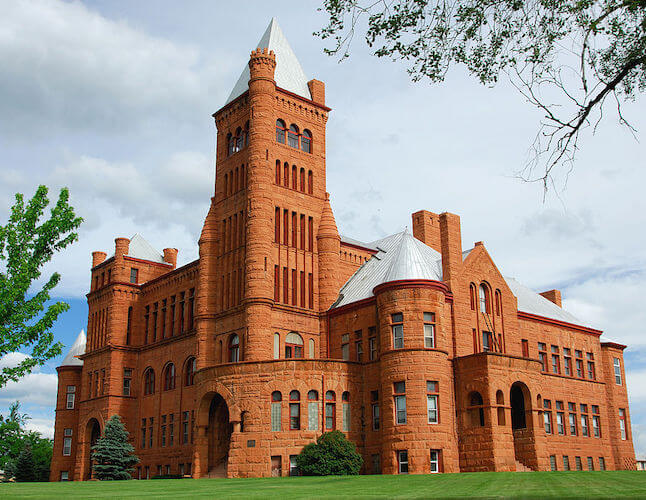
Find a qualified public adjuster in Westminster, Colorado today with ClaimsMate. We’re dedicated to helping policyholders obtain the claim help they need from expirenced Colorado public claims adjusters across the greater Denver metropolitan area and other Colorado cities. Our public adjusters are standing by to get started on your claim immediately. The sooner you get in touch, the sooner you can get the payout you deserve from your insurance company.

A public insurance adjuster provides a valuable service to policyholders like you. Our public adjuster negotiates with the insurance company on your behalf while also handling every aspect of your claim. That means less stress and hassle during an already-busy time. It also means a potentially higher insurance payout. In fact, Westminster policyholders who work with a public adjuster often receive a payout two to three times higher than the payout initially offered by the insurance company.

In many cases, policyholders in Westminster have had their claims denied – only to hire a public adjuster and have the decision reversed. Hiring a public adjuster can, quite literally, change your financial future.

When you work with a qualified public insurance adjuster, you’re getting an experienced insurance professional who knows what insurance companies look for, how to negotiate higher settlements, and how to fight back against greedy or dishonest insurers.

[jump_to_form location="a Westminster"]

ClaimsMate in Westminster

Public Adjusters in Westminster CO

877-202-0204

Public Adjusters in Westminster CO

Is A Public Adjuster in Westminster Colorado Right For You?

Hiring a public adjuster in Westminster, Colorado is easy thanks to ClaimsMate. Experienced public adjusters based throughout the Denver metropolitan area and surrounding cities across Colorado are ready to help. We have public adjusters that are skilled in various areas of insurance, including hail damage claim specialists, fire damage claim specialists, water and flood damage claim specialists, mold damage claim specialists, and more.

What type of insurance claim are you dealing with? If your claim is valued at over $10,000, then it may be in your best interest to hire a public adjuster. Public adjusters are paid on a contingency basis, which means you don’t pay until you accept the final payout offer from your insurance company, at which point the public adjuster charges a small, pre-disclosed fee (typically 5% to 15% of the final settlement).

Westminster homeowners and business owners have used public adjusters for years to ensure higher insurance payouts. Contact ClaimsMate today to discover how we can help Westminster policyholders like you maximize insurance claim payouts.

[dynamic_contact_us text="Schedule a Free Consultation"]

Get Expert Assistance From A Westminster Public Insurance Adjuster

Contact a public adjuster to enjoy a smoother insurance claim experience:

  • Secure an insurance payout two to three times higher than your insurer’s initial offer
  • Get an expert negotiator who deals with the insurance company on your behalf to secure the best possible outcome
  • Access valuable insurance industry expertise at every step of the way
  • Have a qualified professional manage your claim efficiently from start to finish
  • Speak to locally-based Colorado public adjusters with firsthand experience dealing with Colorado insurance claims
  • Avoid having insurance claims denied or reduced by greedy insurance companies

ClaimsMate’s public adjusters are experienced insurance industry professionals with a proven track record of securing higher insurance claims.

Hire an expert public adjuster today in Colorado with ClaimsMate.

See Full Article Here: Westminster Public Adjusters

Friday, January 10, 2020

Public Adjusters In Pueblo Colorado

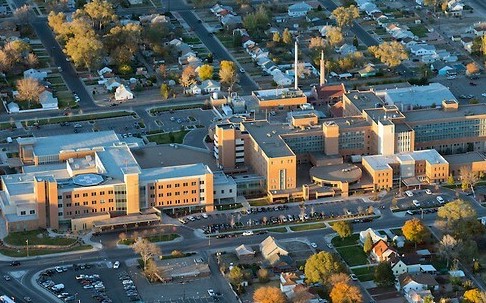
ClaimsMate is the preferred choice when policyholders need a public adjuster in Pueblo, Colorado. We make it easier than ever for policyholders like you to secure higher insurance settlements.

Don’t let your insurance company push you around. Whether it’s a fire damage claim, a water damage claim, or any other type of property damage claim, you can’t afford to lose an insurance claim. Unfortunately, it’s in your insurance company’s best interest to limit your payout as much as legally possible. After all, they’re for-profit businesses and not charities.

That’s why a Pueblo public insurance adjuster can help. At ClaimsMate, we want to help policyholders get licensed, highly-qualified professional claims adjusters in Pueblo with the skills and experience needed to manage your insurance claim effectively. The end result is a higher insurance payout, a more efficient claims process, and less stress at every step of the way.

[jump_to_form location="a Pueblo"]

Contact us for a free consultation and get the claim help you deserve from a leading public adjuster company in Colorado.

ClaimsMate in Pueblo

Public Adjusters in Pueblo Colorado

877-202-0204

Pueblo Colorado Public Adjusters

How A Public Adjuster In Pueblo Colorado Can Help

If your disputed insurance claim is valued at more than $10,000, then it may be in your best financial interest to hire a public insurance adjuster. A public adjuster works on a contingency fee basis, which means you don’t pay anything until after you accept the final settlement offer from your insurance company, at which point the adjuster charges a pre-disclosed fee (usually 5% to 15% of the final settlement).

Property owners in Pueblo have earned settlement offers up to 2 to 3 times higher after hiring a public adjuster. A good public adjuster fights tooth and nail with the insurance company on behalf of the policyholder, providing detailed evidence why each and every item should be covered according to the terms of your policy.

Your insurance company might use various tactics to reduce your claim. Unfortunately, many policyholders in Pueblo are unaware of these tactics. By hiring an expert public adjuster on your side, you can fight back against greedy, dishonest insurance companies and ensure you get every penny legally owed to you under Colorado state law.

Connect With A Public Adjuster in Pueblo Colorado Today

Contact a public adjuster to enjoy a smoother insurance claim experience:

  • Secure an insurance payout two to three times higher than your insurer’s initial offer
  • Get an expert negotiator who deals with the insurance company on your behalf to secure the best possible outcome
  • Access valuable insurance industry expertise at every step of the way
  • Have a qualified professional manage your claim efficiently from start to finish
  • Speak to locally-based Colorado public adjusters with firsthand experience dealing with Colorado insurance claims
  • Avoid having insurance claims denied or reduced by greedy insurance companies

ClaimsMate’s public adjusters are experienced insurance industry professionals with a proven track record of securing higher insurance claims.

Talk to an expert public adjuster in Colorado today with ClaimsMate.

Article Here: Public Adjusters In Pueblo Colorado

Saturday, January 4, 2020

Arvada Public Adjusters Providing Claim Help

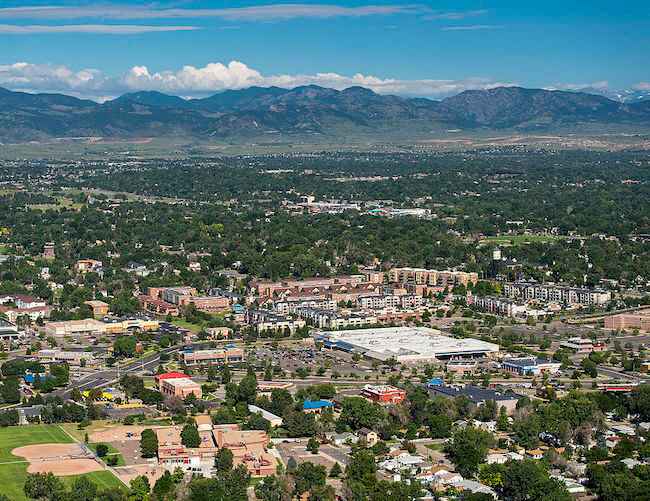
Are you having trouble dealing with an insurance claim? Looking for insurance claim help or a Colorado public adjuster company? ClaimsMate wants you to get the help you need from locally-based adjusters across Arvada and surrounding communities in Jefferson County, Adams County, and the greater Denver metropolitan area.

Contacting a public adjuster may be one of the best decisions you make. A public adjuster takes over your insurance claim, representing your best interests against your insurance company. The end result is a higher insurance payout, a more efficient claims process, and less stress on your shoulders.

At ClaimsMate, we want to help by providing licensed, experienced public adjusters to policyholders in Arvada and other Colorado cities.

[jump_to_form location="an Arvada”]

Need a public adjuster who specializes in fire and smoke damage insurance claims? We have adjusters in Arvada who have worked on claims like this for years. Whether you need specialists in flood damage, wind damage, hail damage, water damage, or any other type of damage, you can depend on ClaimsMate to connect you with a public adjuster that gives you the best possible chance of success.

ClaimsMate in Arvada

Public Adjusters in Arvada Colorado

877-202-0204

Arvada Colorado Public Adjusters

Benefits Of Hiring A Public Adjuster in Arvada Colorado

Public adjusters provide a valuable service to policyholders in Arvada, Colorado at a reasonable price. Public Insurance Adjusters work hard to ensure you get the highest possible compensation while minimizing stress. You have enough to deal with after a costly insurance claim; let one of our skilled public adjusters do the hard work.

Many homeowners feel overwhelmed during the insurance claims process. Some people are unlucky and have had multiple major insurance claims. For many homeowners, however, this is a completely new situation. Unfortunately, insurance companies recognize this naivete and may take advantage of it. They might submit a ridiculously low initial offer, for example, or challenge every aspect of your claim in the hopes you’ll give up.

If your insurance claim is valued at over $10,000, it may be in your best interest to hire a public insurance adjuster. Consider hiring a public adjuster in Arvada, CO from ClaimsMate today. Our team is standing by, and can get started on your claim immediately, working tirelessly to ensure you get the highest payout possible.

Get In Touch With An Arvada Public Adjuster Today

Contact a public adjuster to enjoy a smoother insurance claim experience:

  • Secure an insurance payout two to three times higher than your insurer’s initial offer
  • Get an expert negotiator who deals with the insurance company on your behalf to secure the best possible outcome
  • Access valuable insurance industry expertise at every step of the way
  • Have a qualified professional manage your claim efficiently from start to finish
  • Speak to locally-based Colorado public adjusters with firsthand experience dealing with Colorado insurance claims
  • Avoid having insurance claims denied or reduced by greedy insurance companies

ClaimsMate’s public adjusters are experienced insurance industry professionals with a proven track record of securing higher insurance claims.

Hire an expert public adjuster today in Colorado with ClaimsMate.

Article Here: Arvada Public Adjusters Providing Claim Help

Friday, January 3, 2020

Centennial Colorado Public Adjusters

Need help with an insurance claim? You’ve come to the right place. A public adjuster is an insurance claim professional that works on behalf of the property owner with the goal of helping homeowners and business owners expedite the claims process and increase insurance payout - to make sure policyholders are paid accurately based on the terms of their insurance policy. With help from an expert public adjuster, you can earn a payout that is often to 2 to 3 times higher than the initial offer from your insurance company, giving you the fair settlement you deserve to restore your property.

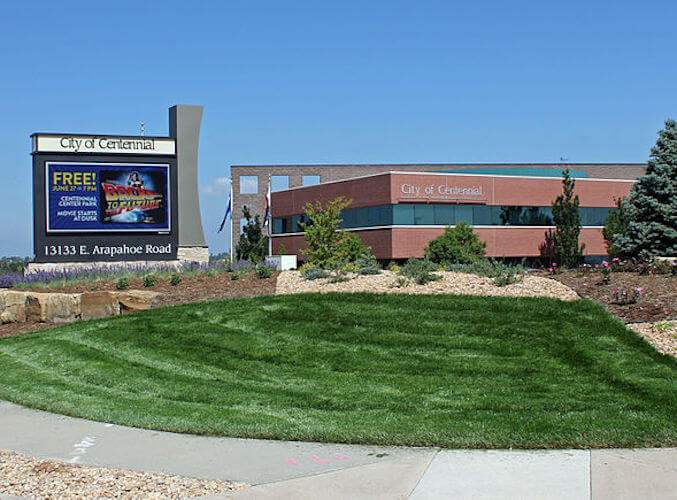
ClaimsMate is here to help with licensed and experienced public adjusters for property owners across Centennial, CO and the greater Denver metropolitan area.

[jump_to_form location="a Centennial"]

Speak with one of our licensed and experienced public adjusters in Centennial, Colorado today. Contact us to get started. The sooner you get in touch, the sooner you can get an experienced public insurance adjuster working on your claim and fight for a higher insurance payout.

ClaimsMate in Centennial

Public Insurance Adjusters in Centennial CO

877-202-0204

Public Adjusters in Centennial CO

Why Hire a Public Adjuster in Centennial, Colorado?

At ClaimsMate, we understand that every insurance claim in Centennial, Colorado is different. Instead of taking a one-size-fits-all approach, we tailor public adjusters to your unique needs.

If you’re dealing with a water damage insurance claim, for example, then you want a public adjuster with experience handling water damage insurance claims. If dealing with a fire damage insurance claim, then you'll want a fire damage expert. Our public adjusters often have decades of individual experience dealing with Colorado insurance companies. They know the tactics these companies use to limit insurance payouts – and they know the right counterstrategies to use to secure higher payouts for clients.

Essentially, a public adjuster walks you through your Centennial, CO insurance claim. The adjuster makes the claim more efficient while also working towards a higher settlement offer. They ensure accurate documentation for every item, then negotiate with the insurance company on your behalf to achieve the highest possible settlement.

Whether your insurance company has rejected your claim, given you a disappointing offer, or is simply dragging its feet, you may be able to benefit from hiring a public adjuster in Centennial, Colorado. Contact ClaimsMate today to get started.

[dynamic_contact_us text="Schedule a Free Consultation"]

Hire a Public Adjuster in Centennial, Colorado Today

Contact a public adjuster to enjoy a smoother insurance claim experience:

  • Secure an insurance payout two to three times higher than your insurer’s initial offer
  • Get an expert negotiator who deals with the insurance company on your behalf to secure the best possible outcome
  • Access valuable insurance industry expertise at every step of the way
  • Have a qualified professional manage your claim efficiently from start to finish
  • Speak to locally-based Colorado public adjusters with firsthand experience dealing with Colorado insurance claims
  • Avoid having insurance claims denied or reduced by greedy insurance companies

ClaimsMate’s public adjusters are experienced insurance industry professionals with a proven track record of securing higher insurance claims.

Get in touch with an expert public adjuster in Colorado today with ClaimsMate.

Article Source Here: Centennial Colorado Public Adjusters

Thursday, December 26, 2019

Home Insurance: Am I Underinsured? How to Avoid Being Underinsured

Some people have too much insurance coverage. They’re over-insured. Others have too little coverage: they’re under-insured.

Are you underinsured? Are you carrying too little insurance for your assets? Is your home sufficiently protected by insurance? Are you exposed to too much risk?

Right here, we’re explaining everything you need to know about being underinsured, including how to avoid being underinsured.

Wondering If Home is Underinsured

Is My Home Underinsured?

Most homes in the United States are underinsured. Nationwide estimates suggest that approximately two thirds of American homes have too little insurance.

Some homes are underinsured by 60% or more. The average home is underinsured by about 20%.

What does being underinsured mean? Being underinsured means you don’t have enough home insurance to protect your home if it’s damaged or destroyed.

If you don’t have enough home insurance, then you are personally responsible for paying a significant amount of home repair or replacement costs after a disaster.

Let’s say your home and all the possessions inside your home are worth around $500,000. Your home, however, is underinsured by 25%, which means you have $375,000 of insurance coverage. A fire burns down your home and everything inside it. It’s going to cost $500,000 to rebuild your home and replace all of the possessions inside. Your home insurance covers $375,000 of that cost, while you need to pay the remaining expenses out of pocket. If you don’t have an extra $125,000 of cash available, then this could be a big problem.

Be aware of a Coinsurance Clause that may be on your home insurance policy. These typically state that you need at least 80% coverage of the home's total value to avoid any insurance claim settlements being reduced by the percentage that you are underinsured.

How to Avoid Being Underinsured: Top 12 Ways to Avoid Being Underinsured Checklist

Want to avoid being underinsured? Here’s a checklist to ensure you have sufficient coverage.

1. Exceed Minimum Insurance Requirements

Under the terms of your mortgage, your lender will require you to have a certain minimum amount of homeowners’ insurance coverage. This minimum amount should be at least equal to the balance remaining on your mortgage, although it could be higher to cover the replacement costs of your home.

The minimum liability protection you can get for a homeowners’ insurance policy is typically $100,000. Most experts, however, recommend having at least three times that.

If you’re just meeting the minimum insurance requirements set by your insurance company, then you may not be fully protected.

2. Avoid Reducing Coverage and Find Other Ways to Save

You can cut all types of bonus coverage from your home insurance policy to save a few hundred dollars per month. However, it’s often better to save costs in other ways.

Instead of reducing coverage, for example, you may want to raise your deductible. Raising your deductible from $500 to $2,000 can save you $300 per year or more.
Or, bundle your home and auto insurance policies with the same company. Bundling can save 20% per year or more off your home and auto insurance.

3. Update your Policy After New Renovations

Remodeling projects can raise the value of your home by 25%. Unfortunately, many homeowners fail to notify their insurance company after renovations are complete.

This is a problem. After renovating your kitchen and basement, your home may be worth $50,000 more. Your home insurance policy, however, still reflects the original value of your home.

Whether you added a deck, finished a basement, or performed any other renovations on your home, it’s crucial that you update your insurance policy.

Updating your home after renovations is important for more than just personal property replacement. It’s also important for liability coverage. If you added a trampoline or deck to your backyard, for example, and a guest injures themselves on it, then your home insurance may not cover your liability.

4. Take a Photo of Every Room in your Home Once Per Year

Some insurance experts recommend setting aside a certain day every year – say, February 1 – to take a photo of every room in your home.

It’s an easy way to document your possessions and property. In the event of a major loss, you have visual evidence of what your home looked like and what was in your home.

When you make a total loss insurance claim, you’ll want as much evidence to support your claim as possible. Your insurance company will require you to make an inventory of all your lost possessions and their approximate value, for example.

5. Keep a Personal Property Inventory

Your homeowner’s insurance covers your personal property. To make sure everything of value is covered, you should maintain an inventory of your personal property.

Coverage limits for personal property are typically set as a percentage of the policy limit for your home. It’s typically around 60 to 70%. If your home insurance covers $500,000, for example, then you can claim up to $300,000 to $350,000 for your personal property.

Maintaining an inventory of your personal property is one of the best ways to avoid being underinsured. You can see exactly how much your possessions are worth, then get adequate home insurance to cover those possessions.

6. Add Endorsements for Personal Property Exceeding a Certain Amount

Not all personal property is covered by your homeowners’ insurance. If a single personal property item exceeds a certain amount (typically around $2,500), then you may need to add a special rider or endorsement to your policy.

Guns, coin collections, jewelry, art, antiques, and other items are some of the most common personal property endorsements.

7. Assess Your Endorsements and Exclusions

After considering all of the items above, it’s crucial to review your exclusions and endorsements. These are the parts of your policy that either add coverage (endorsements) or remove coverage (exclusions).

We explained personal property endorsements above. You’ll want to add endorsements for any expensive personal possessions.

However, you can also add other endorsements to your home insurance policy to cover certain items. Depending on your insurance needs, you may want to add these endorsements to your policy to avoid being underinsured.

Common Endorsements To Consider Adding

Endorsements add coverage to your home insurance policy in various ways:

  • Sewer and Sump Pump Backup: Sewer and sump pump backup claims are some of the most common types of homeowners’ insurance claims, and they’re almost always excluded from standard policies. An average claim costs $15,000. The endorsement should only cost a few dollars per month.
  • Special Personal Property Coverage: Your personal property may be covered from named perils – like lightning, fire, or water damage. However, it may not be covered from other perils – your TV may not be covered from power surges, for example. Consider adding special personal property coverage to avoid being underinsured.
  • Home-Based Business Coverage: If you have a home office, then your office equipment and property may not be covered.

Common Exclusions To Evaluate

Some insurance companies exclude certain items, while others do not. If you own  “dangerous” breed of dog, for example, then some home insurance policies will exclude any liability from these certain breeds.

  • Wind and Hail Damage: Depending on your state, wind and hail damage may be excluded from your home insurance policy. If you live in a windy, hail-prone state, for example, then you may need to pay extra to add wind and hail damage coverage to your insurance policy. Check your home insurance policy to verify any exclusions for wind and hail damage. Otherwise, you risk being underinsured.
  • Dog Breed Liability Coverage: Certain home insurance policies exclude liability for any damage caused by “dangerous” dog breeds. This exclusion has become increasingly common in recent years. Some insurers, including Liberty Mutual, Nationwide, and Amica, do not discriminate based on dog breed (although they will evaluate your dog based on its history and behavior). Additionally, some states, including Maryland, Pennsylvania, and Michigan, prevent insurers from denying coverage to homeowners based on a specific dog breed (although insurers are allowed to charge higher premiums).

8. Consider Buying Replacement Coverage and Check It Against Inflation

There are two broad types of home insurance coverage: actual cash value (ACV) coverage and replacement coverage. ACV coverage is always cheaper because it covers the depreciated value of your home or contents. Replacement value is more expensive because it covers the cost of actually replacing your home and contents.

That’s an important difference. Unfortunately, many homeowners don’t understand this difference until it’s too late. Having ACV coverage instead of replacement coverage can leave you dangerously underinsured.

Let’s say you have a 50-year old home. Your home is destroyed in a house fire. The cost of building a home has risen significantly over the last 50 years. However, your home insurance only pays you the depreciated value of your 50-year old home and contents. You might get a $100,000 payout, for example, when it costs about $450,000 to build an equivalent home today.

Consider buying replacement coverage, then check that coverage against inflation. Research how much new homes in your area cost. If you lost your home and received a payout from your insurance company, would it be enough to cover an adequate replacement home?

If not, you may want to adjust your insurance to avoid being uninsured.

9. Assess your Liability Coverage

Liability coverage is a crucial component of home insurance. Liability coverage helps with property damage, medical bills, pain and suffering, lost wages, and other damages incurred by individuals injured on your property.

If someone slips and falls walking up to your property, for example, or if your dog bites someone, then your home insurance liability coverage can protect you.

Liability limits typically range from $100,000 to $500,000. Most insurance experts recommend having approximately $300,000 of liability coverage.

Increasing your liability coverage is surprisingly affordable. It may only cost $2 to $4 extra per month to raise your liability coverage to $500,000, for example.

10. Consider Flood Insurance

Standard home insurance policies do not cover flood damage. However, it may be in your best interest to buy flood insurance even if you don’t live in a flood zone. You can view flood zones for any location on FEMA's Flood Map Service Center.

The only way to buy flood insurance in the United States is to get it through FEMA’s National Flood Insurance Program (NFIP) or an insurance company that works with the NFIP.

Approximately 1 in 5 flood insurance claims come from areas considered low-to-moderate risk flood zones. If you live near a body of water, or if you are at or near sea level, then flood insurance could be a smart investment.

11. Consider Umbrella Coverage

One final checklist item to avoid being underinsured is to consider your umbrella coverage. An umbrella policy can provide up to $5 million of liability coverage to protect your assets from being seized in a lawsuit. If you have significant assets, then umbrella coverage is crucial.

12. Review your Home Insurance Policy Every Year

Many homeowners treat their home insurance policy as a ‘set it and forget it’ item. They’ve bought home insurance. They pay their premiums. They never check it or compare home insurance policies again.

Instead, it’s important to review your home insurance policy every year. Check to make sure you have sufficient insurance coverage. Go through all of the checklist items above. Ensure you have the right amount of home insurance.

Plan Today To Avoid Dismay If You Have An Insurance Claim

Many homeowners don’t realize they’re underinsured until it’s too late. Don’t make this mistake and wait to find out when you are dealing with a large loss insurance claim.

Check to make sure you have enough insurance on your property. It’s a simple process that could make a life-changing difference when you need insurance the most.

Read More Here: Home Insurance: Am I Underinsured? How to Avoid Being Underinsured

Friday, December 20, 2019

Business Owners Policy: Everything You Need to Know About BOPs & How They Work

A business owners policy (BOP) is a package policy for small businesses. That ‘package’ includes both commercial property and general liability insurance.

Insurance companies that cater to small businesses will offer a BOP. Generally, small businesses must meet certain requirements to qualify for a BOP – like work in certain industries or be under a certain size.

Insurance Business Owners Policy Claims

Today, we’re explaining everything you need to know about a business owners policy (BOP), including what you need to know about BOPs, how they work, and how to find the right BOP for your unique needs.

What is a Business Owners Policy?

Many major insurance companies offer business owners policies (BOPs) to small businesses. A BOP is a package of multiple insurance products consisting of two core components:

  • Commercial Property Coverage
  • General Liability Coverage

Some insurers issue business owners policies on standard Insurance Services Office (ISO) forms, while other insurers use their own proprietary forms.

A standard BOP consists of a declarations page, a BOP form, a common conditions section, and one or more endorsements.

Pros and Cons of a Business Owners Policy

Many small businesses already have commercial property coverage and general liability insurance. Why does a small business need a business owners policy?

A BOP delivers two crucial benefits to small businesses: coverage and price. At the same time, a BOP comes with certain disadvantages – like a lack of flexibility.

Pros

Price: A BOP offers broad coverage for a relatively low premium. In other words, business owners are getting more insurance for less money.

Coverage: A BOP can cover more than a traditional business insurance policy package would cover, including business income that isn’t automatically included under a standard commercial property policy. Plus, the liability section of a BOP offers the same type of coverage as a standard ISO commercial general liability form (CGL), but at a price that’s affordable to a small business.

Cons

Flexibility: A BOP typically isn’t as flexible as a standard package policy. You may not be able to customize your BOP beyond basic coverage options. A standard ISO BOP, for example, includes only property and general liability coverages.

Lack of Endorsements: With a standard insurance policy package, you can customize options based on your needs. You can add or remove endorsements, for example. to ensure your business is fully protected. With a BOP, you might not be able to add commercial property, general liability, commercial auto, inland marine, crime, and professional liability insurance under the same package. There are fewer modification options.

These disadvantages don’t apply to all BOPs offered by all insurance companies. Some insurers are more flexible regarding what can and cannot be included in a BOP.

Who is Eligible for a Business Owners Policy?

Only certain small businesses qualify for a business owners policy. The insurer will check to verify each small business meets those qualifications before providing coverage.

Generally, businesses must meet specific size requirements to qualify for a BOP. A small wholesaler with 10,000 square feet of space may qualify for a BOP, for example, while an office building with more than 100,000 square feet would not.

Businesses in certain industries may also be ineligible for a BOP. High-rise buildings, manufacturers, auto dealerships, auto repair shops, tree trimmers, bars, parking garages, banks, and theaters, for example, will not qualify for a BOP due to the size or nature of their operations. These companies may have greater liability coverage requirements than what an average BOP would be able to provide.

Specific BOP qualification rules vary between insurance companies. However, some of the most common businesses that rely on business owners policies include:

  • Hotels and motels
  • Barber shops
  • Fast food restaurants, cafes, delis, and sandwich shops
  • Small contractors (i.e. residential construction contractors, drywallers, carpenters, and landscapers)
  • Apartments and condos
  • Retail buildings
  • Office buildings

How Does Commercial Property Coverage Work with a Business Owners Policy?

Commercial property coverage on a standard business owners policy is similar to any ISO commercial property policy.

It covers all of the following types of property:

  • Buildings located at premises described on the declarations page
  • Machinery and equipment permanently installed in covered buildings
  • Personal business property located in covered buildings
  • Tenant improvements in covered buildings
  • Property that belongs to other people (non-leased personal property owned by someone else)
  • Building glass owned by you or in your custody (if you are a tenant)

What Types of Damages Are Covered By a Business Owners Policy?

A business owners policy is an all risk policy, which means it will cover any losses or damages by any peril except for perils specifically listed under the ‘exclusions’ section.

You can expect to see similar exclusions to what’s on an average property insurance policy, like exclusions for earthquakes and flooding, among other perils.

Additional Coverages and Endorsements Available for a Business Owners Policy

One advantage of a business owners policy is that it offers broader coverage than a traditional policy. A BOP automatically includes many items that you would normally need to add via an endorsement.

Additional coverages that should be automatically included on your BOP include:

  • Business income (covers net income and operating expenses)
  • Extra expenses
  • Civil authority coverage
  • Valuable papers (covers written documents like books, maps, films, drawings, deeds, mortgages, and manuscripts)
  • Accounts receivable
  • Electronic data
  • Newly acquired property
  • Interruption of computer operations
  • Mold damage
How Does General Liability Coverage Work Under a Business Owners Policy?

The general liability coverage under a BOP consists of two third-party liability coverages:

  • Bodily Injury and Property Damage Liability Coverage
  • Personal and Advertising Injury Liability Coverage

Both coverages are bundled under a single insurance contract.

Your business also gets medical payments coverage through its BOP, which covers medical expenses incurred by individuals injured as a result of your business activities. Medical payments coverage (MedPay) functions like health insurance. It makes payments to injured parties even when they don’t file a lawsuit.

Optional Coverages and Endorsements Available for a BOP

A business owners policy has several coverages included automatically. However, you can still add certain endorsements to a business owners policy.

Employee Dishonesty: An employee dishonesty endorsement covers the cost of reimbursing customers victimized by a dishonest employee. If an employee stole from a customer, for example, then this endorsement covers that reimbursement.

Money and Securities: This endorsement covers certain lost cash from the business. Small businesses collect cash throughout the day and move it around, and there’s a risk of this cash being stolen.

Business Income and Extra Expenses: If a small business’s property experiences structural damage or other hazards, then the small business may need to temporarily relocate. This endorsement pays for the loss of income and additional expenses incurred as a result.

Equipment Breakdown: Small businesses rely on all types of equipment to earn money – from brewing equipment to HVAC systems. When this equipment breaks down, this endorsement will cover it.

Outdoor Signs: Does your business have a costly outdoor sign? These signs can be damaged by storms and other perils. This endorsement covers the cost of repairing or replacing a sign.

Overall, a business owners policy isn’t as customizable as a standard business insurance package. However, endorsements are available to cover various items as needed for your unique business needs.

Raising BOP Coverage Limits with Commercial Umbrella Coverage

Does your small business have higher liability needs than similar small businesses? Fortunately, most BOP insurers offer commercial umbrella insurance policies.

These policies can be written in conjunction with a business owners policy. Like ordinary umbrella insurance, commercial umbrella insurance raises your liability limits to protect your assets.

How Much Does a BOP Cost?

The cost of a business owners policy varies between providers.

Progressive claims their average BOP policyholder pays $61 per month, for example, or $732 per year. Generally, a small business pays anywhere from $500 to $3500 per year for a BOP, depending on the size and scope of the business.

A larger business with higher liability requirements and endorsements will pay more for a BOP.

A small retail store in a leased building may pay just $600 per year for a BOP, for example, while a dentist office in an owned building with multiple policy endorsements may pay $3,000 per year.

Final Word

A business owners policy (BOP) is a type of insurance coverage available to small businesses that meet certain requirements. It provides a bundle of coverage options at a price that’s reasonable for small businesses.

Original Post Here: Business Owners Policy: Everything You Need to Know About BOPs & How They Work