Saturday, October 10, 2020

How Fire Insurance Adjusters Help With Fire Damage Estimates & Restoration Costs

Fire damage insurance claims can be complicated and messy. All home insurance policies cover fire damage. However, with so much destruction, calculating losses is tough.Fire Insurance Adjusters For Fire Claims
Depending on your policy, your insurer may calculate fire damage and restoration costs in different ways. Some insurance companies reduce your claim – or even deny it entirely. Others approve all damage restoration and item replacements.

Confused about fire damage insurance claims? How can you estimate fire damage and restoration costs? Today, we’re explaining how much it costs to repair fire damage, restore a property after a fire, and maximize compensation from your insurance company.

How a Fire Insurance Claim Works

No two house fires are alike. However, most fire damage insurance claims go through a similar process.

Here is a typical fire claim settlement procedure, including a fire damage estimate for homes and businesses and how much it costs to fix a fire damaged property:

  1. A fire starts in your home or nearby. An appliance may malfunction and catch on fire. Your faulty home wiring may create a spark. Or, a neighboring wildfire or house fire could spread fire damage or smoke damage to your property.
  2. After securing the scene, you report the loss to your insurance company. All home insurance policies cover fire damage. Your insurance company will likely recommend hiring an emergency restoration company to secure the scene. These 24/7 emergency restoration companies can arrive any time of day or night to protect your property from further damage if necessary. It is very important to realize the extent of dangerous chemicals that are now present in your home, and to leave the clean up and restoration to professionals. Research has shown that many premature deaths are directly related to soot in the environment. Particle exposure leads to around 20,000 premature deaths in America each year. Many of these deaths were caused by soot-related diseases. Data also shows that soot annually causes almost 300,000 asthma attacks and 2 million lost workdays due to respiratory problems.
  3. Your insurance company’s adjuster assesses the damage. The insurance company sends one of their employees, an adjuster, to check the damage. The adjuster investigates the claim and inspects the property. Based on this analysis, the adjuster may recommend further investigation – say, by law enforcement. Or, the adjuster may proceed with fire damage restoration and repairs. Because the adjuster is a salaried employee of your insurance company, the adjuster’s goal is to pay you as little for your claim as legally possible, saving money for your insurance company.
  4. A contractor completes the fire damage repairs. Repairing fire damage is costly. In many cases, fire damage leads to a total loss: it costs more to repair your property than the property is worth. Or, the fire damage exceeds your policy’s limits. Your insurance company could pay to repair or rebuild your home. Or, you might receive a lump sum payment as part of a total loss settlement.

Ideally, your fire damage insurance claim proceeds without issue. You get fair compensation from your insurance company. Your adjuster treats you with compassion at a difficult time. And you’re happy with the outcome of the insurance claim.

Unfortunately, fire damage insurance claims are rarely straightforward, and many property owners are left unsatisfied. That’s where hiring your own private fire claims adjuster can become hugely beneficial. Many Public Adjusters specialize in fire insurance claims and provide assistance and expertise with estimating fire damage costs and guiding the entire fire claim settlement procedure to ensure policyholders obtain an adequate claim settlement after a fire damages their property.

[big_contactus]

How Much Does Fire Damage Restoration Cost?
Insurance Claim Fire RestorationThe more you know about fire damage restoration costs, the better equipped you will be to negotiate with your insurance company.

There are two major parts of a fire damage insurance claim:

  • Cleanup costs
  • Repair and restoration costs

Estimating Fire Cleanup Costs

Angie’s List estimates that fire damage cleanup costs range from $800 to $93,000, with most property owners paying somewhere between $20,000 and $50,000.

Homeowners insurance should cover all or part of these costs. You hire licensed professionals to handle the repairs. Your insurance company pays these professionals directly. Or, your insurance company compensates you for any money paid to contractors.

Estimating Restoration Costs

Fire damage restoration costs vary widely based on several factors, including:

  • Square footage of your home
  • Number of rooms
  • Extent of smoke and fire damage
  • Repairs needed

A massive fire across a 4,000 square foot home will cause more damage than a kitchen fire in a one-bedroom, 1,000 square foot home.

Ideally, however, you put out the fire quickly. The fire directly caused damage to one or two rooms of your home, with smoke and water damage throughout the rest of your home.

Generally, fire and smoke damage restoration costs about $9.60 per square foot when restoring a medium or large-sized (2,600 square foot) home, or around $25,000 per restoration claim.

Some of the things involved in fire damage restoration include:

  • $12,000 to $24,000 for water damage cleanup. Maybe you used water to put out the fire. Maybe the firefighters sprayed water all over your home. Water can damage walls, floors, and furniture. When left in your home, water can quickly lead to mold.
  • $4,000 to $16,000 for soot removal and cleanup. Soot damage represents a large portion of fire damage restorations and repairs. Soot can collect on fabrics throughout your home, including on curtains, carpets, and walls.
  • $50 to $100 per pound for fire damaged material restoration or cleanup. Typically, you remove any burnt items from your property, although some items could be repaired or restored.

How Much Does Smoke Damage Restoration Cost?

Restoration companies use two types of smoke damage restoration, including:

  • Thermal Fogging
  • Ozone Treatment

Thermal Fogging ($350 to $700)

With thermal fogging, the restoration company removes smoke from different types of fabric. The restoration company uses thermal fogging machines and chemicals. These machines create thermal fog particles through a thermal process – not mechanical action. The machines increase the temperature of the liquid, turning it into a fog or vapor. Then, this vapor condenses when it enters the cooler air. The machines generate thermal fogging particles as small as 0.5 microns, similar to the particle size of smoke and soot created during a fire. The particles remove smoke odors from the air.

Ozone Treatment ($300 to $600)

With ozone treatment, the restoration company installs air purification machines that create ozone in a room in your home. The restoration company sets up these machines for hours, then re-enters the room when the cycle is complete. Ozone molecules break down soot and smoke odors at the source.

Other Fire Damage Restoration and Repair Costs

Smoke, soot, water, and fire damage cleanup are all part of a typical home insurance claim. However, even a small property fire can lead to other costs, including:

Fire reconstruction costs. Your kitchen cabinets may require refinishing. You may need new carpets. Your drywall may be scorched in certain places and require replacement. This damage can cost anywhere from $5000 to $500,000, depending on the extent.

HVAC cleanup. Smoke, soot, and fire damage can spread throughout your heating, vacuuming, and air conditioning systems. Removing this damage can be expensive, and your entire HVAC system needs to be cleaned and deodorized to prevent toxins from flowing back into your home.

Miscellaneous cleanup. Fire damage restoration claims can be messy. Many property owners continue discovering new damage for days or even weeks after the fire. Miscellaneous cleanup costs can add up to big claims.

Overall Cost of a Fire Damage Insurance Claim
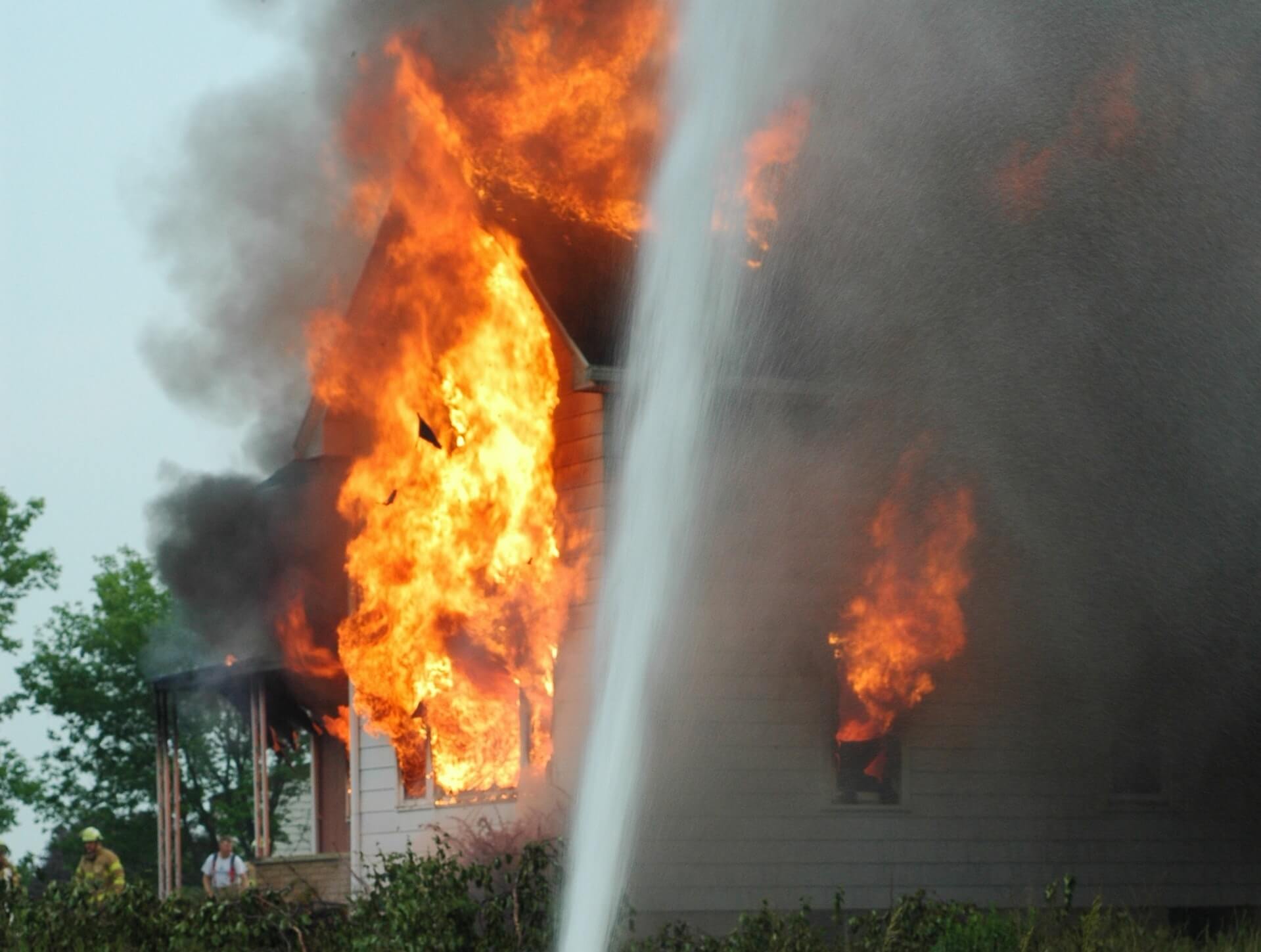
Fire Insurane ClaimThere’s no specific number for the “average” cost of a fire damage insurance claim. The number varies widely depending on your state, the size of your home, the extent of damage, and hundreds of other factors. When a large fire cannot be extinguished and causes more damage to a structure than that structure is worth, the insurance claim is considered a total loss.

Generally, however, here’s how much it costs to recover and restore a property after a fire:

  • Small Fires: $23,500 to $55,000
  • Medium Fires: $30,000 to $70,000
  • Large Fires: $75,000+
  • Total Loss: Your policy limits, depending upon your policy language
Other Tips for Handling Fire Damage Insurance Claims

Fire damage insurance claims can be tricky, and most homeowners only go through one fire damage claim in their life, if at all. Here are some tips to get you through the claim:

Document Everything: It is best to make sure that you take regular videos or photos of your entire house to prove what items were in the home. Be sure to document model and serial numbers for any electronic items. Once a fire has taken place,take photos and videos again of all damage to your property and every damaged item. Ideally, you have receipts proving the value of any high-value item (over $500) damaged in your home. The more evidence you have, the smoother your claim will be.

Check All Parts of Your Home: It may have seemed like a minor fire in your kitchen, but even a small fire can cause big damage. Smoke and soot can travel through your HVAC system to other parts of your home. You might notice fire damage in your attic from a fire in a separate part of your home.

Document All Communication with your Insurance Company: Whether it’s a text message, phone call, email, or letter, you need to document all communication with your insurance company. Ask that any phone calls be followed up with a recap of your conversations by email. You will not have access to their “recorded calls”.

Understand Replacement Value vs. Actual Cash Value: A home insurance policy protects your home and anything inside your home. If the fire destroyed your $1,500 TV, then your insurer will compensate you for this loss. However, policies either use replacement value or actual cash value to calculate loss:

  • Replacement Value: This is the cost of replacing the lost item with a similar item today. If you lost a 45-inch HDTV in the fire, for example, then insurance will give you enough money to buy a similar 45-inch HDTV today.
  • Actual Cash Value: This is the value of the item you lost, minus depreciation. You might have paid $1,500 for your TV five years ago. Unfortunately, due to depreciation, that TV is only worth $300 today, so that’s what your insurer pays.
  • Most policies use actual cash value as the default option for the initial payment. For homeowners that pay extra for replacement cost value, they will withhold “depreciation” until you replace your items with like and kind quality.
  • To receive replacement value for your items, you need to actually replace those items. You will buy a new TV, for example, and submit the receipt to your insurance company, which then compensates you for the TV.

Learn What Can Be Salvaged After a House Fire: Some items can be salvaged, while other items need to be disposed of. Your restoration company or adjuster can help explain what can be salvaged.

Hire a Public Adjuster: Fire damage insurance claims can be messy. We’ve barely touched upon some of the issues faced by homeowners and business owners after a fire. If you want to avoid all of this hassle while securing the highest possible payout from your insurer, then consider hiring a public adjuster.

How Public Fire Insurance Adjusters Help

Public Adjusters that work as fire insurance adjusters work on your behalf to maximize claim settlements and ensure a smooth claim. They don’t represent your insurance company:

Your Insurance Company’s Adjuster (Works for Your Insurer): Your insurance company has its own adjuster. This adjuster represents your insurance company. This means that quite often the adjuster’s goal is to pay the lowest amount for your claim as legally possible.

Your Public Fire Insurance Adjuster (Works For You): When you hire a public adjuster, you get a trusted professional who represents you against your insurance company.

Some of the services provided by a private fire insurance adjuster include:

  • Negotiation with your insurance company to overturn a denied claim
  • Negotiation with your insurance company to maximize payout and ensure you receive every penny legally owed
  • Step-by-step walkthrough of the entire claims process from beginning to end
  • Expert assistance with every part of your fire damage claim to ensure a smooth process

Many fire insurance adjusters are former insurance professionals. Many previously worked for insurance companies and now work for ‘the good guys’, representing the public against the insurance company.

[dynamic_contact_us text="Schedule a Free Consultation"]

Skip Complex Negotiations and Hire a Public Adjuster

ClaimsMate public adjusters have a proven ability to increase claim settlements from insurance companies. Public adjusters negotiate with your insurance company on your behalf to secure a higher payout.

If your insurance company has disputed, denied, or reduced your claim, then you may want to hire an experienced public adjuster.

A public adjuster works on your behalf. The public adjuster does not work for the insurance company. A good public adjuster fights to secure the highest possible amount of compensation from your insurance company after a fire damage claim.

The public adjuster applies his or her expertise to your claim, then decides how much you should be owed. The adjuster negotiates with the insurance company until you receive the amount you are owed. It’s that simple.

Talk to a fire damage public adjuster today for free. ClaimsMate offers free consultations. Tell us about your situation. We’ll explain how we help. Then you decide whether you want to hire a public adjuster for your fire damage insurance claim.

Contact ClaimsMate today for a free fire damage insurance claim consultation.

Article Here: How Fire Insurance Adjusters Help With Fire Damage Estimates & Restoration Costs

Thursday, September 24, 2020

Fire Insurance Adjusters Help With Fire Claims


Watch on YouTube here: Fire Insurance Adjusters Help With Fire Claims
Via https://www.youtube.com/channel/UCcZImr64sN4bR4BB_JA82vg/videos

Fire Insurance Claim Tips


Watch on YouTube here: Fire Insurance Claim Tips
Via https://www.youtube.com/channel/UCcZImr64sN4bR4BB_JA82vg/videos

Fire Insurance Claims: Tips & What to Expect for Fire Damage Insurance Claims

You buy homeowners insurance to protect against unexpected events – including house fires.

House fires are devastating. However, insurance protects you. Your home insurance policy should compensate you for the cost of repairing or replacing your home – and anything inside your home – after fire damage.

House fire insurance claims can be messy and expensive. Most homeowners have zero experience with fire insurance claims – and insurers may try to take advantage.

We’re covering the best fire insurance claim tips, examples and more.

Fire Insurance Claim Tips

How a Fire Insurance Claim Works

Fire can cause different types of damage to a property. Some fires totally destroy a property, leading to a total loss insurance claim. Others fire only damage one or two rooms or an outdoor area – but cause smoke or soot damage throughout the property.

Fire damage insurance claims come in different varieties, but insurance claims tend to proceed in a similar way. Below, we’ll list the typical progression of a fire insurance claim – from the first steps to the last.

  1. Secure the Scene: Put out the fire. Contact emergency services. Make sure every person and pet in your household is safe. Take steps to limit further damage. Place a tarp over the hole in your roof, for example, to prevent water from flowing in.
  2. Contact your Insurer and Start the Claim: All insurers have a 24/7 claims hotline. Contact your insurer to start the claim process. Your insurer will give your claim a number, then explain the next steps to take.
  3. Wait for the Adjuster: Typically, your insurer sends one of their adjusters to your property to inspect and verify the damage. The adjuster may tell you to hire an emergency restoration contractor to further secure the scene and begin repairing damage.
  4. Accept Emergency Funds: At this point, your adjuster may wire emergency funds to your bank account. These funds can cover accommodations (if you’re unable to live in your home), meals, and similar expenses. These funds will be deducted from any final settlement.
  5. Get Multiple Estimates: Your insurance company may provide an estimate on how much repairs should cost. This estimate may be ideal – or it may be too low based on the prices charged by local contractors. Get multiple estimates for repairing or restoring your property.
  6. Restore or Repair Damage: For severe fire damage insurance claims, emergency restoration contractors may arrive on scene immediately to begin repairing damage. Restoration contactors will repair or restore your property to its pre-loss condition. The contractors will also identify items that can be salvaged – and items that need to be thrown away.
  7. Keep All Receipts: Throughout this process, it’s crucial to document everything. Keep all receipts for hotel accommodations, meals, and other expenses. Anything you pay while living away from your home should be covered by insurance (within reason). You buy insurance to cover these expenses.
  8. Document Everything: You should also document everything throughout this process. In addition to keeping receipts, keep photos or videos of all damaged items, all property damage, and other things affected by the fire.
  9. Inspect your Entire Property for Damage: Fire damage insurance claims can get messy. It may seem like a minor fire only in one corner of your home – but soot and smoke damage can spread throughout your property to affect multiple rooms of your home. Carefully inspect your property or hire experts who can inspect your property. Your HVAC system may be filled with smoke and soot, for example, that will spread throughout your home if not cleaned.
  10. Consider Hiring a Public Adjuster: If you encounter issues at any of the steps above, then consider hiring a public adjuster. A public adjuster works on your behalf to maximize fire damage insurance claim compensation. Some people hire a public adjuster immediately after a loss to ensure a smooth claim process. Others hire a public adjuster after a claim is denied – or after the insurer offers a low payout. A good public adjuster specializing in fire damage claims can easily be worth the small fee, and some property owners double or even triple their payout.

[big_contactus]

Fire Insurance Claims Examples

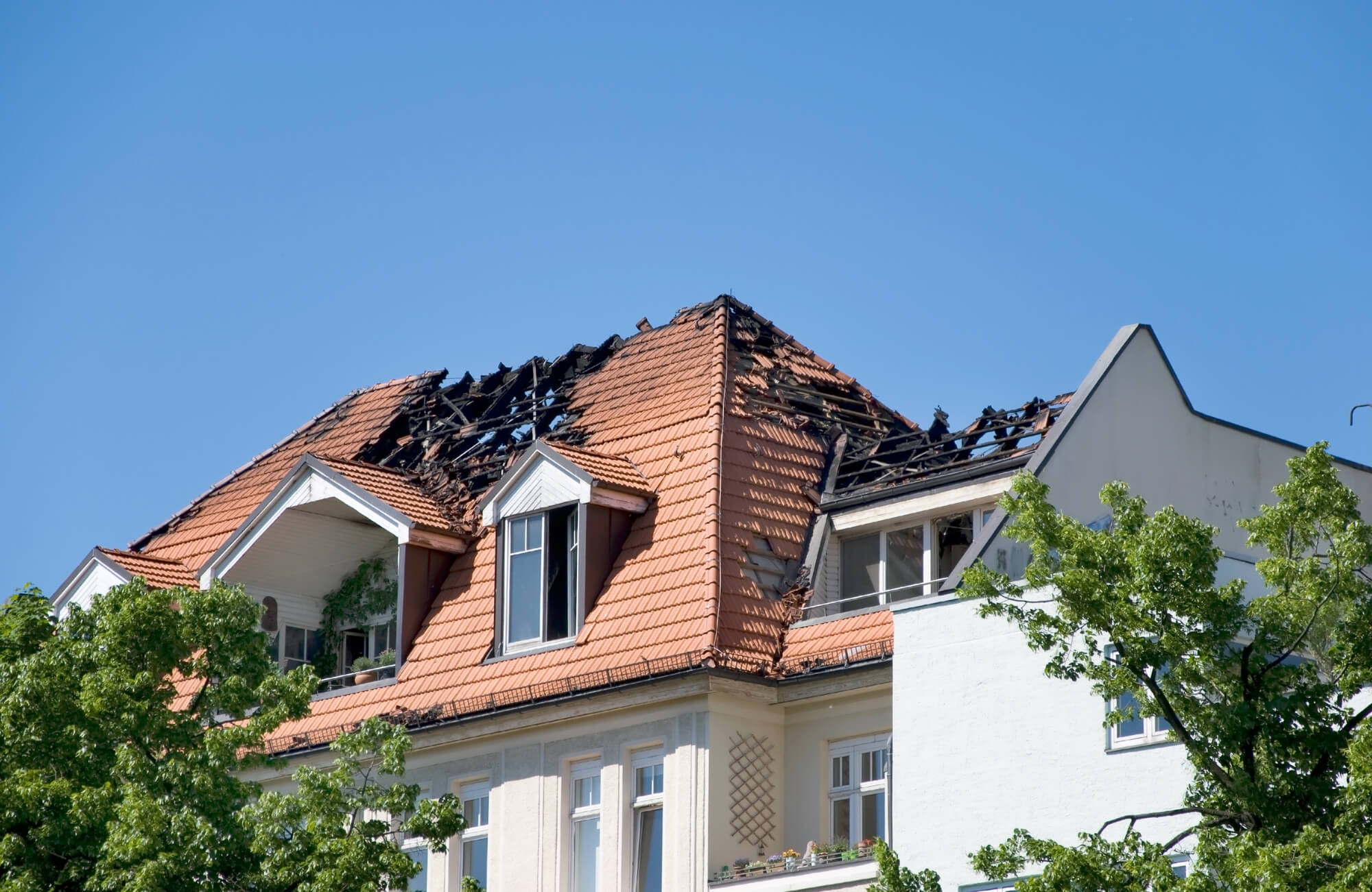
Fire Insurance Claim RoofSome fire damage insurance claims are million-dollar claims with total loss of property. Other claims are relatively minor, causing a few thousand dollars of smoke and soot damage.
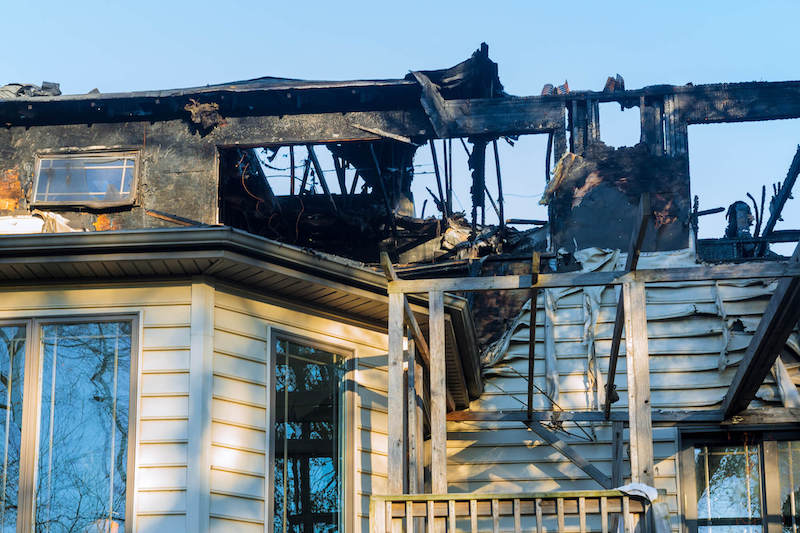
Below, we’ve highlighted some examples of fire damage insurance claims, including fire damage claims at homes and commercial fire damage claims for businesses.

Historic House in Dallas

A historic home in Dallas was insured for $421,000 and destroyed by a large fire. It was a total loss, although the homeowner and insurance company disagreed on the amount required to pay. Although the home was insured for $421,000, the insurer valued the property at $365,000. According to the insurer, they only had to pay $365,000 to cover the actual cash value of the property – the exact value of the property at the time the loss occurred. The homeowner hired a public adjuster. The public adjuster identified features and fixtures in the home that increased the value significantly. Ultimately, the insurer paid the full $421,000 value of the policy, including additional coverage for debris removal, damaged landscaping, and other expenses.

Lumber Company in Tennessee

A lumber company in Tennessee experienced a fire that led to the loss of $5 million of inventory. The insurer delayed and denied the claim at first, demanding evidence of the $5 million of lost inventory. After hiring a public adjuster, the lumber company was able to receive the full amount owed for the loss of inventory. The public adjuster also argued for the coverage of moving expenses, as the lumber company needed to adjust operations during the fire damage restoration process. Overall, the company significantly improved its payout by hiring a public adjuster.

House Fire in the Suburbs of San Antonio

A homeowner in suburban San Antonio received a call at work that her house was on fire. An electrical surge had sparked a fire within the kitchen. A neighbor spotted the fire and alerted emergency services quickly, and firefighters stopped damage from spreading to other parts of the home. The insurance company’s adjuster initially offered a payout of $34,000 to cover the cost of repairing and restoring damage in the kitchen. The homeowner disagreed with that valuation, however, and hired a public adjuster to get added compensation. The public adjuster identified smoke and soot damage throughout the property, ultimately arguing for additional coverage. The overall, final cost of the fire damage insurance claim was close to $70,000, and the homeowner received this amount with help from a public adjuster.

[dynamic_contact_us text="Contact A Public Adjuster"]

How to Deal with an Insurance Adjuster After a House Fire: The Best Tips & Strategies

Your insurance company’s adjuster is a salaried employee of your insurance company. That adjuster’s goal is to minimize payout – not provide you with as much money as you like.

Remember: insurance companies are for-profit businesses. They want to make as much money as possible while paying as little for your claim as they’re legally obligated to pay.

Unfortunately, most homeowners have zero fire damage insurance claim experience. Your insurance company’s adjuster may take advantage of this naivety to offer low payouts or deny your claim based on hidden contract terms.

We want to help. You can hire a public adjuster to ensure complete coverage for your fire damage insurance claim. See tips for dealing with insurance adjusters along with the tips below for dealing with fire insurance claims:

Document All Additional Costs from the Fire: Your homeowners insurance policy covers additional living expenses (labeled as ‘ALE’ on most policies). If a house fire destroys your home and forces you to move out, then you may need to pay ALE in the form of hotels, meals, a rental car, cleaning supplies, and other expenses. Track all of these costs and keep receipts. Your insurer is obligated to cover most costs incurred as a result of your house fire.

Take Photos and Videos: Many homeowners are surprised by how much evidence insurers request after a house fire. The more photos and videos you have of damage, the better. Take photos and videos of damaged property, damaged items, and anything else. Make sure you take these photos before cleanups or repairs start. Otherwise, it may be too late.

Create a Home Inventory Today: Most homeowners don’t keep an inventory of everything in the home – but you should. Proactive homeowners keep an inventory of everything in the house, and they update this inventory regularly. If a house fire occurs, you have specific information about what was damaged and what your insurer needs to cover.

Review Your Policy Regularly: By reviewing your homeowners insurance policy regularly, you can avoid being underinsured.

How Commercial Fire Damage Claims Work

Commercial fire damage insurance claims work in a similar way. Every year, businesses across the United States suffer $3 billion in commercial and industrial property damage due to fire.

One of the major differences between a residential and commercial fire damage claim is with the value of the claim. Businesses could lose millions in a fire, which means a more complicated insurance claim process.

Fortunately, public adjusters can help with commercial fire damage claims as well. Many public adjusters specialize in fire damage insurance claims for businesses, fighting on behalf of business owners to secure maximum compensation.

Total Loss Fire Claims

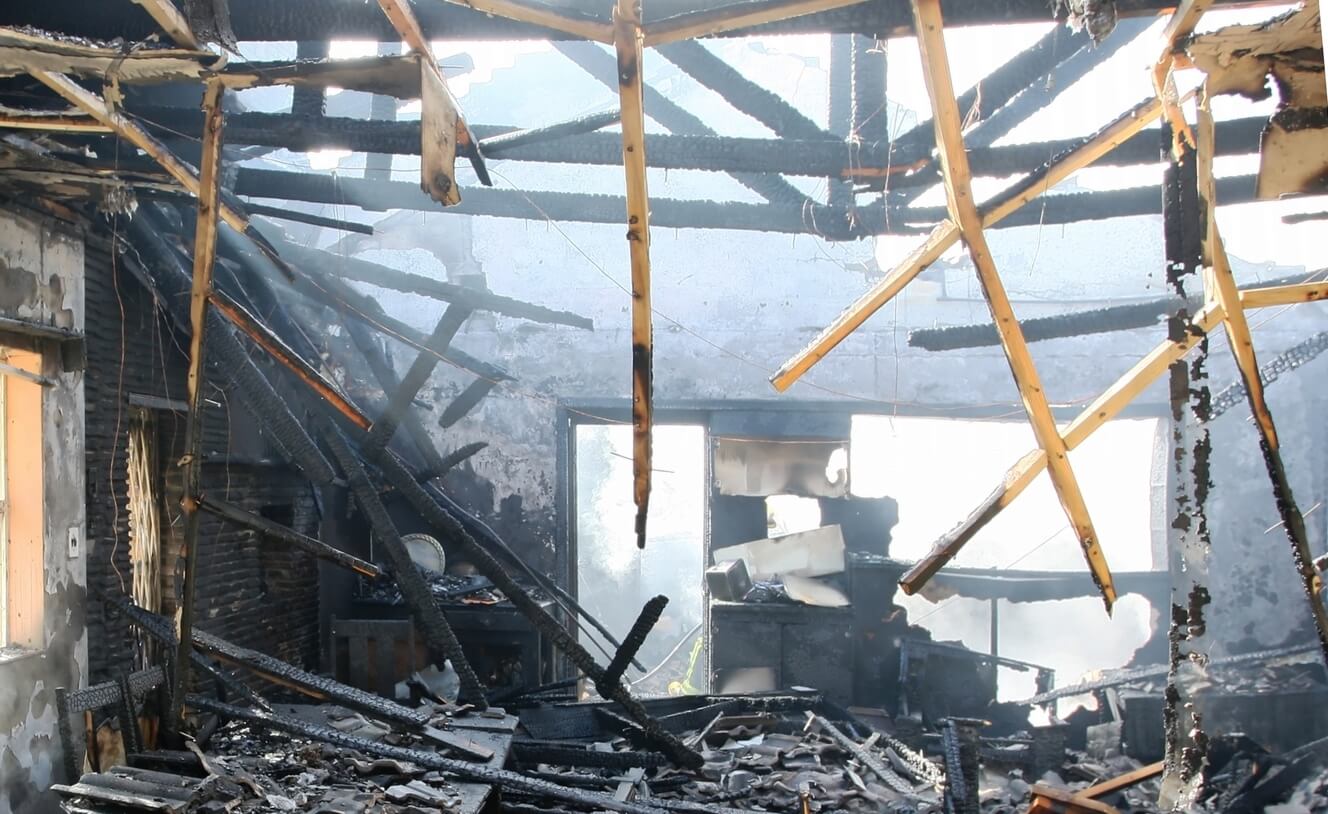
Home Burned In Fire Total LossWith a total loss fire claim, the cost of fire damage exceeds your policy’s value. You might have lost $500,000 worth of property and possessions in a devastating house fire, for example, but you only have $300,000 of insurance coverage.



In a total loss fire damage insurance claim, your insurer pays up to the limits of your policy. You cover remaining costs out of pocket.
Many homeowners who experience a total loss are underinsured, which means you have too little insurance to cover your property and possessions.

Review your insurance policy, property value, and possession value regularly to ensure they line up. Otherwise, you could be left dangerously underinsured after a house fire.

How a Public Adjuster Helps with a Fire Insurance Claim

Many people hire a public adjuster to help with a fire damage insurance claim. When you hire a public adjuster, you’re getting a genuine insurance expert to support your claim, maximize compensation, and ensure a smooth settlement process.

Perks of hiring a public adjuster include:

  • Obtain a fair claim settlement payout much higher than the initial offer
  • Get expert assistance at every step of the fire damage insurance claim process
  • Let a specialist negotiate with the insurer on your behalf for the highest possible compensation
  • Complete management of the fire damage insurance claim, repairs, and restorations from beginning to end
  • Get a second opinion from an expert on home valuation, policy coverage, and repair costs
  • Get an insurance specialist who represents your best interests – not your insurer’s best interests

Public Adjuster For Your Claim
[big_contactus]

Most public adjusters only charge a fee after you accept the final payout from your insurer, at which point they take a pre-arranged cut of the payout. Public adjusters charge between 5% and 25% fees, based on their experience, the size of the claim, and other factors.
After hiring a public adjuster, many of our customers agree: it feels like a weight has been lifted off your back, and you can relax knowing an expert is supporting your claim at very step.

Final Word On Fire Insurance Claims

House fire insurance claims are tricky. Fortunately, with preparation and expert assistance, you can maximize compensation.
After a house fire, your insurance company needs to compensate you for the cost of repairing or replacing any damage, including damage to your property and possessions. If your insurance company fails to live up to this agreement, then your insurer may be acting in bad faith.

For expert assistance with your fire damage insurance claim, contact ClaimsMate today for a free consultation.

Our public adjusters have decades of proven experience maximizing compensation with fire insurance claims.

Article Source Here: Fire Insurance Claims: Tips & What to Expect for Fire Damage Insurance Claims

Monday, August 24, 2020

How Do Insurance Companies Pay Out Claims? How Are Homeowners Insurance Claims Paid?

Many homeowners are unfamiliar with the home insurance claim process – and that’s okay. Some homeowners never file a claim.

Insurance companies pay claims in different ways. Depending on the type of claim, the amount owed, the work required, and other factors, insurance companies pay claims differently.

Some insurers directly pay a contractor, for example, and that contractor performs the required work on your home. Other insurers send you a check for the owed amount, and you can spend that check however you like.
How Are Insurance Claims Paid
Today, we’re explaining how insurance companies pay out claims, including how homeowners insurance claims are paid.

How a Homeowners Insurance Claim Works

No two homeowners insurance claims are alike. However, most homeowners insurance claims follow a similar claim process:

  1. You File the Claim: You contact your insurance company to notify them of the loss. The insurance company starts your claim and gives you a claim number.
  2. Your Insurer Evaluates the Claim: The insurer evaluates your claim. The insurer will verify any documentation you provided. The insurer dispatches an adjuster to evaluate the damage. If you have a complex claim, then it could take weeks to evaluate damages. For simpler claims, the insurer could check your paperwork and pay the claim immediately.
  3. Your Insurer Approves or Denies the Claim: Based on their evaluation, the insurer will either approve or deny your claim. If the insurer approves your claim, you will receive payout (or move forward with repairs). If the insurer denies your claim, then you might need to send additional evidence, hire a public adjuster, or hire an insurance attorney. If your claim is denied, see Reason Insurance Claims Are Denied and How To Dispute Claim Denials.
  4. You Receive your Payment: Finally, if the insurer approves your claim and there are no other issues, then you will receive your payment.

How An Insurance Company Pays You

If your homeowners insurance claim is approved, then the insurance company will pay your claim. The insurance company agrees to cover your damages, and you will receive compensation for those damages.

Depending on the type of claim and the extent of damages, an insurance company could pay you in different ways.


The two most common ways to receive payment for a homeowners include claim include:

  • By check
  • By paying vendors or contractors on your behalf

How Much Money Will You Receive For Your Claim?

The amount of money you receive for your insurance claim is based on two factors:

  • The amount of coverage you have
  • The value of the covered damage

If your home suffered $150,000 of damage during a hurricane, for example, but you only have $100,000 of homeowners insurance coverage, then your insurance will pay you up to the limits of your policy, then you cover the remaining amount out of pocket. In this case, you receive a payment from your insurance company for $100,000, and then you cover the remaining $50,000 out of pocket.

You Could Receive Multiple Payments

For larger insurance claims, you could receive multiple payments. Instead of receiving a single check for $100,000, for example, you might receive an initial check for $20,000 and then a final check for $80,000.

Insurers could send an initial check to cover emergency expenses. If your house burns down, for example, then you might be forced to live in a hotel for the near future. You might need to pay emergency contractors to repair the damage and secure the scene. Your insurer sends you an initial payment to cover these expenses.

Then, once the insurance claim is complete, the insurer sends a second or third check to cover any remaining costs. If the insurer assesses the total damage to be worth $100,000, for example, then you receive a final check for $80,000 (in addition to the initial check of $20,000).

You Might Not Have Full Control Over Payment

Many homeowners are surprised to discover they don’t have full control over payment. A lender or management company might control your payment.

If you have a mortgage on your home, for example, then the check for home repairs will be made out to you and the mortgage lender (like your bank). Most lenders require this on your homeowners insurance policy. As part of your lending agreement, you are required to name your insurer on any homeowners insurance policy, which means they are a party to any insurance payments made under that policy.

Or, if you live in a condo or apartment complex, your management company might need to be named on the policy. Your building’s management company (or the building’s owner) must be named as a co-insured.

Why does the lender or owner need to be named on the policy? The lender needs to ensure the necessary repairs are made. You do not completely own your home: your lender partly owns your home, and your home is the collateral that secures the loan.

In these cases, you cannot make a $100,000 insurance claim, then simply pocket the money and avoid repairing the property. You must use the insurance money to repair the property.

If an owner or financial company is named as a co-insured, then that entity needs to endorse the claims payment check before you cash or deposit it.

Depending on the situation, lenders could also put the insurance money into an escrow account. This escrow account pays for repairs as the work is completed.

In co-insured situations, the mortgage lender may need to know about certain repairs. Your mortgage lender may need to see the contractor’s bid, for example, and determine how much the contractor wants upfront to start the job. Then, the lender may want to inspect the finished job after the work is complete. If the work is satisfactory, the lender releases the funds to the contractor.

Total Loss Insurance Claim Payouts

After a serious incident, your home might be a total loss. The covered event may have caused more damage to your home than your home is worth. In this case, your home is declared a total loss. You can read tips about dealing with total loss insurance claims in this article.

If your home has extensive fire or water damage, for example, then it could be a total loss. Your home may need to be demolished.

In this situation, your insurer works through the same step-by-step payment process mentioned above. However, there are slight differences with a total loss claim.

With a total loss claim, you can decide how to spend your insurance payout. You might use a portion of the payout to pay the balance of your mortgage, for example. You could use remaining funds to rebuild your home, buy a different lot, or move to a different neighborhood entirely.

In some cases, state law dictates how a total loss insurance claim works. State law may stipulate who gets paid and how you spend your total loss insurance payout.

With most total loss insurance claims, the entire house and its contents are damaged beyond repair. In this situation, your insurer might pay to the limits of your policy, giving you a check for the full value of your policy.

When Insurance Pays a Contractor Directly

In some cases, insurers send you a check for the covered amount. In other cases, insurers work directly with a contractor. The insurance company sends money to the contractor, the contractor completes repairs on your home, and your insurance claim is closed.

Some contractors may ask you to sign a ‘direction to pay’ form. This form allows the insurance company to pay the contractor directly.

With a direction to pay form, you authorize the contractor to manage your insurance payout. This form is a legal document. You need to read it carefully to ensure you understand everything it means.

Some shady contractors are caught with malicious direction to pay forms. These forms authorize the contractor to handle the entire claim, for example. Other contractors obtain a direction to pay form, then disappear with your insurance money without performing repairs (or after performing low-quality repairs). Find more tips on what to look out for with insurance claim contractor scams.

All ALE Checks Are Sent Directly to You

Your homeowners insurance should cover additional living expenses (ALE). If you are forced out of your home due to a covered incident, then you might have additional living expenses – like hotels, meals, and rental cars.

Your insurance company sends ALE checks directly to you. These payments have nothing to do with home repairs, and they will not be sent to your contractor or a lender.

You Receive Payment for Possessions Based on Cash Value

Your home is filled with your possessions. Your homeowners insurance covers most of these possessions.

If your TV is worth $2,000, for example, and your laptop is worth $1,500, then your homeowners insurance will pay you $3,500 to compensate for the loss of these items.

Your insurance covers items based on their cash value. You might have paid $1,500 for your laptop two years ago, although that laptop is only worth $800 today. This is the cash value of your laptop: it’s the cost of the item minus depreciation.

To claim your damaged belongings, you need to submit a list of items to your insurance company. Some experts recommend keeping a home inventory to make this process easier.

Even if you have a replacement cost policy (which is more expensive), your insurer covers the cash value of items first. Your insurer verifies the value of each item, then subtracts depreciation.

If You Want Replacement Value for Possessions, You Must Replace Them

Your insurance company could fully reimburse you for damaged items. However, to receive the full replacement value for your items, you need to actually replace those items.
If you lost your $1,500 laptop in a house fire, for example, then you might replace that item with a $1,500 laptop purchased brand new. Your insurer requires proof that you replaced the item (like a receipt). Then, the insurer pays the difference between the cash value you initially received for the lost item and the full cost of the replacement item.

You receive payment based on the value of the replaced item – not the value of buying a newer item. Your laptop cost $1,500 two years ago, but it does not cost $1,500 today. You can buy the same laptop brand new for $1,000 today. Your insurance company compensates you for that value – not the value of buying a better item.

Most insurers give you several months to purchase replacement items. Ask your insurance agent about any timeframe requirements.

Claim Payment Problems? What Happens Next

In a perfect world, your insurance company accepts your claim, sends payment, and closes your claim.

Unfortunately, insurance claims don’t always work that way. Insurance claims can get messy. Insurers can deny your claim or reduce your payout.

Sometimes, insurers need more evidence. You might need to submit more receipts, photographs, and other documentation.

In other cases, insurers are acting maliciously. They demand too much evidence. They deny your claim without sufficient reason. They drag their feet, take too long to contact you, and operate in bad faith.

When insurers operate in bad faith with homeowners insurance payouts, consider hiring a public adjuster or insurance attorney.

These professionals represent you against your insurance company. They tell your insurer you are taking the claim seriously. They fight to ensure you get every penny legally owed to you.

Schedule a free consultation with a public adjuster today. Discover your options for maximizing homeowners insurance payouts.

Original Post Here: How Do Insurance Companies Pay Out Claims? How Are Homeowners Insurance Claims Paid?

Thursday, August 20, 2020

Insurance Claim Inspections for Property Damage

Property damage insurance claims can become quite complicated. The insurance company will typically require an inspection of the damaged property.

Property Damage Insurance Claim Inspection

Most homeowners and business owners are unfamiliar with property damage insurance claims. You might have never filed a claim in your life. Even if you have dealt with insurance before, property damage insurance claims can vary widely.

How do insurance claim inspections work? What should you expect during your property damage claim inspection? How should you prepare for an inspection? Let’s find out.

How a Property Damage Insurance Claim Works

Property damage insurance claims come in all different types and sizes.

However, they generally proceed in a similar way:

  1. You File the Claim: You experience a loss, then file a claim with your insurer. You contact your insurance company, and an insurance agent handles your claim, then assigns a claims number.
  2. The Insurer Evaluates the Claim: Next, the insurer evaluates the claim. The insurer sends an adjuster to your property to inspect the damage. For a smaller and simpler claim, the insurer might approve the claim with photos or videos of the damage.
  3. Your Insurer Approves or Denies the Claim: Your insurer approves or denies your insurance claim. The insurer might send you a check to compensate you for the property damage. Or, the insurer might directly pay a local contractor to complete the repairs.
  4. You Close Your Claim: After the repairs are complete, and you receive payment for your insurance claim, your claim is closed. Your insurer has fulfilled its obligation to make you whole again after the incident.

How Property Damage Insurance Claim Inspections Work

Property damage insurance claim inspections occur at ‘Step 2’. The insurer evaluates your claim, then approves or denies your claim based on the inspection.

For smaller claims, the insurer might not require an inspection. If the claim is worth less than $1,000, for example, or occurred during a simple event (like a routine storm that affected multiple homes in the area), then the insurer might approve your claim with photos, videos, and other evidence of the documented area. An adjuster may not need to physically inspect your property damage.

In most cases, however, the insurer will inspect the property damage before approving or denying your claim.

The insurer will dispatch an adjuster to your property to evaluate the claim. The adjuster’s goal is to analyze the property damage, then pay you the amount legally required for your insurance claim, based on your insurance policy.

Remember: insurance companies are for-profit businesses. Their goal is to make money: not pay out more money than they need to pay. They will pay out the minimum amount they are required to pay based on the terms of the insurance contract – nothing more.

Your insurance company’s adjuster will inspect the damage to verify the damage is legitimate. The adjuster might check for signs of wear and tear, fraud or deliberate damage, for example. The insurer might check for other damage around the property.

Based on the damage and the limits of your homeowners policy, the adjuster will decide on your property damage insurance payout.

What to Expect During an Inspection

There are three types of inspections for property damage insurance claims:

  • Contractor Inspections
  • Insurance Adjuster Inspections
  • Public Adjuster Inspections

Contractor Inspections For Insurance Claims

You might schedule an inspection with a local contractor to determine how much it costs to repair the damage. Many contractors provide free, no-obligations damage estimates. You can check how much it would cost to repair your damaged roof, for example, then decide whether it’s worth it to file a claim.

A good contractor will inspect your property, check the damage, then provide an itemized list and price estimate for repairing the damage. You can approach your insurance company with this estimate and make an insurance claim. Or, if you’d rather work outside of insurance, you can pay the contractor to make repairs directly.

Sometimes, damage is less severe than you anticipated. It might only cost $1,000 to repair the damage, for example. In these cases, it is often not worth it to file an insurance claim because your deductible may be higher than the repair cost.

You might request a contractor inspection before contacting your insurance company. Or, you might request a contractor inspection after. If you disagree with your insurance adjuster’s assessment, for example, then you might request a second opinion from a local contractor.

Insurance Adjuster Inspections For Insurance Claims

If you decide to file a claim, then your insurance company will send an adjuster to your property. Your insurance company’s adjuster is either a salaried employee or independent contract adjuster of the insurance company. The adjuster will inspect the property damage to ensure it’s covered by your homeowners insurance policy.

Some adjusters will estimate the cost of repairing the damage. Other adjusters will ask a contractor to make an estimate. Adjusters may not be qualified to estimate construction or repair costs. However, all adjusters are professionally trained to assess damage.

Public Adjuster Inspections For Insurance Claims

A Public Insurance Adjuster is quite similar to an insurance company adjuster when it comes to experience and duties performed - with one major difference. A Public Adjuster is hired by the insured/policyholder and works to represent their best interests instead of the insurance company. Many Public Adjusters formerly worked as insurance adjusters for insurance companies, before going out on their own to represent policyholders. Public Adjusters have additional experience with analyzing insurance policies and inspecting property damage from a goal and perspective of truly obtaining a fair and adequate claim settlement, so policyholders can fully restore or repair damaged property. When using a Public Adjuster for a property damage claim, it is advantageous to have the Public Adjuster present at the first inspection with the insurance company’s adjuster. This can reduce the likelihood of disagreements, things being overlooked, and the need for scheduling a second inspection.

[big_contactus]

What Happens During a Property Damage Inspection?

Your insurance company’s adjuster might visit your property one or more times to inspect the damage. An adjuster might inspect the initial damage after the loss, for example, and then revisit your home after repairs are complete to assess repairs.

Things to expect during a property damage inspection include:

Full Inspection of Damaged Property & Items: The adjuster will inspect any property damage in and around your home. The adjuster will verify the damage is legitimate. If you’re making a claim for hail damage to your roof, for example, then the adjuster will inspect the damage to ensure it occurred during the latest hailstorm and not years ago.

Damaged or Destroyed Items: Your adjuster may ask for a list or inventory of damaged items. Give your adjuster this list along with any receipts. Do not throw out damaged items until the adjuster has visited. You may need to take photographs of any items you intend to claim. Consider photographing or videotaping all property damage – including physical damage to your property and any possessions. The more evidence you have, the smoother your claim will be.

Structural Damage: The adjuster will check structural damage on and around your property. The adjuster will look for structural damage to your home, pool, garage, shed, and any other buildings.

Signs of Fraud of Intentional Damage: You cannot burn down your own property and make an insurance claim. During the inspection, the adjuster will look for signs of insurance fraud – like intentional damage or old damage from a previous incident.

For more tips on dealing with an insurance adjuster read the article here.

Other Things to Know About Insurance Claim Inspections for Property Damage

Insurance claim inspections for property damage can be complicated. Other things to know about inspections include:

Make Temporary Repairs & Control the Scene: We covered that it is best to avoid removing damaged items until the inspection. That’s true. However, you must still make temporary repairs and secure the scene. If your home is flooding from a burst pipe, for example, then you shouldn’t simply shrug your shoulders and watch water fill the house. You need to secure the scene, turn off the water, and make temporary repairs (if safe to do so). Most insurers tell you to contact an emergency restoration company immediately.

Track Additional Living Expenses: If forced from your home due to property damage, track your additional living expenses. Your homeowners insurance covers additional living expenses (ALE) incurred if you are unable to remain in your home. That means meals, accommodations, and other costs are covered. Keep receipts from any hotels, restaurants, rental car companies, and more.

Consider Replacement Cost and Actual Cash Value: Homeowners insurance policies cover possessions in two different ways. Some cover the actual cash value of your items, which is the value of the item minus its depreciation. Higher-end homeowners insurance policies cover replacement value, which is the amount needed to replace the item without depreciation.

Remember Policy Limits: Your homeowners insurance policy has specific policy limits. If your home was worth $400,000, for example, and burned down in a fire, but you only have a $200,000 home insurance policy, then you will receive $200,000 from your insurance company. Your insurance company won’t pay more than the value of your policy.

Coverage for Improvements: Many homeowners are surprised to find insurance has reduced their claim because they made significant improvements to the house. You might have added a deck or renovated your bathroom, for example, without informing your insurer of the changes. If your insurer isn’t aware of the changes, then you will not receive compensation.

Conclusion: Contact a Public Adjuster or Contractor for a Second Opinion

During an inspection, an insurance adjuster is doing his or her job. Many insurance adjusters are reputable, honest people. They inspect the damage, assess your claim, and provide a report.

However, your adjuster is also an employee of your insurance company, and adjusters want to keep their employers happy. The adjuster’s focus may be to cover the bare minimum amount legally required – nothing more.

If you are unhappy with an insurance company’s inspection for property damage, talk to an experienced Public Adjuster for a second opinion.

See Full Article Here: Insurance Claim Inspections for Property Damage