Friday, March 26, 2021
Tips For Handling A Fire Damage Insurance Claim | Claimsmate
Watch on YouTube here: Tips For Handling A Fire Damage Insurance Claim | Claimsmate
Via https://www.youtube.com/channel/UCcZImr64sN4bR4BB_JA82vg/videos

Thursday, March 25, 2021
Thursday, March 4, 2021
How Homeowners Insurance Covers Plumbing and Burst Pipes
Most home insurance policies cover sudden, unexpected water damage caused by plumbing problems and broken pipes.
However, most home insurance policies do not cover damage caused by long-term plumbing issues – like a pipe that leaked over a long period of time.
Today, we’re explaining everything you need to know about how homeowners insurance covers plumbing and burst pipes.
How Insurance Covers Water Damage from Broken Pipes
Most home insurance policies cover sudden and accidental damage from your home plumbing system.
If your pipes suddenly froze and burst, for example, then flooded your house, then your homeowners insurance policy should cover your claim.
If your home is damaged by a burst pipe or plumbing issue, then you could receive compensation under three parts of your policy:
Dwelling Coverage: Your homeowners insurance policy has dwelling coverage, which protects your roof, walls, floorboards, and other parts of the structure of your home. If a plumbing problem damages your home’s walls or flooring, then dwelling insurance should cover the cost. Dwelling insurance also covers built-in home appliances like your water heater if they’re damaged by a plumbing issue or any other covered event.
Personal Property Coverage: Your homeowners insurance policy also has property coverage, which covers things inside your home – like your TV and furniture. If a burst pipe sprayed water over your possessions, then you can request a claim under your property insurance coverage. Some insurance policies might have a limit of around $1,000 to $2,000 per item, and you may need to provide extra documentation for high-value items (say, over $500). However, as long as the damage occurred due to a covered event, you should be able to make a personal property claim.
Additional Living Expenses (ALE) Coverage: home insurance policies cover additional living expenses, which are expenses you must pay when temporarily moving out of your home because of the damage caused. If your burst pipe flooded your home and made it unlivable, then you might need to move into a hotel for a few weeks while your home is being repaired. Home insurance covers accommodations, meals, rental cars, and any other costs you need to pay after being temporarily forced out of your home.
Thanks to dwelling coverage, property coverage, and ALE coverage, your home insurance policy should cover most of the costliest parts of a burst pipe insurance claim.
However, there are plenty of plumbing-related issues that home insurance will not cover.
What Insurance Does Not Cover
Home insurance does not cover certain plumbing problems and water-related disasters. Even if you have a good home insurance policy, it may not cover many types of plumbing problems.
Here are some of the things that are not covered by a typical home insurance plan:
Damage Related to Wear and Tear
Insurance is designed to cover unexpected costs – like a sudden winter storm that causes your pipes to freeze. Insurance is not designed to cover expected costs – like regular home maintenance and damage related to wear and tear.
All homes need regular maintenance over time. If you ignore maintenance, it leads to serious issues, you likely won’t be able to make a successful home insurance claim for covering any damage.
If water enters your roof during a rainstorm, for example, and floods your attic, then you may not be able to make a home insurance claim if maintenance and repairs were neglected. If your roof was 30 years old, had weathered shingles, and was filled with holes, then you cannot make a home insurance claim and expect your insurer to cover all damage.
Gradual Plumbing Damage or Long-term Leaks
Many homeowners are surprised to find their claim was denied because of long-term leaks or plumbing damage.
If you ignored a plumbing problem over a long period of time, or if the damage occurred because of a long-term leak, then your insurer will likely deny your claim.
Let’s say your home has had a funny smell in the basement for months. You notice some discoloration on the walls, but you decide to ignore it. Finally, you walk into your basement and notice the walls are bulging. A long-term leak has turned into a serious issue. Your home insurance may deny your claim because you ignored the problem over a long period of time.
Damage Caused by Lack of Maintenance
You can’t simply ignore plumbing issues, wait for them to turn into bigger problems, then file an insurance claim when pipes erupt and expect and easy claim settlement to fix the problems.
If an insurer determines your water damage occurred due to lack of maintenance, then the insurer will deny your claim.
If you notice a minor leak or any signs of water damage, then don’t wait for it to go away on its own. Take action immediately. Contact your insurer or call a plumber.
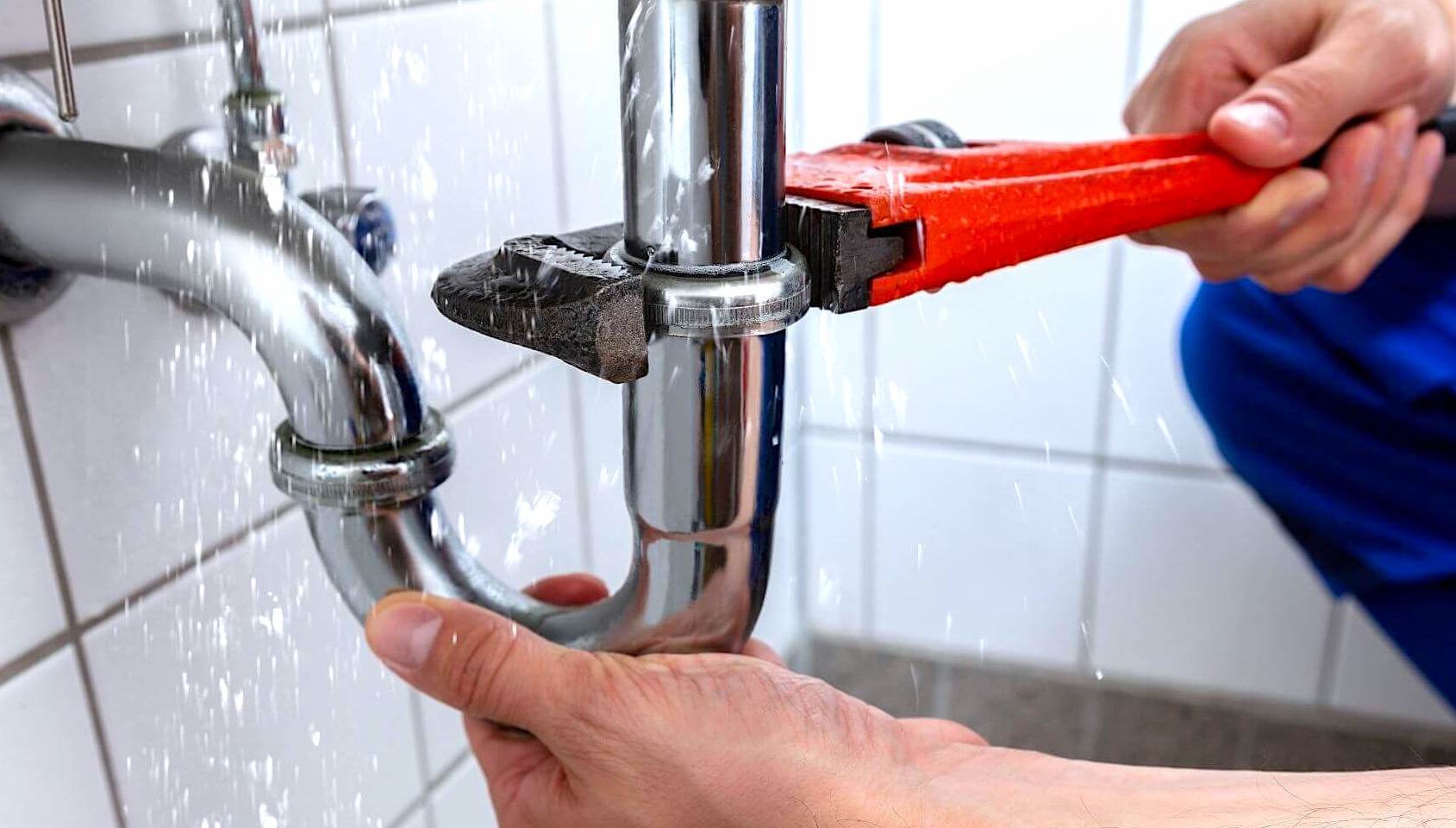
Burst Pipes in the Winter Caused by Lack of Home Heating
Insurers often deny certain burst pipe insurance claims. If your insurer finds your pipes burst because you failed to turn on the heat in your home, then your claim could be denied.
Let’s say you leave town for a winter vacation. You turn off the heat in your home. While away, temperatures plummet, and the pipes burst in your home. Nobody checked on your place, leaving a mess when you return to your property.
In this case, the insurer may determine the loss was preventable (all you needed to do was leave your thermostat on at a low level), then deny your claim.
Many of these situations can get complicated quickly and each insurance policy can be different. If you need help determining coverage for your specific situation and policy, a state licensed Public Insurance Adjuster can help with a free consultation.
[big_contactus]
Flood Damage
No ordinary home insurance plan covers flood damage. Insurers will not cover damage to your home that occurs because of flooding.
If a river, lake, or ocean nearby floods your property, then you might have severe damage. Unfortunately, you cannot make a claim through an ordinary home insurance policy.
The only time flood damage is covered by insurance is if you buy additional flood coverage insurance, which is almost always through the National Flood Insurance Program (NFIP). If you live in a flood-prone region, then consider buying flood insurance through the NFIP. Otherwise, you receive no compensation for damage resulting from a flood.
Mold Damage
Homeowners insurance policies rarely cover mold damage and most specifically list it as an excluded cause of loss.
However, most home insurance policies do cover mold damage if it’s caused as a result of a something that is covered by the policy, such as a pipe that burst. If your pipes suddenly burst and quickly caused mold damage, for example, then you may be covered.
If you ignored a plumbing problem for months, let mold build up behind your walls, and then tried to file a claim, then your insurer may deny your claim.
If you’re concerned about mold and want added protection, consider adding mold protection to your policy.
Sewage Backup
Homeowners insurance usually does not cover a backed up or flooded sewage system without adding specific coverage.
If your region has flooded, then it could cause sewage systems to back up, overloading your home plumbing system. Although this is a serious issue, it’s often not covered by an ordinary home insurance policy.
Most insurers allow you to add sewage backup coverage to your policy for an extra cost. For a few extra dollars per month, you can cover damage related to sewage backups, which can easily cause thousands of dollars of damage to your home.
Questions Insurers Ask When Approving or Denying a Burst Pipe Insurance Claim
Insurance claims for water damage can be messy. Sometimes, damage from old and new leaks can combine, creating a mess for insurers to unravel.
Your insurance company will send an adjuster to your home to assess the damage. The adjuster will analyze the damage, then determine whether to approve or deny your claim.
Some of the common questions an insurer will ask include:
Did the damage occur because of a new leak or an old one?
Where are the pipes located? Where did the damage occur? Where did the damage originate?
Were there any warning signs of a leak – like rust, discoloration, or strange odors?
Was the leak related to maintenance issues or wear and tear?
Was the water damage caused by a flood or sewage backup?
Did the water damage create mold damage?
After answering these questions, the insurer can decide whether to approve or deny your insurance claim. If your claim was denied, see tips here for how to dispute a denied insurance claim.
Signs of a Water Leak in your Home
You may have a water leak in your home. If you have noticed funny smells, discoloration on your walls, and other issues, then a serious plumbing problem could lurk behind your walls.
Some of the signs of a water leak include:
Sagging or Bulging Areas of your Home: If areas of your home are sagging or bulging, then it could be the sign of a serious plumbing problem. If the sagging gets larger, then you could have an active and serious leak in your home.
Discoloration: Plumbing issues could discolor your walls. It could start as a small, yellowish spot on your wall or ceiling, and then turn into a more serious issue. Watch for discoloration and pay attention to any suspicious areas to see if they get larger.
Dripping or Trickling Sounds: If you’re concerned about a leak, turn off all noises in your home (like your furnace, TV, and stereo) and walk around your home listening for dripping or trickling sounds. A faint trickling or dripping sound behind your walls could indicate a leak.
Musty Smell: A musty or mildewy smell could be the sign of a serious plumbing problem. You could have a slow leak behind your walls. Or, you could have a serious mold problem.
So You Have a Leak: The Next Steps to Take
If you have a leak, then don’t panic.
Take steps to prevent further damage. Disconnect the leaking appliance from the water supply, if possible. Or, turn off your home’s water supply entirely. Try to identify the source of the leak.
Protect your personal property. Remove any damaged items from the area. Elevate other items off the ground to avoid further damage.
Let air flow into the room if safe to do so. Run an air conditioner or dehumidifier to dry out the area as much as possible. Use a shop vac or sump pump to remove water.
Consider contacting the professionals. Call a water damage restoration company for professional assistance. Even if you can’t file an insurance claim, a water damage restoration company can help you avoid thousands of dollars of further damage to your property.
If the damage to your property is significant then you might decide to file an insurance claim for water damage. Read the following water damage claim tips.
If you need help dealing with an insurance claim and getting a fair settlement contact a reputable Public Adjuster for assistance.
See Full Article Here: How Homeowners Insurance Covers Plumbing and Burst Pipes
Monday, March 1, 2021
Tuesday, December 29, 2020
Hiring Contractors for Insurance Claims: How an Insurance Claim Contractor Works
Even if the contractor means well, the contractor is unlikely to have the experience needed to competently handle an insurance claim – especially claims involving complicated damage or large payouts. Insurance is regulated at the state level, so the role and level of involvement of contractors for insurance claims that is legally allowed will depend on your state.
Today, we’re explaining the pros and cons of insurance claim contractors, including when to hire a contractor for an insurance claim – and when to hire a public adjuster instead.
Hire Reputable Contractors for Small Insurance Claims
For larger insurance claims, using an insurance claim contractor can be risky.
For smaller claims, however, it may be a good idea to use an insurance claim contractor – assuming the contractor is a good and reputable individual.
Keep in mind that in some states, like Texas for example, it is illegal for a contractor to fully handle an insurance claim on behalf of a policyholder. This is because a conflict of interest can arise when the person in charge of performing the repair work, is also given the authority to negotiate a claim settlement or try to interpret what is covered under a policy. It’s important to be aware of this, even if it is legal in your state.
Unfortunately, many contractors make similar promises about their work, making it difficult to separate reputable contractors from disreputable ones.
All contractors claim to be good, honest, and fair. This makes it hard for homeowners and commercial property owners to distinguish good and bad contractors – especially if you have limited experience with insurance claims or home repairs.
Things to Ask Your Insurance Claim Contractor
How can you separate good and bad insurance claim contractors? Here are some of the things any reputable contractor will be happy to provide before handling your claim:
Written Estimates: All reputable insurance claim contractors will provide detailed, written estimates outlining the exact costs of supplies, labor, and other expenses. If a contractor is unable to provide this information, or if the information seems unusually expensive, then it could be a red flag.
Schedule and Time Frame: Does the contractor have a specific estimated date of completion? Does the contractor have a timeframe for work to be completed? Contractors with vague timeframes may be unable to complete the work in a timely manner. Or, they might hastily do a half-quality repair job, completing your job weeks before any reputable contractor would complete it.
License Number: All licensed contractors are able to provide license numbers proving they are legally able to work in your jurisdiction.
Insurance Information: All reputable contractors will also be able to provide their insurance information, including the amount of liability insurance they carry and the number of their general liability policy. Don’t let any contractor work on your property without insurance.
Experience & Qualifications: Has the contractor handled similar repairs from similar claims in the past? Does the contractor have firsthand experience dealing with these types of property damage issues? The more experience and qualifications the contractor has, the better they will be able to handle the repairs for your insurance claim.
Guaranteed Work or Satisfaction: Not all contractors guarantee their work – even reputable contractors leave wiggle room if something goes wrong. However, all reputable contractors have some type of satisfaction promise or guarantee. Ask the contractor what happens if you’re unsatisfied with the work – or what happens if the repairs fall apart within months of the job.
All reputable contractors provide the information above for free. You should not have to pay to obtain any information.
How Insurance Claim Contractor Scams Work
 Every year, thousands of Americans are victimized by insurance claim contractor scams.
Some of these scams are relatively minor: the contractor overcharges the insurance company for work while performing average-quality repairs to the property.
Other scams are more serious, with insurance claim contractors disappearing with millions of dollars in claim payouts while performing zero repairs.
Most insurance claim contractor scams fall into one of the following examples:
Poor Craftsmanship and Bad Repairs: Some insurance claim contractors promise the highest level of work. They claim to perform repairs to the best possible specifications, restoring your home perfectly to pre-loss condition. In reality, they charge your insurance companies a premium rate while performing lower-quality repairs, then pocket the difference. They might use poor building materials or shoddy craftsmanship, for example.
The Disappearing Contractor: Some contractors take this scam to the next level. They contact policyholders, get policyholders to sign their rights to the contractor, accept the insurance claim payout, and then simply disappear. One unlicensed contractor in Florida recently scammed an elderly man out of $60,000, accepting the insurance money and then never completing repairs.
Warning Signs You’re Dealing with a Bad Insurance Claim Contractor
To avoid being victimized, be aware of the following warning signs of bad insurance claim contractors:
The Contractor Offers to Pay You: If a contractor offers to pay you to handle your insurance claim, it’s a sign you’re dealing with a bad insurance claim contractor. The contractor might claim to charge your insurance company $100,000 for the job, for example, when they can really do it for just $80,000. This is insurance fraud, and it could leave you with low-quality repairs on your home.
The Contractor is Going Door to Door After a Disaster: After major disasters hit a region, insurance contractors from across the country flock to the area to make money. Some contractors are reputable, while others are not. Reputable contractors don’t typically go door to door after a disaster asking to handle your claim. Instead, they let customers reach out to them.
How to Avoid Insurance Claim Contractor Scams
With basic precaution, you can avoid common insurance claim contractor scams.
Read the Fine Print: When you authorize your contractor on your insurance claim, you’re taking an important legal step. It’s crucial to read the fine print on this agreement. Some contractors seem legitimate, then hide malicious terms and conditions in the fine print.
Check References: Take a few minutes to call references provided by the insurance claim contractor. A reputable contractor will be happy to provide multiple references. A lower-quality contractor may be unable to provide any references.
Ask for a Second Opinion: Are you concerned about a contractor’s estimates? Are you worried about the real cost of repairs? Ask for a second opinion. Any contractor can provide a free estimate, making it easy to see exactly how much repairs cost in your area.
Don’t Pay Contractors Upfront: Do not pay a contractor before speaking to your insurance company. If the contractor asks you to pay 50% upfront, for example, politely decline. Insurance companies will typically pay the contractor directly. Or, the insurance company will send a check payable to you and the contractor, and both parties sign off on the check. It’s rare for you to pay the contractor out of pocket unless it’s for temporary or emergency repairs – and even then, you should request an estimate and detailed invoice upfront.
Keep Track of All Receipts, Payments, and Other Information: The days following an insurance claim can be overwhelming. You’re bombarded with information while picking up the pieces of your life. Despite the confusion, it’s crucial to keep track of your receipts, payments, and other information. The better organized you are, the easier your claim will be.
Leave Larger, Costlier Insurance Claims to the Professionals
Contractors are not insurance claim professionals.
Some contractors might have experience dealing with claims, but contractors are not certified experts. They don’t have the skills, expertise, or education to navigate complicated insurance claims.
In some cases that can be okay for smaller claims, where minor errors are unlikely to impact your financial future.
For larger claims, however, a single error could change your life.
One mistake on your fire damage insurance claim could cause your insurer to deny a $100,000 payout, for example. It could literally change your financial future – all because an inexperienced contractor made a simple mistake.
This assumes the contractor is acting in your best interest – which isn’t always the case.
If the contractor acts maliciously, then you might suffer in other ways. Your insurance company might pay $100,000 in home repairs, but your contractor cuts corners and uses poor-quality materials to give you a $25,000 repair job, pocketing the extra $75,000 in profit. You and your insurer paid the same amount for your claim – but your home may fall apart quickly due to the low-quality repair job.
For all of these reasons, most experts do not recommend using an insurance claim contractor for larger or more complicated claims.
Generally, if your home or commercial property insurance claim is more than $10,000, it’s best to hire a Public Adjuster or Insurance Attorney for assistance with any claim disputes, denials or other issues.
Hire a Public Adjuster to Work With Your Contractor for Larger, Costlier Claims
Public adjusters are certified, licensed insurance industry professionals. A good public adjuster has decades of claims experience.
Public adjusters can manage your claim from beginning to end. They negotiate with your insurance company, manage contractors, and ensure your claim gets completed and paid in a timely manner.
[big_contactus]
Public adjusters charge a fee after you accept the insurer’s final settlement. They charge a small percentage of the total claim payout. However, they’re often able to double or even triple insurance claim payouts, to ensure you are fully indemnified for your loss.
ClaimsMate’s public adjusters have firsthand experience with fire damage insurance claims, water damage insurance claims, flooding, mold, and all other types of claims. Contact us for a free assessment – don’t risk your financial future on an unproven insurance claim contractor.
Original Post Here: Hiring Contractors for Insurance Claims: How an Insurance Claim Contractor Works
Wednesday, December 23, 2020
How To Speed Up An Insurance Claim For Property Damage
In other cases, the insurance company is not acting maliciously, but the claim is so complicated that it takes months to process.
Whatever the situation may be, it’s important to understand how to speed up an insurance claim.
By speeding up an insurance claim, you get money in your bank account sooner – at a time when you need it most.
We’re sharing some of the tips, tricks, and strategies anyone can use to speed up a homeowners insurance claim.
Before a Claim: How to Proactively Speed Up an Insurance Claim
Some of the best opportunities to speed up an insurance claim occur before a disaster.
By creating an inventory and keeping separate copies of important documents, for example, you can drastically speed up an insurance claim.
Even if you’re in the middle of a claim, the tips below can help avoid headaches for your next claim.
Take a Regular Inventory of your Home and Possessions
If you’re in the middle of a claim, then it’s too late for this tip. However, maintaining a good home inventory can speed up an insurance claim.
If you are currently dealing with a home or commercial insurance claim that involves lost or damaged personal property, then getting your inventory of damaged items and proof of loss forms thoroughly and accurately completed will help expedite the claim process.
Many people keep an inventory of all of their possessions in their home. You might have a binder, notebook, or spreadsheet listing your possessions, their approximate value, and any accompanying receipts or photographs.
This is less important for low-value items – like cutlery or a shampoo bottle. However, it’s important for higher-end items, including televisions, jewelry, and other valuables.
Many insurance companies require additional documentation when replacing high-value items – say, anything worth more than $500. If you have a home inventory, you can quickly provide your insurance company with the proof they need to reimburse you.
Set aside one day every 6 or 12 months to refresh your home’s inventory. A good, accurate, well-maintained home inventory could speed up your claim by months.
Keep Copies of All Important Documentation
In a house fire or other serious disaster, you might lose everything. Replacing important documentation is difficult and time-consuming. However, it’s much less difficult and time-consuming if you have copies of all important documents.
Consider making copies of the following documents:
- Mortgage information
- Land titles
- Insurance forms
- Birth certificates, passports, and similar documents
Make copies of all your important documents today. Keep these copies in a folder and leave them in a secure location – like a fireproof and waterproof safe, a safety deposit box, or the home of a trusted friend or relative.
Or, pack these copies in an emergency kit with other important items, making them easy to grab before disaster strikes.
In a major disaster, you might lose the original versions of these documents. If you have copies, it speeds up your entire recovery process – including your insurance claim.
During the Claim: How to Get an Insurance Settlement More Quickly
There are steps you can take during the claim to speed up the claims process.
Take Photos and Videos of the Damage ASAP
After a major insurance claim, your insurer requires evidence of the damage. Take photos and videos of the damage as soon as possible.
Remember: the restoration company will start to restore and repair the damage. If you don’t take photos or videos of the damage today, then you might miss your opportunity.
You might claim your $1,500 TV through your insurance, for example, only to find you have no evidence of the damaged TV. The TV has already been removed from your property by the restoration crew.
Once it’s safe to do so, take photos and videos of the damage around your property. The more evidence you have, the smoother and faster your claim will be.
Take Steps to Limit Further Damage
Homeowners insurance and commercial property insurance policies cover unexpected events – like a house fire. Your insurance policy does not, however, cover damage that occurs after a covered event that could have been avoided – like rain damage that occurs for weeks after a fire previously tore a hole in your roof.
That’s why it’s crucial to limit further damage to your property after a disaster. Take steps to mitigate further damage. Put up tarps to cover holes in your roof. Remove damaged items if needed to prevent further damage. Contact a 24/7 emergency restoration crew as soon as possible.
Be Present When the Adjuster Inspects the Damage
Your insurance company should send its adjuster to your home to inspect the damage. This is a normal part of the claim process. The adjuster inspects the damage, determines coverage, and analyzes the scene.
It’s important to be there when the adjuster arrives. When you’re on scene, you can explain exactly what happened to the adjuster. You can answer questions, solve ambiguities, and identify exactly what was damaged.
Your insurance company’s adjuster plays a crucial role in the claims process. You will interact with the adjuster regularly. If you’re present from the first moment your adjuster arrives, you start the relationship on the right foot. If you haven’t already met with the insurance adjuster for a property inspection, then be sure to read these tips as well.
Keep the Receipts
Your homeowners insurance policy covers additional living expenses (ALE). These expenses include hotel accommodations, meal expenses, personal hygiene items, and other costs you incur after moving out of your home.
Your claim will go more quickly if you have receipts for all of these expenses. Your insurance company will ask how much you spent after moving out of your home. If you can provide specific receipts instead of vague numbers, then your insurance company is more likely to approve your claim – and not request further evidence to slow down your claim.
Receipts to track after a loss include:
- Hotel accommodations, including the cost of staying with any friends and family
- Emergency restoration costs
- Any supplies and materials used to control the scene after damage
- Rental car costs
- Meals and food receipts
- Personal hygiene expenses and all other additional living costs you would not normally incur if your house was in livable condition
After the Initial Damage: Be Proactive to Speed Up Your Insurance Claim
As your insurance claim proceeds, you can take further steps to speed up your insurance claim.
Review your Policy
Most homeowners have insurance, but many homeowners don’t understand exactly what’s covered. You might pay thousands per year for home insurance – only to realize it doesn’t cover flooding and other significant issues.
Review your policy. It makes all other aspects of your claim easier. If you don’t know your policy, then you’re negotiating from a position of weakness. Homeowners take advantage of this weakness to pay you less for your insurance claim – or drag your claim out.
Keep Records of All Conversations with your Insurance Company
Insurance claims can be worth hundreds of thousands of dollars. It’s crucial to keep records of all conversations with your insurance company to avoid any misunderstandings.
Every time you talk to your adjuster or anyone else from your insurance company, make notes about the conversation.
Your notes should include:
- Topics covered during the conversation
- Specific claims or promises made during the conversation
- The name of the employee or adjuster
- The date and time of the conversation
Ideally, your claim proceeds smoothly and your insurance company abides by its promises. In many cases, however, your records of these conversations become important.
Keep track of all phone conversations, emails, text messages, voicemails, and other communications between you and your insurance company. It’s an easy way to speed up the insurance claim by creating a physical record of the claim process.
Submit your Proof of Loss
Your insurance company requires you to submit a “Proof of Loss” document to back up your claim.
This is a crucial document. It outlines important details of your claim. You need to complete this document and return it in a timely manner.
The sooner you complete the Proof of Loss form accurately, the faster your insurance company can process your claim.
Note: Some insurance companies try to trick policyholders with Proof of Loss forms. Your insurer might ask you to submit your ‘proof of loss’, for example. You submit receipts, invoices, estimates for repairs, evidence of damage, and other expenses. Then, your insurer denies your claim because you did not submit the specific Proof of Loss form. Be wary of this trick.
Obtain a Second Opinion from a Trusted Contractor
Your insurance company might recommend a specific contractor or restoration company.
Ideally, this contractor is honest, offering competitive service compared to other contractors in your area.
Unfortunately, that’s not always the case. Sometimes, the contractor recommended by your insurer underreports the damage to limit the claim. Or, the contractor might use poor-quality materials to lower the cost of repairing the damage.
Get a second opinion. Contact home-builders or contractors in your area.
You don’t have to use your insurance company’s recommended contractor. You can use any contractor you like.
If there’s a dispute about the value of the claim, it helps to have a second opinion. Your insurance company might claim it only costs $25,000 to repair your roof, for example, when it really costs $45,000 based on the actual repair costs in your area. Without a second opinion, you might receive $25,000 for your claim – and then pay $45,000 for your new roof.
Understand your Legal Rights
All states have insurance laws that govern how insurers respond. Your state has laws requiring insurance companies to respond to claims within a certain length of time, for example.
Check your state insurance commissioner’s website for information about insurance claim laws. If you feel your insurer has treated you unfairly, then review your state’s Unfair Claim Practices act, which outlines when insurance companies are acting in bad faith.
Respond Promptly to Your Insurance Company
All states require insurance companies to respond to your claim within a reasonable length of time. Some states have specific lengths during which the insurer must address the claim – say, 15 to 45 days.
These rules also apply to policyholders. As the policyholder, you need to respond to your insurance company within a reasonable length of time.
If your insurance company asks for documentation, then you should provide that documentation as soon as possible.
If the insurance company is demanding excessive documentation, or if the insurance company is dragging its feet while expecting fast responses from you, then this is a separate issue, and your insurer could be acting in bad faith.
Contact your Insurance Company Repeatedly to Avoid Wasting Time
If your insurance company is taking too long to respond, then be diligent.
Continue contacting your insurance company. Reach out to your insurance company regularly. Check the status of your claim. Ask if they need additional documentation. Find out why your claim is taking too long.
Some insurance companies are slower than others. Some insurance companies are understaffed. Others are overwhelmed by an excessive number of claims – say, after a natural disaster in your local area.
By contacting your insurance company, you ensure the squeaky wheel gets the grease. You show your insurance company you’re proactive about your claim – and you’re not going to wait too long for a response.
After Claim Disputes: How to Fight Back and Get a Faster Settlement
All of the tips above apply to normal insurance claims. By providing your insurance company with documentation and maintaining good communication, you can speed up 90% of insurance claims.
Unfortunately, not all insurance claims go smoothly. Some insurance companies act in bad faith. Other insurance companies deliberately drag their feet or offer an insultingly low settlement.
In this case, you might need to take further action. Here are steps to take to speed up your insurance claim after a claim dispute.
Deny, Negotiate, and Fight Back
Many homeowners are unaware they can deny their insurer’s payout. If you are unhappy with your insurance company’s offer, then you can deny, negotiate, and fight back.
Deny your insurance company’s initial offer. Fight back by providing additional documentation. Negotiate with your insurance company until you receive an acceptable payout.
Hire Professional Assistance
Every year, insurance companies victimize thousands of property owners across the United States.
Many insurance companies take advantage of naïve policyholders. Most property owners only have one or two significant claims in their life. You might not understand how claims work or what to expect. Insurance companies may take advantage of your inexperience.
If your insurance company is:
- Pushing you around
- Denying or reducing your claim without just cause
- Dragging its feet or taking too long
Then consider hiring professional assistance in the form of a public adjuster or an insurance attorney.
ClaimsMate’s public adjusters offer free consultations. We’ll review your claim, then explain how we could help speed up your insurance claim.
Originally Published Here: How To Speed Up An Insurance Claim For Property Damage
Subscribe to:
Posts (Atom)